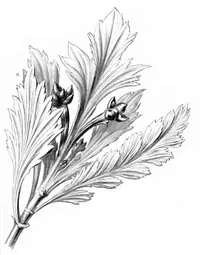
Subalpine Larch Care (Larix lyallii)

Also known as: Alpine Larch, mountain larch, timberline larch, wooly larch
Subalpine Larch

About Subalpine Larch

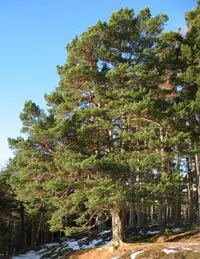
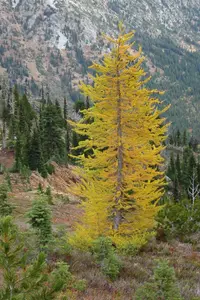
Subalpine larch, Larix lyallii, is a cold-hardy, deciduous conifer native to high mountains of western North America. It forms an upright, open-branched tree with soft, short needles that turn golden before dropping in fall.

In the wild it grows slowly in harsh, exposed sites with long winters and cool summers. This slow growth and need for cold dormancy make it challenging outside suitable climates or small gardens.

It prefers full sun, cool temperatures, and well-drained, slightly acidic soil, and does not tolerate heat or soil compaction well. Gardeners who learn how to care for Subalpine Larch usually succeed only in cooler regions or higher elevations.

Main Plant Requirements

Care Difficulty

Hard Care

Light Preference

Full Sun

Water Requirements

Moderate Water

Temperature Preference

Cold Hardy

Hardiness Zone

2–5

Soil Texture

Loamy, Sandy, Rocky

Soil pH

Strongly acidic (4.5–5.5), Acidic (5.5–6.5)

Soil Drainage

Well-drained

Fertilization

Minimal (feed rarely)

Get Personalized Care Plan

Scan your plant to receive care tips personalized for your specific plant

Available on iOS and Android

How to Care for the Subalpine Larch

This high-mountain conifer needs strong light and open exposure to grow compact and healthy.

  • Provide full sun for 6–10 hours per day; Subalpine Larch develops denser foliage and better fall color in unobstructed light.
  • Accepts light partial shade, especially in hot, lowland sites, but too much shade leads to sparse, open branches and weak new growth.
  • In cooler climates, full exposure including afternoon sun is ideal; in hotter areas, protect from intense late-afternoon sun to reduce needle scorch and stress.

This species prefers cool, moist, but fast-draining soil rather than constant saturation.

  • In the ground, water deeply when the top 5–8 cm of soil feels dry; aim for thorough soaking, then allow excess to drain fully.
  • During spring and early summer growth, increase watering frequency, reducing once needles harden and especially after leaf drop in autumn.
  • Watch for yellowing, dropping needles and dry, dusty soil as signs of underwatering, and for limp shoots, persistent surface wetness, or algae as signs of overwatering for Larix lyallii.

This cold-adapted conifer thrives in cool climates and tolerates very low winter temperatures.

  • Optimal growing temperatures are about 50–70°F (10–21°C) during the active season, with cool nights that mimic mountain conditions.
  • Fully hardy to at least -40°F (-40°C), it tolerates repeated frosts and benefits from a pronounced winter chill period while dormant.
  • Heat tolerance is limited; prolonged periods above 85°F (29°C) can stress trees, so provide mulch, good soil moisture, and some shelter from hot, reflective sites in lowland areas.

This high-elevation conifer tolerates a wide humidity range and rarely needs special humidity management.

Larix lyallii prefers cool, moist but sharply drained mineral soil that mimics subalpine slopes.

  • Use a gritty loam or sandy loam with 20–30% coarse sand or fine gravel to keep structure open.
  • Aim for slightly acidic to neutral pH around 5.5–7.0 to support balanced nutrient availability.
  • Incorporate modest organic matter such as leaf mold or composted bark, avoiding heavy peat that stays wet.
  • Avoid compacted, clayey, or waterlogged substrates; raise the planting site or use berms to improve drainage and aeration.

This species can be grown in containers only short-term, mainly as a young specimen or bonsai.

  • Choose a deep, heavy container that resists tipping and allows the strong taproot to extend downward somewhat.
  • Use a very free-draining mix such as 50–60% mineral grit or pumice to prevent chronic moisture around the roots.
  • Position the pot where wind exposure is reduced, since the tall, flexible crown can act as a sail and stress roots in light containers.

This high-elevation conifer grows well in poor soils and usually needs only minimal feeding in cultivation.

  • Apply a light dressing of compost or well-rotted manure around the root zone in early spring before new growth starts.
  • In very lean soils, use a balanced slow-release fertilizer (around 10-10-10) at half strength once in spring.
  • Avoid summer and fall feeding so new growth hardens before winter, especially in cold climates.
  • Do not fertilize during winter dormancy; excess nutrients can stress Subalpine Larch and reduce cold tolerance.

Larix lyallii needs only light structural pruning to stay healthy and stable.

  • Carry out pruning in late winter to very early spring while the tree is still dormant.
  • Remove dead, diseased, or storm-damaged branches back to healthy wood using clean, sharp bypass pruners or a pruning saw.
  • Thin congested interior branches sparingly to improve airflow and maintain a single strong leader.
  • Limit cuts to small branches; heavy pruning can distort the natural form and slow growth.

This species is usually grown in the ground, so focus on careful transplanting rather than frequent repotting.

  • Transplant young trees in early spring or early fall when soil is moist and temperatures are mild.
  • Look for roots circling the container, poor drainage, or slowed growth as signs a nursery plant needs a larger site or pot.
  • Handle the root ball gently; loosen only lightly and keep as much native soil attached as possible to reduce shock.
  • Water deeply after planting, then keep soil evenly moist but not waterlogged until new growth confirms establishment.

Larix lyallii is mainly propagated from seed, and success depends on cool, moist conditions.

  • Collect ripe cones in late summer to early fall and extract seeds once scales open.
  • Provide cold stratification by storing seeds in moist sand at 34–41°F for 6–8 weeks to break dormancy.
  • Sow in spring into a well-drained, slightly acidic mix, just covering the seeds, and keep evenly moist.
  • Grow seedlings in bright light with good air movement, protecting them from intense heat and drought during the first seasons.

This cold-hardy deciduous conifer tolerates severe winter conditions and generally requires little special care.

  • In exposed sites, apply a 5–8 cm layer of mulch around the root zone, keeping it slightly away from the trunk.
  • Young or container-grown trees benefit from shelter from drying winter winds to limit needle and bud desiccation.
  • Move containers to an unheated but frost-free or slightly sheltered spot to prevent rootball freezing and thawing cycles.

Care Tips

Wind-hardy training

In the first 3–5 years, avoid staking unless absolutely necessary so the young tree flexes in the wind and develops a thicker, more stable trunk for exposed, high-elevation-style sites.

Snow load management

In heavy-snow climates, gently knock off wet, accumulating snow from branches during thaws to reduce bending and breakage of the flexible but brittle wood.

Root zone protection

Maintain a 5–10 cm deep ring of coarse, woody mulch outside but not touching the trunk to buffer soil temperature and moisture while encouraging deep, stable rooting.

Site-specific drainage checks

After major storms, inspect the planting area for standing water and, if puddling persists beyond 24 hours, improve drainage with shallow surface swales or by slightly raising the root zone with additional mineral soil.

Long-term form selection

During early structural pruning, favor a single strong leader and remove only clearly crossing or rubbing branches so the tree matures with a stable, narrow crown suited to growing Subalpine Larch in windy climates.

Common Pests and Diseases

Larch needle cast

This disease causes needles to yellow from the tip backward, then shed prematurely, often starting on lower branches in cool, wet seasons. Symptoms include thin, open foliage and small dark fruiting bodies visible on fallen or attached needles.

Solution

Prune out and dispose of heavily affected lower branches and rake up fallen needles to reduce fungal spores. Improve air flow around trees, avoid overhead irrigation, and, where valuable specimens are repeatedly affected, apply a registered copper or chlorothalonil-based fungicide in spring just before bud break and again as new needles expand, following local label directions.

Larch needle blight

This disease leads to browning and death of current-season needles, often in scattered tufts along the shoot, and can progress to twig dieback in prolonged wet weather. Symptoms include sharply demarcated brown patches and retained dead needles that give a scorched look.

Solution

Remove and destroy blighted twigs and any dead brush near the tree to limit inoculum. In high-risk, wet sites, protect new growth on prized trees with a fungicide labeled for larch needle blights at bud break and repeat based on product guidance, while also thinning nearby vegetation to promote quicker drying of foliage.

Larch bark beetles

These insects tunnel under the bark of weakened or stressed trees, disrupting water flow and causing branch dieback or whole-tree decline. Symptoms include fine reddish boring dust at the base or in bark crevices and small round exit holes on trunks and larger branches.

Solution

Keep trees vigorous through proper siting, minimal soil disturbance, and drought avoidance, since healthy Larix lyallii are less attractive to beetles. Promptly remove and destroy badly infested or recently dead larches, and in outbreak areas consider preventive trunk sprays with an appropriate bark beetle insecticide applied by a certified professional before beetle flight periods.

Larch adelgids

These insects feed on needles and young shoots, producing white cottony clusters along branches and causing distorted, stunted growth. Symptoms include sparse foliage, twisted shoots, and honeydew that can lead to sooty mold on nearby surfaces.

Solution

Prune out and discard heavily infested twigs during dormancy and encourage natural predators by avoiding broad-spectrum insecticides. On small or ornamental trees, wash colonies off with a strong water spray, and if needed use a horticultural oil or insecticidal soap in early spring before or just as buds open, ensuring thorough coverage of twigs and branch crotches.

Cytospora canker

This disease infects stressed branches and stems, causing sunken dead patches of bark, resin bleeding, and progressive dieback from the tip inward. Symptoms include scattered dead branches, rough canker margins, and orange to black fruiting bodies on killed bark.

Solution

Prune out infected branches back to healthy wood during dry weather, disinfecting tools between cuts, and dispose of removed material away from larch stands. Reduce stress by avoiding mechanical trunk injury, soil compaction, and drought stress, and prioritize planting Larix lyallii in sites that match its cool, well-drained habitat to lower disease pressure as part of broader Larix lyallii plant care.

Interesting Facts

High-elevation specialist

This species is native almost exclusively to subalpine and treeline zones of the northern Rocky Mountains and interior ranges of British Columbia, typically growing close to the climatic limit where trees can survive.

Remarkable cold hardiness

Mature trees tolerate very long, cold winters with deep snowpack and short growing seasons, an adaptation that allows them to dominate exposed ridges and upper slopes where many other conifers cannot persist.

Deciduous conifer needles

Unlike most conifers, it sheds its soft, bluish-green needles each autumn after they turn a clear golden-yellow, then spends winter leafless before producing new needle clusters in spring.

Botan icon

Did you know?

This tree often forms krummholz, a stunted, wind-sculpted growth form near timberline, with trunks and branches bent or creeping close to the ground as a long-term adaptation to extreme wind, ice loading, and snow abrasion.

FAQs about Subalpine Larch

This species is deciduous, so the needles naturally turn golden-yellow and drop in fall. Uniform yellowing on most branches at season’s end is normal, not a problem, and is part of its annual cycle.

Grow Healthy Plants with Botan Care

Keep your plants happy and healthy with plant identification, disease detection, and easy care guidance.


Botan plant care app — identify plants on mobile

Explore More Plants