Wind-firm training
In the first 3–4 years, lightly stake young trees and gradually loosen ties each season so the trunk flexes in wind and develops stronger taper and root anchorage.

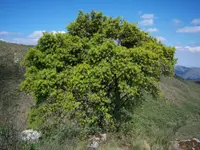
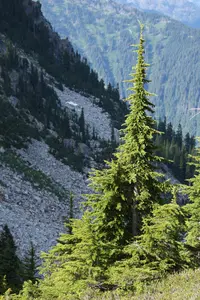
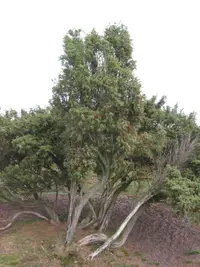
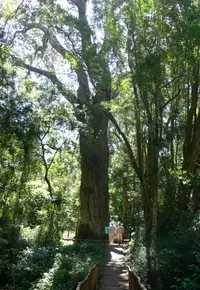
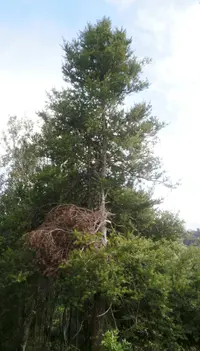
Pino blanco, Podocarpus parlatorei, is an evergreen conifer native to montane forests of Argentina and Bolivia. It forms a medium to large tree with a narrow, upright crown and dense, fine-textured foliage.
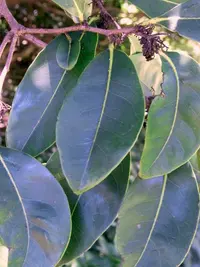
The leaves are long, narrow, and leathery, giving the canopy a soft, feathery look rather than the harsh needles of many conifers. Bark is typically gray-brown and becomes furrowed with age.
In cultivation, it grows at a moderate pace and stays relatively tidy, which suits streets, large gardens, and parks. It prefers mild climates, steady moisture, and well-drained soil.
These traits make it manageable for growers with some conifer experience, but less ideal for very dry or extremely cold sites, so it helps to learn how to care for Pino Blanco before planting.

Care Difficulty
Moderate Care

Light Preference
Full Sun

Water Requirements
Moderate Water

Temperature Preference
Cool Climate

Hardiness Zone
8–10

Soil Texture
Sandy, Loamy, Organic-rich

Soil pH
Acidic (5.5–6.5), Slightly acidic (6.5–7.0)

Soil Drainage
Well-drained

Fertilization
Minimal (feed rarely)
Scan your plant to receive care tips personalized for your specific plant
Available on iOS and Android
This highland conifer prefers bright, cool sun conditions with protection from the harshest afternoon rays.
This species prefers consistently moist, well-drained soil and does not tolerate long periods of saturation.
This Andean conifer grows best in mild, cool-temperate conditions with limited temperature extremes.
This species tolerates a wide humidity range but benefits from moderately moist air indoors.
Podocarpus parlatorei grows best in well-aerated, free-draining, slightly acidic to neutral soil.
This species is suitable for container growing outdoors where space or soil conditions are limited.
This Andean conifer benefits from light feeding but can adapt to lean soils, especially mature trees growing in the ground.
Podocarpus parlatorei responds well to thoughtful pruning that maintains structure and health without stressing the tree.
This species is most often grown in the ground, with transplanting done carefully to protect its root system.
Reproduction of this podocarp is typically done from semi-hardwood cuttings or seeds under controlled conditions.
This high-elevation species has good cold tolerance but may need some winter attention in harsher or exposed sites.

Plant Health Check
Not sure what's wrong with your plant? Check your plant's health inside the app.
This conifer occurs naturally only in a restricted band of the southern Andes of Bolivia and northwestern Argentina, where it forms humid montane forests between roughly 1,000–2,400 m elevation.
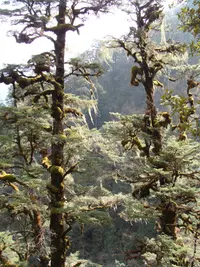
In its native range, this species often grows in cloud forests where frequent fog and low clouds supply much of its moisture through leaf surface condensation, not only through soil rainfall.
It can form a significant part of the upper canopy in yungas forests, providing long-lived structure that supports epiphytes, birds, and other wildlife, and helping stabilize steep mountain slopes.

This species is currently the only native podocarp naturally occurring in Argentina, making it biogeographically important for understanding the past connections between South American and ancient Gondwanan conifer floras.
This conifer is evergreen, keeping foliage year-round rather than dropping leaves seasonally. Individual needles live for several years, then are gradually replaced, so the plant maintains a constant green canopy in suitable conditions.
Keep your plants happy and healthy with plant identification, disease detection, and easy care guidance.