Wind-hardening young plants
For the first 2–3 years, expose young plants to increasing levels of wind rather than sheltering them completely, as gentle, regular movement strengthens stems and root anchorage and reduces the risk of wind-throw later.

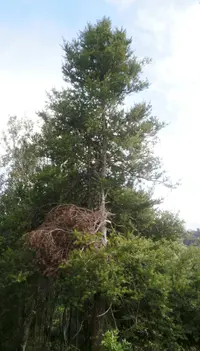
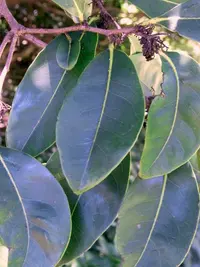
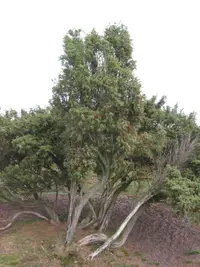
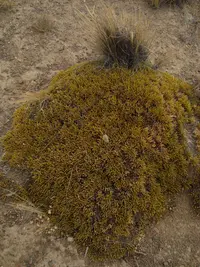
Hall's totara, Podocarpus laetus, is an evergreen conifer from New Zealand, usually forming a dense shrub or small to medium tree. It has fine, narrow leaves and a tidy, upright habit that suits naturalistic gardens and shelter plantings.
In the wild it grows in cool, moist forests and mountain valleys, often on well-drained but fertile soils. It is generally slow-growing and long-lived, which makes it stable in managed landscapes but not ideal for those wanting fast results.
This species prefers steady moisture, good drainage, and light ranging from bright dappled shade to full sun in cooler climates. Once the site is suitable, it is relatively low-maintenance and straightforward to care for Hall's totara.

Care Difficulty
Moderate Care

Light Preference
Full Sun

Water Requirements
Moderate Water

Temperature Preference
Cool Climate

Hardiness Zone
7–9

Soil Texture
Sandy, Loamy, Organic-rich

Soil pH
Acidic (5.5–6.5), Slightly acidic (6.5–7.0)

Soil Drainage
Moist but well-drained

Fertilization
Minimal (feed rarely)
Scan your plant to receive care tips personalized for your specific plant
Available on iOS and Android
Podocarpus laetus prefers cool, bright conditions with protection from harsh midday sun.
Podocarpus laetus benefits from consistent but moderate soil moisture rather than extremes.
This species prefers cool to mild conditions and shows good hardiness once established.
This species tolerates a wide humidity range and rarely needs special humidity management indoors or outdoors.
Podocarpus laetus prefers aerated, free-draining mineral soils that do not stay waterlogged.
This species can grow successfully in containers, especially in its early years or where garden space is limited.
Podocarpus laetus grows slowly and needs only light, thoughtful feeding in cultivation.
Podocarpus laetus responds well to light, planned pruning to maintain structure and density.
This species is usually grown in the ground, so focus on careful transplanting rather than frequent repotting.
New plants are usually raised from semi-ripe cuttings or seeds under controlled conditions rather than casually at home.
This tree is fairly cold hardy in many temperate regions and usually needs only modest winter care once established.

Plant Health Check
Not sure what's wrong with your plant? Check your plant's health inside the app.
This species is naturally concentrated in the montane and subalpine forests of New Zealand’s South Island, especially along the Southern Alps, where it can form a significant component of cool, high‑rainfall forests.
Mature trees develop pale, flaky bark that peels in irregular patches, a useful field character that helps distinguish it from other New Zealand podocarps with darker, more fibrous bark.
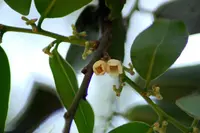
Instead of typical cones, this conifer produces fleshy, berry‑like structures with a swollen, often colored receptacle that attracts birds, which then disperse the seeds through their droppings.

This species has had a complex taxonomic history and for many years was treated as the same species as the Australian Podocarpus lawrencei, but detailed morphological and distributional studies led botanists to recognize it as a distinct New Zealand endemic.
Growth is generally slow to moderate. In good conditions, it may add 15–30 cm of height per year when young, then slow further with age. Cooler temperatures, wind exposure, and poor soil all reduce growth speed.
Keep your plants happy and healthy with plant identification, disease detection, and easy care guidance.