Wind exposure shaping
Site plants where they receive consistent light wind so shoots develop dense, low growth, and in very exposed locations use temporary windbreak mesh for the first 1–2 years to prevent wind rock that can loosen new roots.

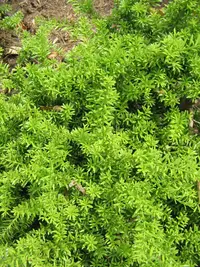
Snow totara, Podocarpus nivalis, is a compact, slow-growing conifer native to alpine and subalpine regions of New Zealand. It naturally forms low, dense mounds or cushions that hug the ground. Its small, scale-like leaves and tight branching give it a neat, architectural look that suits rock gardens, containers, and small landscapes. Growth is generally slow but long-lived, which makes planning important when deciding how to care for Snow Totara. This species prefers cool conditions, consistent but not waterlogged moisture, and well-drained, slightly acidic soil, along with good light but protection from extreme heat.

Care Difficulty
Moderate Care

Light Preference
Full Sun

Water Requirements
Moderate Water

Temperature Preference
Cold Hardy

Hardiness Zone
6–8

Soil Texture
Sandy, Loamy, Rocky

Soil pH
Acidic (5.5–6.5), Slightly acidic (6.5–7.0)

Soil Drainage
Well-drained

Fertilization
Minimal (feed rarely)
Scan your plant to receive care tips personalized for your specific plant
Available on iOS and Android
This alpine conifer prefers cool, bright conditions with protection from harsh midday sun.
This shrub likes steady moisture but does not tolerate waterlogged soil.
This species is adapted to cool climates and handles significant cold once established.
This species generally tolerates 30–50% indoor humidity without special measures.
Podocarpus nivalis prefers sharply drained, slightly acidic to neutral soil with a loose, gritty structure.
This compact shrub is well suited to container growing outdoors on patios, balconies, or terraces.
Podocarpus nivalis grows slowly and needs only modest feeding in containers or poor soils.
Podocarpus nivalis responds well to light, deliberate pruning that maintains its natural mounded form.
This compact shrub is usually grown in the ground, so focus on careful transplanting or infrequent repotting of container plants.
Podocarpus nivalis is most often propagated from semi-hardwood cuttings rather than seed for consistent growth habit.
This alpine shrub is quite cold hardy, so outdoor plants in suitable climates usually need only minimal winter attention.

Plant Health Check
Not sure what's wrong with your plant? Check your plant's health inside the app.
This species often grows as a low, spreading shrub that hugs the ground, an adaptation that helps it avoid strong alpine winds and reduces heat loss near the soil surface.
Its small, tough, scale-like leaves are adapted to withstand frequent snow cover and cold temperatures in its native New Zealand mountain habitats.
In the wild, it typically anchors itself in rocky crevices and thin, free-draining soils on exposed slopes, which helps explain its tolerance to poor, stony garden soils when growing Snow Totara.

This species is one of the most cold-hardy members of the predominantly warm-temperate Podocarpus genus, naturally occurring at higher elevations in New Zealand where it can persist in areas with prolonged snow cover and frequent freezing conditions.
This species is naturally low and spreading, usually staying under 60 cm tall but forming wider cushions or mats. In gardens it is valued as a compact, ground-hugging shrub rather than a tall screen or tree.
Keep your plants happy and healthy with plant identification, disease detection, and easy care guidance.