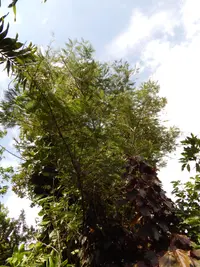
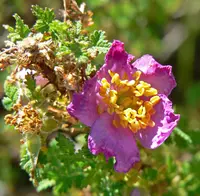
gold-dust acacia Care (Acacia acinacea)

Also known as: Round-leaf Wattle, Gold-dust Wattle
gold-dust acacia

About gold-dust acacia

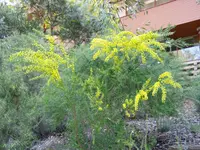
Gold-dust acacia (Acacia acinacea) is a compact evergreen shrub from Australia, valued for its fine foliage and bright yellow pompom flowers. It typically forms a dense, rounded shape that suits mixed borders, native gardens, and informal hedging.

The foliage is small and soft, often with a fresh green color that sets off the abundant spring bloom. In its natural habitat, it grows in open woodland and scrub on well-drained soils.

This species is generally easy to grow in mild climates when given good light, drainage, and low to moderate watering. Understanding how to care for gold-dust acacia mainly involves providing sun, avoiding waterlogged soil, and protecting it from hard frost.

Main Plant Requirements

Care Difficulty

Moderate Care

Light Preference

Full Sun

Water Requirements

Low Water

Temperature Preference

Warm Climate

Hardiness Zone

9–11

Soil Texture

Sandy, Loamy, Rocky

Soil pH

Acidic (5.5–6.5), Slightly acidic (6.5–7.0)

Soil Drainage

Well-drained

Fertilization

Minimal (feed rarely)

Get Personalized Care Plan

Scan your plant to receive care tips personalized for your specific plant

Available on iOS and Android

How to Care for the gold-dust acacia

This shrub thrives in bright conditions with several hours of direct sun each day.

  • Provide 4–6 hours of direct sun daily, ideally with morning sun and light afternoon shade, especially in hotter inland climates.
  • It tolerates light or dappled shade for part of the day, but dense shade leads to sparse growth, fewer flowers, and stretched, weak stems.
  • In very hot summers, protect gold-dust acacia from intense late-afternoon sun to reduce leaf scorch and moisture stress, especially in young plants.

This species prefers infrequent, deep watering once established, with time to dry between soakings.

  • Allow the top 5–8 cm of soil to dry before watering; in well-drained ground this often means waiting until foliage just begins to lose its crisp look in dry spells.
  • Use freely draining, sandy or loamy soil so water does not pool around the roots, which otherwise can lead to yellowing foliage and root rot.
  • In the first growing season, water thoroughly when the soil has mostly dried; reduce frequency in cool or rainy seasons as Acacia acinacea is drought tolerant once established.

This plant favors mild, Mediterranean-type climates with warm summers and frost-free or only light-frost winters.

  • Optimal growth occurs around 65–80°F (18–27°C), with good flowering and dense foliage when temperatures stay in this range for much of the growing season.
  • Mature plants typically tolerate brief drops to about 25°F (−4°C), but repeated hard frosts below this can damage young shoots and flower buds.
  • In hot weather above 90°F (32°C), growth may slow; provide mulch to keep roots cooler and avoid planting in heat-reflective sites close to walls or paving.

This species handles a wide humidity range and usually does not need special humidity management indoors.

  • Aim for 30–60% relative humidity, similar to typical heated or air-conditioned homes.
  • It tolerates dry air well, but prolonged humidity below 25% may cause crisp leaf tips and slower growth.
  • If air is very dry, place the pot on a pebble tray with water below the base to slightly raise humidity around gold-dust acacia.

Acacia acinacea prefers free-draining, slightly sandy soil that prevents waterlogging.

  • Use a mix such as 50–60% sandy loam or general potting mix with 40–50% coarse sand or fine gravel for sharp drainage.
  • Maintain a slightly acidic to neutral pH of about 6.0–7.0, avoiding strongly alkaline or saline conditions that limit nutrient uptake.
  • Incorporate a modest amount of well-aged compost, but avoid heavy, peat-rich blends that hold water around the roots for long periods.
  • Break up compacted ground or mix in coarse materials to improve aeration, preventing root rot in poorly drained sites.

This species can adapt well to container growing when the pot is chosen to support its root system and branching habit.

  • Select a pot at least 30–40 cm wide to allow lateral root spread and reduce rapid drying of the mix on hot days.
  • Choose a heavy, stable container or add weight to the base so the shrub does not tip as its canopy becomes denser and wind-exposed.
  • Use a tall pot with a deep drainage layer of coarse grit or scoria to keep lower roots above any brief water accumulation.

This native shrub needs modest feeding, so focus on light, infrequent applications rather than heavy fertilizer use when caring for gold-dust acacia.

  • Use a low-phosphorus, balanced slow-release fertilizer or well-rotted compost, as many Acacia species dislike high phosphorus levels.
  • Feed lightly once in early spring and again in midsummer during active growth if soil is poor; skip feeding on fertile sites.
  • Apply at 1/2 strength of the product’s recommended rate to avoid lush, weak growth and salt buildup around the roots.
  • Stop fertilizing in late summer so new growth hardens before winter and the plant can enter dormancy naturally.

Acacia acinacea responds well to light, timely pruning that maintains shape and flowering wood.

  • Carry out main pruning in late winter to early spring after the coldest weather has passed but before vigorous new growth starts.
  • Remove dead, damaged, crossing, or inward-growing stems to open the canopy and improve air flow and light distribution.
  • Shorten overly long shoots by up to one-third to maintain a compact, rounded form and encourage dense, flowering side branches.
  • Use clean, sharp bypass secateurs, making angled cuts just above outward-facing buds to reduce disease entry points.

This shrub is usually grown in the ground, so focus more on careful transplanting than frequent repotting.

  • Transplant young plants in late winter to early spring when soil is workable and temperatures are mild, minimizing heat or frost stress.
  • Look for slowed top growth, roots circling the pot base, or water running straight through as signs a container plant needs a larger pot.
  • Move up only 1–2 pot sizes, using a free-draining, sandy mix; keep the root ball intact and avoid heavy root disturbance.
  • Water thoroughly after transplanting, then keep soil evenly moist but not waterlogged for 2–3 weeks, shading from harsh sun to reduce stress.

This species is most commonly propagated from seed, with semi-hardwood cuttings used less often.

  • Collect ripe seed pods in late summer to autumn, dry them, then extract and store seeds in a cool, dry place until sowing.
  • Before sowing, pour hot (not boiling) water over seeds and soak 12–24 hours; this breaks hard seed coat dormancy.
  • Sow pretreated seeds in a free-draining seed mix, just covered, and keep at 65–75°F with bright, indirect light for steady germination.
  • For cuttings, take semi-hardwood tips in late summer, use rooting hormone, and place in a warm, humid, well-aerated medium until rooted.

This shrub is relatively frost tolerant once established but benefits from simple winter precautions in colder regions.

  • Mature plants tolerate light frosts, but young Acacia acinacea may suffer damage below about 25°F, especially in exposed sites.
  • Apply a 5–8 cm layer of organic mulch around the root zone in late autumn, keeping it slightly away from the stem base.
  • In areas with hard freezes, shelter plants from cold winds using fences, hedges, or temporary fabric screens to limit desiccation.
  • Grow container plants in lightweight pots so they can be moved into an unheated greenhouse, bright garage, or enclosed porch during severe cold.

Care Tips

Encourage Bushy Form

Lightly tip-prune young shoots once flowering finishes to encourage dense branching and more flower-bearing stems the following season.

Wind and Lean Management

In the first 1–2 years, install a low, loose stake on the windward side and adjust ties every few months so the plant can flex slightly without rocking at the roots.

Underplanting for Root Health

Use low, shallow-rooted natives or a light gravel mulch under the canopy instead of dense groundcovers to keep the root zone aerated and reduce competition for moisture.

Targeted Pest Monitoring

Inspect soft new growth and flower stems every 2–3 weeks in warm weather for scale insects or sap-sucking pests, and spot-treat early with horticultural oil rather than broad-spectrum pesticides.

Drought Hardening Routine

After the first establishment season, gradually lengthen the interval between deep waterings across spring to train roots to grow deeper, which improves resilience when growing gold-dust acacia in hot, dry conditions.

Common Pests and Diseases

Acacia psyllids

These insects feed on young foliage and stems, causing leaf curling, yellowing, and sticky honeydew that can lead to sooty mold growth.

Solution

Prune out heavily infested shoot tips and dispose of them, then spray foliage with a strong stream of water to dislodge nymphs. For persistent infestations, apply a horticultural oil or insecticidal soap, making sure to coat the undersides of leaves, and encourage natural predators such as lady beetles by avoiding broad-spectrum insecticides.

Gall-forming midges

These insects induce small, swollen galls on leaves and young stems, which can distort growth and reduce flowering on stressed plants.

Solution

Remove and destroy galled shoots during the growing season to reduce the developing larvae population. Maintain good plant vigor with appropriate watering and avoid high-nitrogen fertilisers, which encourage soft, susceptible growth, and use targeted systemic insect control only if pruning and sanitation do not keep damage low.

Armillaria root disease

This disease, caused by soil-borne Armillaria fungi, leads to progressive dieback, pale foliage, and eventual plant decline, especially in poorly drained or previously infested sites.

Solution

Remove and destroy severely affected plants, including as much root material as possible, and avoid replanting susceptible Acacia species in the same location. Improve drainage, keep mulch and organic debris away from the crown and main roots, and select a different planting site or use resistant species if the area has a known Armillaria history, as there is no reliable home treatment once infection is advanced.

Phytophthora collar rot

This disease attacks the collar and main roots, producing dark, sunken lesions at the base of the stem, sudden wilting, and rapid decline, particularly in heavy or waterlogged soils.

Solution

Improve drainage by raising planting beds or using mounded soil, and avoid overwatering or allowing water to pool around the trunk. At early stages, expose the crown area to air by pulling mulch back from the base, reduce irrigation, and consider replacing severely affected plants while using only clean, well-drained soil mixes for future planting.

Leaf spot fungi

This disease group causes small brown or black spots on foliage that can merge into larger blotches, occasionally leading to premature leaf drop in humid or overcrowded conditions.

Solution

Prune to open the canopy and improve air movement, and avoid overhead watering to keep foliage as dry as possible. Remove and discard fallen leaves, and if spotting is persistent in wet seasons, apply a copper- or chlorothalonil-based fungicide according to label directions as part of broader Acacia acinacea plant care focused on good airflow and moderate watering.

Interesting Facts

Naturally tangled form

In the wild, this shrub often develops a dense, tangled thicket with many fine, arching stems, creating important low shelter for small birds and ground-dwelling animals in its native southeastern Australian habitats.

Paired leaf stages

Seedlings first produce true bipinnate leaves with many tiny leaflets, but these are soon replaced by narrow phyllodes, which are flattened leaf-like leaf stalks that handle heat and drought more efficiently.

Winter–spring nectar pulses

Its bright yellow, ball-shaped flower heads open from late winter into spring in Australia, providing an early-season pulse of nectar and pollen for native bees, hoverflies, and other pollinating insects at a time when many other shrubs are not yet flowering.

Botan icon

Did you know?

Acacia acinacea often acts as a pioneer species on disturbed or poor soils in parts of Victoria and South Australia, where its nitrogen-fixing root nodules help enrich the soil and prepare conditions for later-establishing shrubs and trees in the surrounding plant community.

FAQs about gold-dust acacia

Poor flowering often relates to plant age, stress, or excessive pruning. Young plants may need a few seasons to mature. Heavy trimming of new growth or repeated drought, waterlogging, or nutrient deficiency can all reduce or prevent bud formation.

Grow Healthy Plants with Botan Care

Keep your plants happy and healthy with plant identification, disease detection, and easy care guidance.

Botan plant care app — identify plants on mobile

Explore More Plants