Myoschilos oblongum Care

Myoschilos oblongum

About Myoschilos oblongum

Myoschilos oblongum is an evergreen shrub or small tree from temperate South America, especially Chile and Argentina. It belongs to the santal family and often grows in forest margins and rocky slopes.

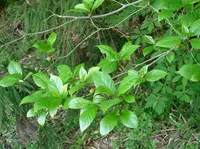
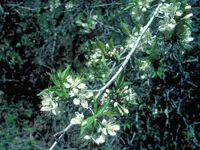
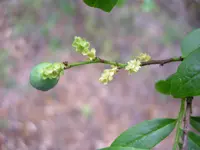
Plants usually form a loose, branching structure with narrow, elongated leaves and small, inconspicuous flowers followed by fleshy fruits. Growth is moderate and generally tidy, which can suit larger gardens or naturalistic plantings.

It is adapted to mild climates with cool, moist winters and drier summers, so it benefits from well-drained soil and protection from extreme cold. For anyone learning how to care for Myoschilos oblongum, its main challenges are finding an appropriate climate and providing enough light without prolonged drought stress.

Main Plant Requirements

Care Difficulty

Moderate Care

Light Preference

Partial Shade

Water Requirements

Moderate Water

Temperature Preference

Warm Climate

Hardiness Zone

Unknown

Soil Texture

Loamy

Soil pH

Slightly acidic (6.5–7.0)

Soil Drainage

Well-drained

Fertilization

Minimal (feed rarely)

Get Personalized Care Plan

Scan your plant to receive care tips personalized for your specific plant

Available on iOS and Android

How to Care for the Myoschilos oblongum

This species prefers bright, gentle sun that mimics open woodland edges.

  • Provide 4–6 hours of sun daily, best as morning or late-afternoon sun, with light shade at midday to prevent leaf scorch.
  • Tolerates partial shade, but in dense shade growth becomes sparse and fruiting declines; shift gradually to a brighter spot if stems elongate or leaves pale.
  • In hot summers, use dappled or filtered light, especially in the afternoon, to reduce heat stress and leaf burn on Myoschilos oblongum.

Watering should keep the soil consistently moist but never saturated.

  • Allow the top 3–5 cm of soil to dry slightly before watering again, then water slowly so moisture reaches the deeper root zone.
  • In spring and summer, monitor more often during warm, windy periods; in autumn and winter, extend intervals once growth slows and evaporation decreases.
  • Watch for yellowing, soft leaves or a sour smell as signs of waterlogging, and dull, drooping leaves or dry, brittle twigs as signs of underwatering; always use freely draining soil.

This plant prefers mild, temperate conditions with cool winters and frost protection when young.

  • Aim for active growth temperatures around 60–75°F (16–24°C), which support steady shoot and root development without heat stress.
  • Mature plants can tolerate short dips to about 23–25°F (-5 to -4°C), but young plants are more vulnerable and benefit from protection during hard freezes.
  • Prolonged heat above 90°F (32°C) can slow growth; provide extra shade, mulch the root zone, and ensure adequate moisture during hot, dry spells.

This species benefits from moderate ambient humidity rather than very dry air.

  • Aim for 40–60% humidity to limit leaf-edge browning and tip dieback.
  • It tolerates short dry spells indoors, but prolonged air below 30% may cause curling or crisping leaves.
  • Increase humidity with a nearby tray of moist pebbles or a room humidifier rather than misting leaves directly.

Provide a well-structured, free-draining mix to support Myoschilos oblongum root health.

  • Use a loose, loamy mix with roughly 50–60% peat-free compost or leaf mold, 20–30% coarse sand, and 20–30% perlite or fine bark for structure and aeration.
  • Target slightly acidic to neutral pH around 6.0–7.0, which supports balanced nutrient uptake and root activity.
  • Ensure rapid drainage so water does not stand in the pot or planting hole; water should clear through within a few seconds of irrigation.
  • Avoid heavy clay, compacted, or continually waterlogged sites, and break up dense native soil with added coarse material to prevent suffocation of roots.

This species can be grown in containers if the pot is chosen to support its root depth and moisture needs.

  • Select a deep, relatively narrow container to encourage a stable root column and reduce rocking in wind-exposed positions.
  • Use a heavier material such as ceramic or thick-walled terracotta if the aboveground growth becomes tall, to reduce tipping risk.
  • Elevate the pot slightly on feet or blocks so drainage holes stay clear and excess water exits quickly after rain or watering.

This species usually grows well in average garden soil and needs only light feeding under cultivation.

  • Apply a balanced, slow-release fertilizer (around 10-10-10) once in early spring for container or nutrient-poor plantings.
  • Use well-rotted compost as a thin surface mulch to support soil life and gradual nutrient release.
  • Dilute liquid feeds to half strength if used, and apply only during active growth.
  • Stop feeding in late summer so Myoschilos oblongum can harden new growth before winter.

Pruning is mainly corrective and structural, helping maintain a healthy, open canopy.

  • Carry out light pruning in late winter or very early spring before active growth begins.
  • Remove dead, diseased, crossing, or inward-growing branches to improve airflow and reduce disease risk.
  • Shorten or thin crowded shoots to maintain natural form rather than creating strict shapes.
  • Use clean, sharp bypass pruners and make smooth cuts just outside the branch collar to support good healing in Myoschilos oblongum.

This species is usually grown in the ground, with transplanting more relevant than container repotting.

  • Transplant young plants in late winter or early spring while still dormant, avoiding hot or very dry periods.
  • Look for signs such as slow growth, roots circling a container, or soil drying very fast to judge when to move Myoschilos oblongum.
  • For containers, shift up 1 pot size every 2–3 years using a free-draining, humus-rich mix.
  • Reduce root stress by watering well before and after moving, keeping the root ball intact, and shading temporarily after transplanting.

Propagation is usually done from seed and suits patient growers or nursery settings.

  • Collect ripe seeds in late summer to autumn and sow fresh for better germination.
  • Provide a cold stratification period, keeping moist seed in cool conditions to break dormancy.
  • Sow in a well-drained seed mix, maintaining steady moisture and bright, indirect light.
  • Label seedlings clearly and grow Myoschilos oblongum on in small pots until roots are well developed before planting out.

This species is generally cold hardy in temperate climates and needs limited winter attention when established.

  • Young or recently transplanted plants benefit from 5–8 cm of mulch over the root zone, kept away from the trunk.
  • Container-grown Myoschilos oblongum should be moved into a sheltered, unheated space in regions with severe freezes.
  • Avoid late-season nitrogen feeding that encourages tender growth prone to frost damage.

Care Tips

Install Wind Shelter

In open or exposed sites, use a hedge, windbreak netting, or nearby shrubs to reduce strong prevailing winds that can snap young shoots and desiccate leaves on this small tree.

Provide Structural Staking

For the first 2–3 years, stake the main stem with a sturdy, smooth stake and soft ties, adjusting them twice a year so the trunk can thicken without being constricted and stays upright in storms.

Mulch The Root Zone

Apply a 5–8 cm layer of coarse organic mulch over the root area, keeping it 5–8 cm away from the trunk, to buffer soil temperature, conserve moisture, and reduce weed competition that slows growth.

Encourage Strong Framework

In late winter, select 3–5 evenly spaced main branches and remove competing, crossing, or very low branches so the plant develops a stable, open framework that supports fruiting wood and good air flow.

Monitor For Scale

Inspect twigs and undersides of leaves once a month for scale insects and, if found, prune out heavily infested shoots and treat remaining areas with a horticultural oil spray according to label directions as part of caring for Myoschilos oblongum.

Common Pests and Diseases

Scale insects

This pest appears as small, rounded or oval bumps on stems and older wood, often clustered along sheltered parts of the branches. Symptoms include sticky honeydew on leaves and nearby surfaces, plus sooty black mold growing on this residue.

Solution

Prune out heavily infested twigs, then wipe remaining colonies with cotton pads dipped in 70% isopropyl alcohol or a mild insecticidal soap solution. Improve light and airflow around the shrub and repeat spot treatments every 7–10 days until no new scales appear; horticultural oil can be used during dormant or cool periods according to label directions.

Armillaria root disease

This disease, also called Armillaria root rot, causes progressive decline, yellowing foliage, twig dieback, and eventual death, especially in poorly drained or previously forested sites. Symptoms include white fungal fans under the bark at the root collar and dark shoestring-like rhizomorphs on roots or in the soil.

Solution

Remove and destroy severely affected plants, including as much of the root system and old woody debris as possible. Avoid replanting woody species in the same spot, improve drainage and soil aeration, and choose new planting sites away from old infected stumps or buried roots when growing Myoschilos oblongum.

Phytophthora collar canker

This disease affects the lower trunk and root collar, causing sunken, dark, often oozing lesions and a sudden wilt or decline during warm, wet periods. Symptoms include inner bark that appears cinnamon to reddish-brown instead of healthy white when the outer bark is scraped away.

Solution

Improve drainage and avoid water pooling around the base; never mound mulch against the trunk. Carefully cut out small, early lesions from the bark back to healthy tissue if practical, disinfecting tools between cuts, and consider using a registered phosphite or phosphonate product as a preventative drench in high-risk, poorly drained sites.

Leaf spot

This disease produces scattered brown to dark purple spots on leaves, sometimes with a pale halo, which can merge into larger blighted areas under prolonged humidity. Symptoms include premature leaf yellowing and drop, mostly on older or shaded foliage.

Solution

Remove and discard fallen and heavily spotted leaves to reduce inoculum. Water at soil level rather than overhead, increase spacing and airflow, and, in repeatedly affected landscapes, apply a labeled copper or broad-spectrum fungicide at the start of wet periods to protect new foliage.

Interesting Facts

Only member of its genus

Myoschilos oblongum is the sole species in the genus Myoschilos within the Phytolaccaceae family, making it a monotypic genus with a distinct evolutionary lineage among South American shrubs and small trees.

Fleshy bird-dispersed berries

The plant produces small fleshy berries that are eaten by birds, which then disperse the seeds through their droppings, an example of ornithochory, or bird-mediated seed dispersal.

Native to Chilean forests

This species occurs naturally in central and southern Chile, where it typically grows in moist, temperate forests and forest edges, often associated with the Chilean matorral and Valdivian temperate rainforest regions.

FAQs about Myoschilos oblongum

This species is generally evergreen in mild, frost-free climates, holding foliage year-round. In cooler or drier sites it can become semi-deciduous, shedding part of its leaves during stress, then refoliating when conditions improve.

Grow Healthy Plants with Botan Care

Keep your plants happy and healthy with plant identification, disease detection, and easy care guidance.

Botan plant care app — identify plants on mobile

Explore More Plants