Mexican primrose-willow Care (Ludwigia octovalvis)

Also known as: Willow Primrose
Mexican primrose-willow

About Mexican primrose-willow

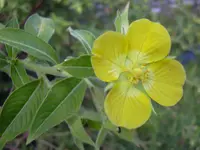
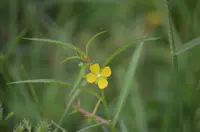
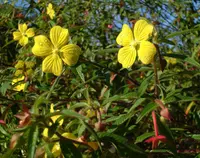
Mexican primrose-willow, Ludwigia octovalvis, is a fast-growing aquatic or semi-aquatic perennial often found along ponds, ditches, and other wet, sunny areas. It typically forms upright, branching stems with narrow green leaves and small yellow flowers. In suitable conditions it can spread quickly and behave as a weed. Its vigorous growth makes it easy to establish but sometimes challenging to control in open ground. Those who want to care for Mexican primrose-willow should know it favors consistently moist soil, good light, and space to grow, making it better suited to water gardens and naturalized wet areas than small containers.

Main Plant Requirements

Care Difficulty

Moderate Care

Light Preference

Full Sun

Water Requirements

Aquatic

Temperature Preference

Tropical / Frost Sensitive

Hardiness Zone

9–12

Soil Texture

Loamy, Silty, Organic-rich

Soil pH

Acidic (5.5–6.5), Slightly acidic (6.5–7.0)

Soil Drainage

Waterlogged tolerant

Fertilization

Minimal (feed rarely)

Get Personalized Care Plan

Scan your plant to receive care tips personalized for your specific plant

Available on iOS and Android

How to Care for the Mexican primrose-willow

This wetland species thrives in bright, open conditions with abundant direct light.

  • Provide 6–10 hours of direct sun daily; full sun promotes compact growth and stronger flowering in Mexican primrose-willow.
  • Plant in a position with morning to early afternoon sun; light afternoon shade is tolerated in very hot climates to reduce leaf scorch.
  • In cooler seasons, choose the sunniest site available; in summer, watch for pale, crispy leaves as a sign of excess sun and lanky stems as a sign of too little light.

This species prefers consistently moist to saturated conditions that mimic natural marshy habitats.

  • Maintain soil that stays wet or waterlogged; in garden beds, do not allow the top 2–3 cm to fully dry, especially during active growth.
  • Increase watering in hot, windy weather when edges of leaves start to droop or curl slightly, indicating moisture stress at the root zone.
  • Reduce water only slightly in cooler seasons, avoiding complete drying; yellowing, mushy stems suggest chronic overwatering in poorly drained, stagnant sites.

This plant is a warm-climate species that grows fastest in consistently mild to hot conditions.

  • Aim for 70–90°F (21–32°C) during the growing season; growth slows noticeably below 65°F (18°C).
  • Tolerates short dips to about 40°F (4°C), but foliage may be damaged; repeated exposure near this minimum weakens Ludwigia octovalvis.
  • Avoid frost, which can kill top growth; in hot spells above 95°F (35°C), secure ample water and, if possible, light afternoon shade to limit stress.

This species tolerates a wide humidity range but grows best with moderate moisture in the air.

  • Aim for 50–70% humidity, which mirrors the moist habitats where Mexican primrose-willow naturally occurs.
  • It copes with drier air if soil stays evenly moist, but growth may slow and leaves can become slightly dull or crisp at edges.
  • Increase humidity by grouping plants near shallow water trays or ponds, avoiding direct misting that can encourage leaf disease.

Ludwigia octovalvis prefers consistently wet, nutrient-rich soil that does not dry out.

  • Use a heavy loam with high organic matter, such as garden soil mixed with compost in a 2:1 ratio, to hold moisture and nutrients.
  • Allow very slow drainage or shallow standing water; this wetland plant declines in fast-draining or fully dry substrates.
  • A slightly acidic to neutral pH around 6.0–7.0 supports healthy growth and nutrient availability.
  • Avoid sandy, coarse, or peat-only mixes; they drain or dry too quickly and reduce root anchoring and oxygen balance.

This species can be grown in containers, especially for water gardens or controlled wet areas.

  • Choose a wide, relatively shallow container to allow spreading roots and stems while keeping the soil profile saturated.
  • Use sturdy, heavier pots so the plant mass and wet substrate do not tip or shift in strong wind or shallow water.
  • Select non-porous materials like plastic or glazed ceramic to slow evaporation and help maintain a consistently wet substrate.

This fast-growing wetland species benefits from modest, consistent feeding rather than heavy fertilization.

  • Use a balanced liquid fertilizer (for example 10-10-10) at 1/4–1/2 strength for Mexican primrose-willow grown in containers or controlled water gardens.
  • Feed every 2–4 weeks during the warm growing season when growth is active.
  • Switch to a slow-release aquatic or general-purpose fertilizer if regular liquid feeding is inconvenient.
  • Reduce or stop feeding in winter or cool dormant periods, especially if growth slows markedly.

Thoughtful pruning keeps Ludwigia octovalvis dense, flowering well, and within bounds in garden or pond settings.

  • Best time for structural pruning is late spring to midsummer, once new growth is established.
  • Remove dead, damaged, or weak stems first, then thin crowded shoots to improve light and water flow.
  • Pinch or cut back stem tips to encourage branching and a bushier, less lanky form.
  • Use clean, sharp scissors or hand pruners, making angled cuts just above a node.

This species is more often transplanted in wet beds or pond margins than repotted as a houseplant.

  • Plan transplanting for spring or early summer, when water and air temperatures are warming and recovery is fastest.
  • Move plants when roots circle containers, growth slows, or stems become overly congested in a small area.
  • Lift clumps gently, keep roots moist, and replant at the same depth into loose, consistently wet soil or shallow water.
  • Trim any broken roots, shade newly moved plants for a few days, and keep the root zone steadily saturated to limit stress.

Ludwigia octovalvis is commonly propagated for ponds and wet margins by cuttings and seed.

  • Take 8–12 cm soft stem cuttings in late spring or summer and place lower nodes under water or in saturated soil.
  • Provide bright light, warm conditions (around 70–80°F), and still or gently moving water for reliable rooting.
  • Sow fresh seed on the surface of moist substrate, as light helps germination, and avoid covering heavily.
  • Thin seedlings or rooted cuttings so remaining plants have space for upright, sturdy growth.

This warm-climate perennial has low frost tolerance and needs protection in regions with freezing winters.

  • In mild climates, mulch the root zone with 5–8 cm of organic material to buffer short cold spells.
  • Where hard frost occurs, treat outdoor plants as annuals or overwinter container specimens indoors under bright light.
  • Maintain indoor water or soil temperatures above about 55°F to reduce dieback and support survival.

Care Tips

Bank-side containment

In pond or ditch settings, plant into fabric grow bags or perforated baskets anchored with stones so the roots are contained and stems do not spread uncontrolled into natural waterways.

Rotational thinning

Every 4–6 weeks during the warm season, remove entire older stems at the base rather than just tip-pruning to keep colonies open, improve light penetration, and reduce self-shading that weakens new growth.

Stem renewal cuttings

When stands become leggy, cut vigorous, non-woody stems into 10–15 cm sections and replant or float-root them to quickly re-densify the planting instead of relying only on older, woody bases.

Water-level management

In shallow water culture, maintain a consistent water depth that keeps the lower stems submerged but the crown above water, and lower the level slightly in late season to reduce rot risk as growth slows.

Wildlife-safe pest control

If pest control is needed near ponds or streams, choose targeted methods such as manual removal, insecticidal soap spot-sprays, or biological controls to protect aquatic organisms while caring for Mexican primrose-willow.

Common Pests and Diseases

Aphids

This pest often colonizes young shoots and undersides of leaves in dense aquatic or riparian stands, sucking sap and distorting new growth.

Solution

Rinse stems and foliage with a firm stream of water to dislodge colonies, then repeat every few days; in persistent cases use an insecticidal soap labeled for aquatic or marginal plants, applied in calm weather and kept off open water as much as possible.

Spider mites

These insects favor hot, dry periods on emergent or potted plants, causing stippled leaves and fine webbing on Ludwigia stems and foliage.

Solution

Increase humidity around container or bog-grown plants, hose down foliage to remove mites, and treat remaining infestations with horticultural oil or insecticidal soap, ensuring thorough coverage of leaf undersides while avoiding application during high heat or direct midday sun.

Leaf spot (fungal)

This disease produces small brown to black spots on leaves that may coalesce, leading to premature yellowing and leaf drop in dense, poorly ventilated stands.

Solution

Remove and discard affected leaves, thin overcrowded growth to improve air movement, avoid frequent overhead watering on container plants, and if needed apply a broad-spectrum fungicide suitable for ornamental aquatics according to label directions.

Stem blight

This disease causes dark, water-soaked lesions on stems that can progress to wilting and dieback, especially where plants experience mechanical damage or stress.

Solution

Cut out and dispose of blighted stems well below the affected area, improve water quality and avoid nutrient extremes, and keep plantings less crowded so stems dry quickly after rain or irrigation; in severe, recurring cases, rotate planting locations in managed ponds or beds.

Caterpillars

These insects chew irregular holes in leaves and can strip foliage on young or stressed plants, especially along pond margins and ditches.

Solution

Handpick caterpillars where feasible and remove heavily damaged shoots, encourage natural predators such as birds and beneficial insects, and in heavier infestations use a biological control product containing Bacillus thuringiensis (Bt), applied only to emergent foliage and not directly to open water.

Interesting Facts

Twilight-opening flowers

The yellow flowers typically open in late afternoon or evening and often close again by the next morning, a timing that matches peak activity of some of its insect pollinators.

Amphibious growth habit

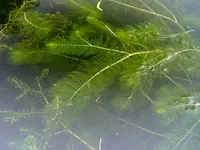
This species can grow both as an emergent shoreline plant and as a semi-aquatic plant with submerged stems, adjusting its form and leaf structure depending on water depth and flow.

Rapid colonizer of wetlands

Mexican primrose-willow quickly colonizes disturbed or newly flooded wet areas such as drainage ditches, pond margins, and rice fields, which can make it both useful for stabilization and problematic as a weed in some regions.

Botan icon

Did you know?

In some tropical and subtropical regions, Mexican primrose-willow has been documented as a host plant for certain aquatic and semi-aquatic insect larvae, providing both shelter among its stems and a food source through associated algae and biofilm on its surfaces.

FAQs about Mexican primrose-willow

This species spreads quickly by seed and creeping stems, especially in wet or poorly managed areas. In suitable climates it can form dense stands, so monitor seedlings, cut back after flowering, and remove unwanted plants promptly.

Grow Healthy Plants with Botan Care

Keep your plants happy and healthy with plant identification, disease detection, and easy care guidance.

Botan plant care app — identify plants on mobile

Explore More Plants