Install Root Barriers
In warm regions, bury physical root barriers 30–45 cm deep around plantings to stop this species spreading aggressively into nearby waterways or drainage lines.

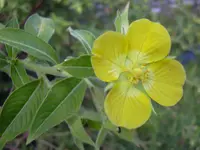
Peruvian primrose-willow (Ludwigia peruviana) is a fast-growing, semi-aquatic shrub often found along riverbanks, ponds, and wetlands. It forms dense, woody thickets with upright stems and soft green leaves.
The plant produces bright yellow, 4-petaled flowers that stand out against the foliage and attract pollinators. In suitable climates it can spread aggressively, which makes it invasive in many warm regions.
Ludwigia peruviana prefers full sun, consistently moist to wet conditions, and nutrient-rich, muddy or sandy soils. These traits make it easy to establish in water-adjacent landscapes but harder to control than to care for Peruvian primrose-willow in small, contained spaces.

Care Difficulty
Moderate Care

Light Preference
Full Sun

Water Requirements
Aquatic

Temperature Preference
Tropical / Frost Sensitive

Hardiness Zone
9–11

Soil Texture
Loamy, Silty, Organic-rich

Soil pH
Acidic (5.5–6.5), Slightly acidic (6.5–7.0)

Soil Drainage
Waterlogged tolerant

Fertilization
Minimal (feed rarely)
Scan your plant to receive care tips personalized for your specific plant
Available on iOS and Android
This wetland shrub thrives in strong light and benefits from long, bright days.
This species prefers constant moisture and naturally grows along shores, ditches, and wetlands.
This plant is adapted to warm, frost-free climates and grows fastest in sustained heat.
This semi-aquatic species prefers consistently high humidity and saturated conditions.
This species is adapted to saturated, organic-rich soils rather than standard garden substrates.
This species can be grown in large containers, especially as a marginal or bog plant near water.
This wetland shrub grows vigorously and usually needs only modest feeding in garden or container culture.
Thoughtful pruning keeps Ludwigia peruviana dense, manageable, and flowering well in cultivated settings.
This species is more often transplanted along pond margins than grown as a long-term container specimen.
Ludwigia peruviana is commonly multiplied for aquatic or bog plantings using vegetative methods.
In mild, frost-free climates this plant needs little winter care, but colder areas require extra attention.

Plant Health Check
Not sure what's wrong with your plant? Check your plant's health inside the app.
This semi-aquatic shrub develops long, spongy stems with internal air spaces that help it float or stand in saturated soils, allowing it to colonize the edges of slow-moving rivers, ditches, and wetlands.
Mature plants can produce large numbers of small, buoyant seeds that spread efficiently through water currents, contributing to its rapid expansion in suitable wetland habitats.
Outside its native South American range, this species is regarded as an invasive plant in parts of the southern US and other warm regions, where dense thickets can displace native wetland vegetation and alter water flow.

In some invaded wetlands, dense stands of this species have been documented to trap sediments and organic matter so effectively that they measurably accelerate the infilling and shallowing of waterways over time, changing local hydrology and habitat structure.
This species spreads very aggressively in wet soils and shallow water through both seeds and stem fragments. In many warm regions it is listed as invasive, so regular cutting, removal of seedlings, and strict containment are essential.
Keep your plants happy and healthy with plant identification, disease detection, and easy care guidance.