Staggered Succession Sowing
Sow small batches every 2–3 weeks instead of all at once to maintain a steady supply of tender leaves and prevent the whole planting from becoming tough and overgrown at the same time.

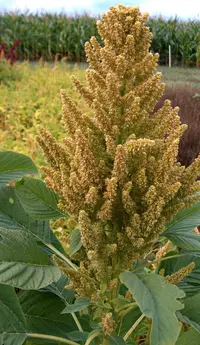
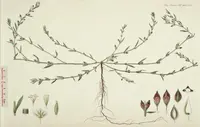
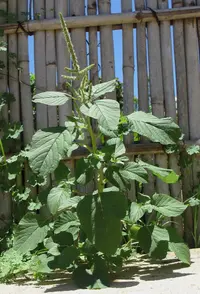
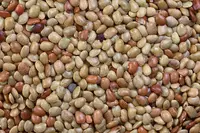
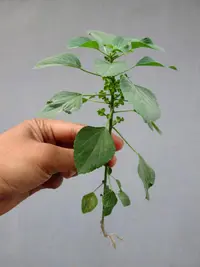
Green amaranth (Amaranthus hybridus) is a fast-growing annual herb often found in vegetable gardens, fields, and disturbed soils. It is also grown in some regions as a leafy green or grain crop. The plant forms upright stems with simple, oval leaves and green flower spikes that produce many tiny seeds. It can reach a substantial height in one season and often self-sows. Native to parts of the Americas, it has now naturalized widely in warm and temperate climates. It adapts to a range of soils and conditions, which makes it vigorous but sometimes weedy. Understanding how to care for Green Amaranth starts with its preference for full sun, moderate moisture, and well-drained soil.

Care Difficulty
Easy Care

Light Preference
Full Sun

Water Requirements
Regular Water

Temperature Preference
Tropical / Frost Sensitive

Hardiness Zone
2–11

Soil Texture
Sandy, Loamy, Organic-rich

Soil pH
Acidic (5.5–6.5), Slightly acidic (6.5–7.0)

Soil Drainage
Moist but well-drained

Fertilization
Moderate (every 2–4 weeks)
Scan your plant to receive care tips personalized for your specific plant
Available on iOS and Android
This sun-loving annual thrives in bright conditions with long, warm days.
This fast-growing annual prefers consistently moist but not saturated soil.
This warm-season species grows best in stable, frost-free conditions.
This species grows well in typical outdoor humidity and rarely needs special humidity adjustments.
This annual prefers loose, well-drained, moderately fertile soil to support fast growth and upright stems.
This species is suitable for container growing when given enough root space and stable support.
This fast-growing annual benefits from moderate feeding to support lush foliage and flowering during the warm season.
Pruning Amaranthus hybridus is mainly used to manage size, encourage bushiness, and remove weak growth.
This species is usually grown as an annual in beds, so transplanting young plants correctly is more important than repotting.
Propagation of this annual is most commonly done from seed, which is straightforward and efficient for home growers.
As a frost-sensitive warm-season annual, this plant does not overwinter outdoors in cold climates and usually completes its life cycle in one season.

Plant Health Check
Not sure what's wrong with your plant? Check your plant's health inside the app.
Amaranthus hybridus uses a C4 photosynthetic pathway, which allows efficient carbon fixation and high growth rates in hot, bright conditions compared with many C3 crop species such as wheat and rice.
Genetic and archaeological studies indicate that Amaranthus hybridus is a key wild ancestor or close relative of several domesticated grain amaranths, including Amaranthus caudatus and Amaranthus cruentus, making it important for understanding amaranth domestication and breeding.
This species is a cosmopolitan agricultural weed that thrives in disturbed soils and crop fields, showing strong adaptability to different climates and resistance to common field stresses, which is a major focus in Amaranthus hybridus plant care and management research in farming systems.

Mature plants of Amaranthus hybridus can produce many thousands of small, long-lived seeds per individual, enabling persistent soil seed banks and rapid reinfestation of fields even after several years of control efforts.
Yes, both young leaves and tender stems are edible and used as leafy greens, especially when cooked. The seeds are also edible grains. Avoid harvesting from polluted areas or sprayed sites, as the plant readily absorbs contaminants.
Keep your plants happy and healthy with plant identification, disease detection, and easy care guidance.