


Structured stooling system
On multi-stem plants, cut 1–2 of the oldest stems to ground level each winter to encourage strong new shoots and maintain a productive, manageable framework.

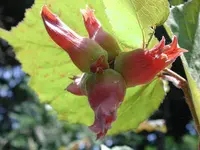
Filbert, Corylus maxima, is a deciduous shrub or small tree grown mainly for its edible hazelnuts and attractive, rounded foliage. It usually forms a multi-stemmed, spreading clump with yellow catkins in late winter and early spring. Native to southeastern Europe and western Asia, it is often used in orchards, large gardens, and naturalistic plantings. This species is generally robust and long-lived when planted in suitable conditions. It prefers sun to light shade, moderate moisture, and well-drained, fertile soil. Once established, it is relatively undemanding, so learning how to care for Filbert is straightforward for most gardeners.

Care Difficulty
Easy Care

Light Preference
Full Sun

Water Requirements
Moderate Water

Temperature Preference
Cold Hardy

Hardiness Zone
4–8

Soil Texture
Loamy, Sandy, Clay

Soil pH
Slightly acidic (6.5–7.0), Neutral (7.0)

Soil Drainage
Moist but well-drained

Fertilization
Minimal (feed rarely)
Scan your plant to receive care tips personalized for your specific plant
Available on iOS and Android
Corylus maxima thrives in bright outdoor conditions with a balance of sun and light shade.
Watering for Corylus maxima focuses on deep, infrequent moisture rather than light, frequent sprinkling.
This shrub handles a wide temperature range but grows best in moderate conditions.
This shrub tolerates a wide humidity range and rarely needs special humidity management outdoors.
Corylus maxima prefers moist, well-drained, fertile soil that allows deep rooting and steady moisture supply.
This large, deep-rooting shrub is generally unsuitable for long-term container growing, except as a short-term patio specimen when young.
Corylus maxima is moderately nutrient-demanding and benefits from light, consistent feeding in typical garden soils.
Corylus maxima responds well to thoughtful pruning that manages size, encourages strong structure, and maintains nut production.
This hazel is most often grown in the ground, so transplanting young plants correctly is more important than repotting long-term container specimens.
Corylus maxima is commonly propagated for orchards and hedges, mainly by layering and seed, with grafting used for specific cultivars.
This hazel is generally cold hardy in temperate climates and usually needs minimal winter care once well established.

Plant Health Check
Not sure what's wrong with your plant? Check your plant's health inside the app.
The cultivar group known as Corylus maxima 'Purpurea' has dark purple foliage caused by higher levels of anthocyanin pigments, and this trait has been used in breeding ornamental hazels with colored leaves.
Its nuts are enclosed in long, tubular husks that extend well beyond the nut itself, a key feature that helps distinguish it from the common hazel Corylus avellana, which has much shorter husks.
Despite being cultivated widely in Europe, this species is naturally associated with regions around the eastern Mediterranean and parts of western Asia, and is one of the traditional hazel species grown for edible nuts in those areas.

Corylus maxima is one of the key wild parent species behind several modern filbert and hazelnut cultivars, and its genetics have been used extensively in breeding programs to improve nut size, shell thickness, and overall crop reliability.
Growth is moderate, typically 30–60 cm per year in good conditions. It often reaches a useful shrub size for structure or nut production in about 4–6 years, depending on climate, soil fertility, and pruning.
Keep your plants happy and healthy with plant identification, disease detection, and easy care guidance.

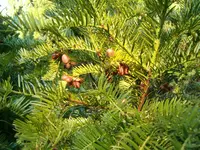
Japanese Plum-yew
Cephalotaxus harringtonia
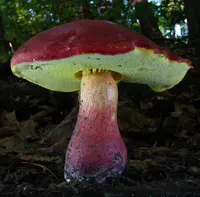
two-colored bolete
Baorangia bicolor

Butternut Squash
Cucurbita moschata 'Butternut 661'
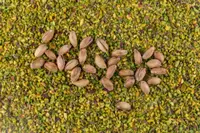
pistachio nut
Pistacia vera

MacDonnell Ranges Cycad
Macrozamia macdonnellii
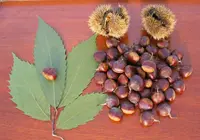
American chestnut
Castanea dentata
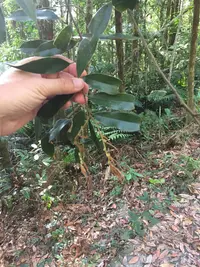
Castanopsis fargesii
Castanopsis fargesii
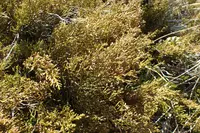
pygmy pine
Lepidothamnus laxifolius