Root collar protection
Keep the top of the caudex and root collar just above soil level and mulch lightly with coarse gravel or stone to prevent rot and allow heat and airflow around the crown.

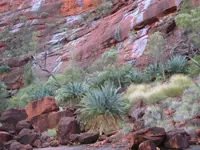
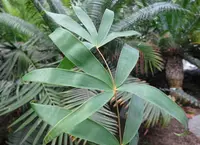
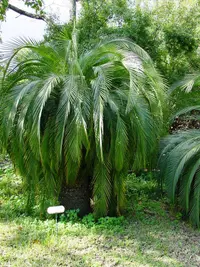
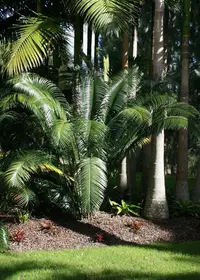
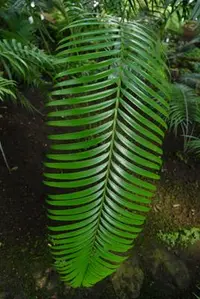
MacDonnell Ranges cycad (Macrozamia macdonnellii) is a slow-growing, long-lived cycad, not a true palm, with a stout trunk and a crown of stiff, arching fronds. It forms a strong architectural silhouette and can eventually become a striking specimen in dry, warm climates.
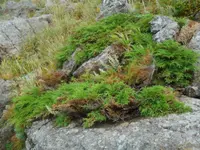
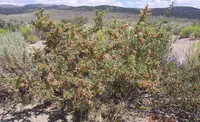
This species is native to arid regions of central Australia, where it grows on rocky slopes and well-drained sites. Its natural drought tolerance and slow growth make it tough but also unforgiving of overwatering in cultivation.
Macrozamia macdonnellii prefers bright light, excellent drainage, and infrequent but deep watering. Understanding these traits is key to how to care for MacDonnell Ranges Cycad successfully, especially in containers or landscape plantings.

Care Difficulty
Moderate Care

Light Preference
Full Sun

Water Requirements
Low Water

Temperature Preference
Warm Climate

Hardiness Zone
9–11

Soil Texture
Sandy, Loamy, Rocky

Soil pH
Slightly acidic (6.5–7.0), Neutral (7.0)

Soil Drainage
Well-drained

Fertilization
Minimal (feed rarely)
Scan your plant to receive care tips personalized for your specific plant
Available on iOS and Android
This cycad prefers bright, open conditions that mimic its native arid habitats.
This drought-tolerant cycad stores water in its trunk and prefers deep, infrequent watering.
This species is adapted to hot, arid climates but benefits from moderate temperature ranges for best growth.
This species tolerates low humidity but benefits from slightly raised levels in very dry homes.
Macrozamia macdonnellii prefers a sharply drained, mineral-rich mix that mimics arid, sandy habitats.
This cycad is suitable for long-term container growing if given a deep, stable pot.
This slow-growing cycad needs modest feeding to maintain steady health, especially in containers.
Macrozamia macdonnellii requires minimal pruning, mainly for sanitation and safety.
This cycad dislikes frequent disturbance, so repotting or transplanting should be infrequent and carefully planned.
Propagation of Macrozamia macdonnellii is slow and specialized, usually done from seeds or offsets by experienced growers.
This species has some drought and heat tolerance but needs protection in climates with cold winters.

Plant Health Check
Not sure what's wrong with your plant? Check your plant's health inside the app.
This species is native to the arid MacDonnell Ranges of central Australia, where it grows on rocky slopes and gorges rather than in the moist tropical habitats typical of many other cycads.
It develops a large, mostly subterranean stem that stores water and nutrients, helping the plant survive long dry periods and fire events in its desert mountain habitat.
Its large, bright seeds are known to be eaten and likely dispersed by central Australian fauna such as dingoes and large birds, linking the plant’s reproduction to native animal activity in these ranges.

This species is considered one of the few true desert-adapted cycads, representing an unusual evolutionary outlier among cycads, which are otherwise largely associated with more mesic, or moisture-available, environments.
Container growing is possible but slow. Use a deep, heavy pot with excellent drainage and gritty mix. Repot rarely, only when roots fill the pot. Large specimens become very heavy and are difficult to move safely.
Keep your plants happy and healthy with plant identification, disease detection, and easy care guidance.