Hope's cycad Care (Lepidozamia hopei)

Hope's cycad

About Hope's cycad

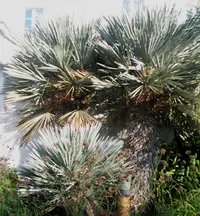
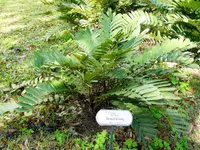
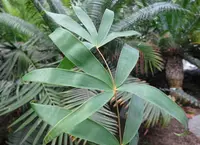
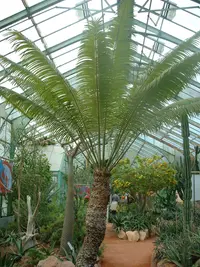
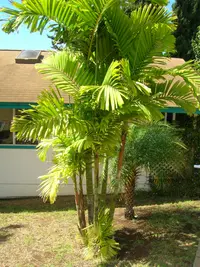
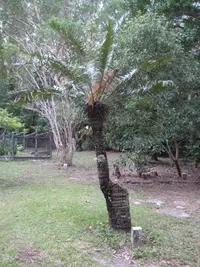
Lepidozamia hopei, commonly called Hope's cycad, is a large, slow-growing cycad with a palm-like look but very different biology. It forms a stout trunk topped by a dense crown of long, glossy, arching fronds that create a bold, tropical effect.

This species is native to warm, humid rainforests of northeastern Australia, where it grows in shaded to semi-shaded understory conditions. Its slow growth, long lifespan, and tolerance of stable, mild conditions make it relatively straightforward for patient growers.

Consistent moisture, free-draining soil, and protection from harsh sun and cold are central to how to care for Hope's cycad, especially in container or indoor settings.

Main Plant Requirements

Care Difficulty

Moderate Care

Light Preference

Partial Shade

Water Requirements

Moderate Water

Temperature Preference

Tropical / Frost Sensitive

Hardiness Zone

10–11

Soil Texture

Sandy, Loamy, Organic-rich

Soil pH

Acidic (5.5–6.5), Slightly acidic (6.5–7.0)

Soil Drainage

Moist but well-drained

Fertilization

Minimal (feed rarely)

Get Personalized Care Plan

Scan your plant to receive care tips personalized for your specific plant

Available on iOS and Android

How to Care for the Hope's cycad

This slow-growing cycad prefers bright, filtered light that mimics understory forest conditions.

  • Provide 3–5 hours of soft morning sun or bright dappled shade under high tree canopies; avoid harsh midday and afternoon sun, especially in hot climates.
  • Hope's cycad tolerates partial to deep shade but growth slows if light is very low; fronds may lengthen and lean toward brighter areas.
  • In summer, protect from reflected heat and intense sun to prevent leaf scorch; in cooler seasons, allow slightly more direct morning sun for stronger growth.

This species prefers evenly moist, freely draining soil without prolonged dryness or standing water.

  • Water when the top 3–5 cm of soil feels dry, allowing moisture to reach deeper roots while avoiding soggy conditions in the root zone.
  • During warm growing seasons, expect more frequent watering, guided by soil feel; in cooler months, extend intervals as evaporation and growth slow.
  • Lepidozamia hopei dislikes poor drainage; yellowing, limp fronds suggest overwatering, while crisp browning tips and light, shrinking soil indicate underwatering.

This cycad thrives in mild, frost-free, subtropical to warm-temperate climates.

  • Aim for 65–85°F (18–29°C) for steady growth, with best performance near the middle of this range in well-ventilated sites.
  • Protect from temperatures below 40°F (4°C); brief dips near this level may be tolerated, but frost can damage or kill new fronds and crowns.
  • In hot spells above 90°F (32°C), provide shade, mulch, and consistent soil moisture to reduce heat stress and prevent leaf scorch.

This cycad prefers moderately humid air but usually tolerates typical home conditions.

  • Aim for 40–60% humidity, avoiding prolonged exposure below 30%.
  • Watch for browning leaflet tips and slowed new frond growth as signs of low humidity stress.
  • Increase humidity by grouping plants, placing the pot on a pebble tray with water, or running a nearby humidifier.

This species needs deep, sharply draining yet moisture-retentive soil to support its large root system.

  • Use a loose, sandy-loam mix such as 40% coarse sand, 30% compost, and 30% fine bark or coco coir for Lepidozamia hopei.
  • Ensure rapid drainage so water exits the pot or planting hole within seconds, while organic matter helps the soil stay slightly moist, not wet.
  • Keep pH mildly acidic to neutral, around 6.0–7.0, as strongly alkaline substrates can limit nutrient uptake and cause chlorosis (yellowing leaves).
  • Improve aeration by incorporating chunky bark or pumice and avoid heavy clay, compacted ground, or mixes that stay soggy after 24 hours.

This species can be grown in large containers when given stable, deep, and well-drained conditions.

  • Choose a tall, heavy pot that resists tipping as the crown and fronds become large and top-heavy over time.
  • Select thick-walled terracotta or similar porous material if extra evaporation is needed to prevent waterlogged roots in wet climates.
  • Raise the container slightly on pot feet so drainage holes stay clear and excess water can leave quickly instead of pooling under the base.

This slow-growing cycad needs modest feeding to support steady foliage production in containers or poor soils.

  • Use a balanced slow-release fertilizer (such as 10-10-10 or 14-14-14) or well-aged compost around the root zone in spring.
  • Feed Hope's cycad every 3–4 months during the warm growing season only.
  • Apply at 1/2 label strength for container plants to avoid root burn and salt buildup.
  • Skip or greatly reduce fertilization in winter when growth is minimal.

Pruning needs for Lepidozamia hopei are minimal and focus on health and safety rather than shaping.

  • Carry out any pruning in late winter or early spring before strong new growth starts.
  • Remove only dead, yellowing, diseased, or storm-damaged fronds using clean, sharp loppers or a pruning saw.
  • Cut fronds close to the trunk without damaging the crown where new leaves emerge.
  • Avoid heavy crown thinning, which weakens the plant and does not improve growth or cone production.

Transplanting this large cycad is infrequent and should be planned carefully to limit root disturbance.

  • Look for roots circling the pot, pushing out drainage holes, or very slow growth as signs a potted plant needs a larger container.
  • Schedule repotting or landscape transplanting in late spring to early summer, when soil is warm and recovery is fastest.
  • Expect container plants to need a size upgrade roughly every 4–6 years, using a deep pot with very free-draining mix.
  • Lift with as much root ball as possible, keep roots shaded and moist, then water deeply and keep the plant stable and unstressed for several weeks.

Propagation of Lepidozamia hopei is possible mainly from seed but is slow and better suited to patient growers or specialists.

  • Collect ripe seeds from mature cones and clean away all flesh to reduce rot risk.
  • Sow in late spring to early summer in a free-draining, sandy mix kept at 70–80°F with consistently slightly moist conditions.
  • Provide bright, indirect light and good air movement; germination may take many months.
  • Transplant seedlings only after forming a firm root system, handling the taproot very gently.

This subtropical cycad dislikes frost and needs some attention in cooler climates.

  • In regions below 30–32°F, grow in containers so plants can be moved indoors or into a greenhouse for winter.
  • For in-ground plants in marginal climates, apply a 5–10 cm mulch layer over the root zone, keeping it away from the trunk.
  • Wrap the crown and young fronds with breathable frost cloth during forecast freezes to limit tissue damage.

Care Tips

Stake Young Trunks

Install a sturdy stake on the windward side when the plant is young and loosely tie the trunk with soft, broad ties to keep the crown stable while the root system establishes in exposed sites.

Mulch For Root Protection

Apply a 5–8 cm layer of coarse organic mulch over the root zone, keeping it a few cm away from the trunk, to buffer soil temperature, conserve moisture, and protect the shallow roots from compaction.

Plan Space For Fronds

Allow several feet of horizontal space around the plant and avoid narrow paths or doorways so the long, arching fronds can develop fully without repeated breakage or pruning.

Container Weight Management

If grown in a large pot, use a wide, heavy container or add weight (such as gravel at the base) to prevent tipping as the crown becomes top-heavy and more vulnerable to wind or accidental bumps.

Monitor Cone Development

Check the plant regularly during the reproductive season and support or gently reposition heavy cones if needed so they do not rest on and deform emerging fronds, which is especially helpful when growing Hope's cycad in landscaped areas with foot traffic.

Common Pests and Diseases

Scale insects

This pest feeds on the thick leaf bases and trunks, drawing out sap and causing yellowing or weak new growth. Symptoms include small dome-shaped bumps that may exude sticky honeydew and encourage sooty mold on foliage.

Solution

Wipe or gently scrub affected areas with a soft cloth or brush dipped in a mix of mild insecticidal soap and water, repeating weekly until clean. For heavier infestations, apply a systemic insecticide labeled for cycads and improve plant vigor with proper light, watering, and nutrition to reduce reinfestation.

Mealybugs

These insects hide in the leaf bases and crown, where they suck sap and weaken the plant. Symptoms include white, cottony clusters, distorted new leaves, and sticky residue that may attract ants.

Solution

Direct a strong stream of water into leaf bases and crown to dislodge colonies, then spot-treat remaining clusters with cotton swabs dipped in isopropyl alcohol. For persistent cases, use an insecticidal soap or horticultural oil spray labeled safe for cycads, applied carefully into crevices and repeated on a 7–10 day schedule.

Cycad blue butterfly larvae

This pest, present in some warm regions, can chew through leaflet tissue and skeletonize fronds. Symptoms include irregular holes, transparent patches in leaflets, and visible greenish larvae on the undersides of leaves.

Solution

Hand-pick and remove larvae and damaged leaflets as soon as feeding damage appears, placing all plant debris in the trash. In areas where this insect is established, use a Bacillus thuringiensis (Bt) product or other targeted caterpillar control according to label directions, focusing on young fronds where eggs and larvae concentrate.

Sooty mold

This disease develops on the sugary honeydew excreted by sap-feeding insects like scale or mealybugs. Symptoms include a black, powdery coating on leaf surfaces that blocks light and can reduce photosynthesis.

Solution

First control the underlying insect problem, then gently wash leaves with lukewarm water and a mild soap solution to remove the mold layer. Improve light, airflow, and general cleanliness around the plant to discourage future buildup on the tough cycad fronds.

Interesting Facts

Ancient rainforest cycad

This species is native to lowland and upland rainforests of northeastern Queensland, where it grows naturally in shaded, humid valleys rather than in open, exposed sites.

Exceptionally tall trunk

It is one of the tallest cycads, with old individuals forming a solitary, palm-like trunk that can reach well over human height, distinguishing it from many shorter, clustering cycads.

Large, arching fronds

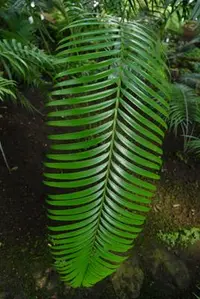
Its fronds can extend several meters, forming a broad, graceful crown that helps the plant capture limited light on the shaded rainforest floor.

Botan icon

Did you know?

This species produces some of the largest cycad seeds in Australia, with heavy, elongated seeds that are dispersed mainly by gravity and short-distance animal movement rather than by wind.

FAQs about Hope's cycad

Growth is slow. In suitable outdoor conditions it may add only 5–10 cm of trunk per year, sometimes less. Container plants grow even more slowly. Patience is essential when growing Hope's cycad as a landscape specimen.

Grow Healthy Plants with Botan Care

Keep your plants happy and healthy with plant identification, disease detection, and easy care guidance.

Botan plant care app — identify plants on mobile

Explore More Plants