Cycad Care (Ceratozamia mexicana)

Cycad

About Cycad

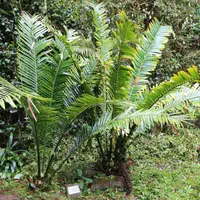
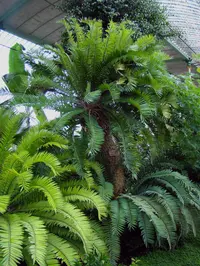
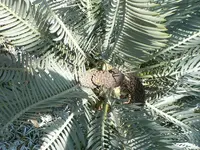
Cycads are ancient, palm-like seed plants with stiff, leathery leaves arranged in a crown on a thick, woody trunk. Ceratozamia mexicana is a compact cycad species valued for its graceful, arching fronds and slow, clumping growth.

This species is native to humid forests of eastern Mexico, where it grows under partial shade in well-drained, organic-rich soils. Its slow growth, sensitivity to overwatering, and need for stable warmth make it moderately challenging for beginners.

Those who learn how to care for Cycad often keep this plant as a long-lived specimen in containers or sheltered outdoor spots in mild climates.

Main Plant Requirements

Care Difficulty

Moderate Care

Light Preference

Partial Shade

Water Requirements

Moderate Water

Temperature Preference

Warm Climate

Hardiness Zone

10–11

Soil Texture

Loamy, Sandy, Organic-rich

Soil pH

Acidic (5.5–6.5), Slightly acidic (6.5–7.0)

Soil Drainage

Moist but well-drained

Fertilization

Minimal (feed rarely)

Get Personalized Care Plan

Scan your plant to receive care tips personalized for your specific plant

Available on iOS and Android

How to Care for the Cycad

This shade-tolerant cycad prefers bright, indirect light that mimics an understory forest habitat.

  • Provide 2–4 hours of gentle morning sun with bright, filtered or dappled light the rest of the day; avoid harsh midday and afternoon sun.
  • Grow outdoors in partial shade under high tree canopy, shade cloth, or on the east or north side of buildings to protect fronds from scorching.
  • Watch frond color and stretch: pale, crispy tips indicate too much sun, while long, weak, dark-green fronds suggest insufficient light.

Ceratozamia mexicana prefers evenly moist but never waterlogged soil around its roots.

  • Water when the top 3–5 cm of soil feels dry, soaking the root zone thoroughly, then allow excess water to drain away completely.
  • Use deep, infrequent watering in well-draining, gritty soil; avoid sites where water pools after rain to reduce root rot risk.
  • In cooler seasons when growth slows, extend the interval between waterings, watching for folding or browning leaf tips as signs of underwatering and yellowing fronds as a sign of excess moisture.

This species thrives in warm, frost-free climates similar to lowland tropical or subtropical forests.

  • Aim for 65–80°F (18–27°C) for active growth, as stable warmth supports healthy leaf and cone development.
  • Protect plants from cold; growth slows below 55°F (13°C), and foliage can be damaged near 40°F (4°C), especially with wind.
  • Avoid exposure to frost and extreme heat; provide shade and extra moisture in hot spells above 90°F (32°C) and move containers or cover plants during unexpected cold snaps.

Ceratozamia mexicana prefers moderately humid air but usually adapts to typical indoor levels if not extremely dry.

  • Aim for 50–70% humidity; it tolerates brief dips lower but prolonged very dry air increases leaf browning.
  • Cycad leaves show low-humidity stress as crisp tips, edge browning, and slower new leaf expansion.
  • Increase humidity with a nearby open tray of water and stones, grouping plants together, or using a room humidifier rather than misting the foliage.

Ceratozamia mexicana grows best in loose, airy, organic-rich soil that drains quickly yet retains moderate moisture.

  • Use a mix of roughly 50% peat or coco coir, 25% composted bark, and 25% coarse material such as perlite or pumice for structure and drainage.
  • Aim for slightly acidic to neutral pH around 6.0–7.0, which supports balanced nutrient availability and root function.
  • Ensure water flows freely through the mix; clogged or compacted soil promotes root rot and should be broken up or replaced.
  • Avoid heavy clay, peat-only mixes, or fine sand that compacts, since poor aeration limits root health and new flushes of growth.

This species is suitable for container growing when the pot is chosen to support its heavy caudex and slowly expanding root system.

  • Select a wide, low, and weighty pot to prevent tipping as the caudex enlarges and fronds extend outward.
  • Leave some horizontal space around the caudex so emerging leaf bases do not press against the container rim and deform.
  • Choose a non-porous pot if the mix dries too quickly, or a porous clay pot if moisture lingers, to fine-tune root-zone moisture.

Ceratozamia mexicana grows slowly and needs modest, steady nutrition rather than heavy feeding.

  • Use a balanced, slow-release NPK fertilizer formulated for cycads at the start of spring to support new flushes of leaves.
  • Apply at 1/2 label strength to avoid root burn, especially in containers, and water thoroughly afterward.
  • Feed every 8–10 weeks during the warm growing season; skip or greatly reduce feeding in winter dormancy.
  • In-ground plants in fertile soil may only need light compost or mulch once per year as part of general Cycad care.

Ceratozamia mexicana requires minimal pruning, mainly for health and safety of the plant.

  • Carry out pruning in late winter or early spring before strong new growth begins.
  • Remove only dead, yellowing, pest-damaged, or broken fronds at the base with clean, sharp pruners.
  • Avoid cutting healthy green fronds, since each leaf contributes significantly to this slow-growing cycad’s energy reserves.
  • Clear away spent cones or debris to reduce fungal problems and keep the plant’s natural shape visible.

Container-grown Ceratozamia mexicana is repotted infrequently due to its slow root expansion.

  • Check for roots circling the pot, pushing out drainage holes, or noticeably slowed top growth as signals to move up 1 pot size.
  • Plan repotting or outdoor transplanting for late spring, once nights stay consistently above 55°F.
  • Repot every 3–5 years into a deep, fast-draining, gritty mix to limit waterlogging around the caudex and roots.
  • Handle the root ball gently, keep it at the same depth, water lightly after moving, and shade the plant for 1–2 weeks to reduce stress.

Ceratozamia mexicana is rarely propagated at home because it is slow-growing and often protected in the wild.

  • Propagation is usually by seed produced on cultivated, legally sourced parent plants rather than by cuttings or division.
  • Sow cleaned, fresh seeds in late spring in a warm medium kept around 75–85°F with very sharp drainage.
  • Maintain consistently lightly moist, not wet, conditions and be prepared for slow, uneven germination over many months.
  • Leave any offsets attached until well developed, then pot individually with minimal root disturbance, using the same gritty mix.

This subtropical cycad dislikes prolonged cold and needs protection anywhere winters drop near or below freezing.

  • In USDA zones cooler than 9, grow in containers and move indoors or into a frost-free greenhouse for winter.
  • Aim for 45–60°F indoors with bright light, and reduce watering so the mix stays barely moist.
  • For in-ground plants in mild climates, add a 5–8 cm mulch layer over the root zone to buffer short cold spells.
  • Cover the crown with breathable frost cloth during rare hard frosts, removing it once temperatures rise above freezing.

Care Tips

Rotate container

Rotate the pot 90° every 4–6 weeks so the crown develops evenly and leaflet orientation does not lean permanently toward the strongest light source.

Protect emerging flush

When new fronds are unfolding, keep the plant out of strong wind and avoid handling the soft leaflets, as mechanical damage at this stage creates permanent deformities in the mature leaves.

Stabilize heavy caudex

If the caudex (swollen stem base) becomes top-heavy, use a wide, heavy container and plant slightly deeper, covering the upper roots, to reduce wobbling and prevent root plate disturbance during moves.

Dry mulch layer

Add a 1–2 cm layer of coarse, inert material such as fine gravel or pumice on the soil surface to reduce fungus gnat breeding and keep the crown drier while still allowing gas exchange.

Cool-season adjustment

In cooler months, reduce air movement directly over the plant and keep it away from heater outlets, since fluctuating warm–cold drafts can stress cycads and slow long-term growing Cycad performance.

Common Pests and Diseases

Cycad scale

This pest appears as small, white to brown pinhead-sized bumps clustered on fronds and along the rachis. Symptoms include yellowing leaflets, poor new growth, and a sticky or sooty residue from associated mold.

Solution

Isolate the plant, then physically remove heavily infested fronds and wipe remaining leaves with a soft cloth dipped in mild soapy water or horticultural oil, ensuring thorough coverage of leaflet undersides and petioles. Repeat treatments every 7–10 days for several cycles and improve light and air movement to support recovery as part of overall Cycad indoor care.

Mealybugs

These insects form white, cottony clusters at leaflet bases, along petioles, and near the crown, sucking sap and weakening the plant. Symptoms include distorted new fronds, honeydew, and sooty mold on the foliage.

Solution

Spot-treat visible clusters with cotton swabs dipped in isopropyl alcohol, then wash fronds with a gentle soap solution or apply a light horticultural oil, focusing on hidden crevices around the crown. Inspect weekly and repeat treatment until no new insects appear, and avoid overfertilizing, which can encourage rapid, soft growth that mealybugs prefer.

Crown rot (fungal)

This disease affects the central growing point, often after chronic overwatering or poor drainage. Symptoms include a soft, discolored crown, foul odor, and failure of new fronds to emerge or unfurl properly.

Solution

Remove all soft, rotted tissue with sterilized tools, dust the exposed crown with a sulfur or copper-based fungicidal powder, and allow the plant to dry slightly before resuming careful watering. Improve drainage, reduce watering frequency, and keep water away from the crown region to prevent recurrence, especially in cool or low-light conditions.

Leaf spot

This disease causes round to irregular brown or tan lesions on leaflets, sometimes with yellow halos and minor tissue collapse. Symptoms include gradual cosmetic damage to older fronds and, in severe cases, premature leaflet drop.

Solution

Prune and discard affected fronds or leaflet sections using sterilized tools, then increase air circulation and avoid wetting the foliage during watering. If new spots continue to appear, apply a labeled copper or chlorothalonil-based fungicide as a protective spray, following intervals on the product label until new growth remains clean.

Interesting Facts

Ancient limestone specialist

This species grows naturally on steep limestone slopes and rocky outcrops in moist montane forests of eastern Mexico, often anchoring its roots in thin soil pockets over bare rock.

Distinctive multi-veined leaflets

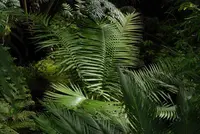
Its stiff, glossy leaflets have many parallel veins and a slightly keeled midrib, giving the frond a rigid, almost palm-like appearance that helps shed excess water in its humid, cloud-forest habitat.

Highly restricted wild range

Populations occur only in a limited area of the Sierra Madre Oriental in Mexico, and habitat loss has contributed to its listing as endangered on the IUCN Red List and inclusion in CITES Appendix I.

Botan icon

Did you know?

Ceratozamia mexicana is part of an ancient cycad lineage that dates back to the time of the dinosaurs, and its pollen and seed cones show structural features that have changed very little compared with fossil cycad relatives from the Mesozoic era.

FAQs about Cycad

Browning tips usually result from low humidity, accumulated fertilizer salts, or irregular deep watering. Check for compacted soil, flush the pot occasionally, and maintain stable indoor conditions to prevent further leaf damage on this slow-growing species.

Grow Healthy Plants with Botan Care

Keep your plants happy and healthy with plant identification, disease detection, and easy care guidance.

Botan plant care app — identify plants on mobile

Explore More Plants