Stabilize Heavy Caudex
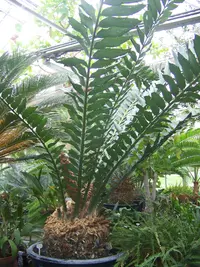
Position the plant so the caudex (thick stem base) sits slightly above the soil line and use a ring of coarse gravel around it to keep it stable and dry at the neck, which reduces rot risk as the plant gains weight.

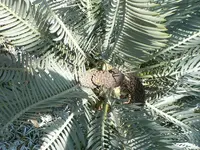
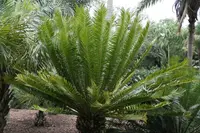
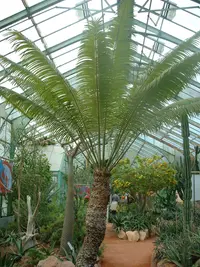
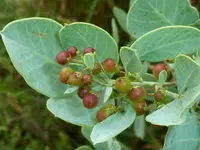
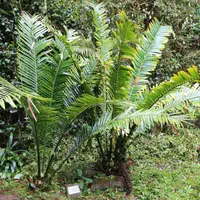
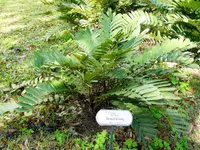
Karoo cycad (Encephalartos lehmannii) is a slow-growing, long-lived cycad with stiff, arching blue-green leaves arranged in a symmetrical rosette. It forms a woody trunk over time and has a distinctly architectural, sculptural look that suits dry gardens and container displays.
This species is native to arid regions of South Africa, where it is adapted to strong sun, well-drained rocky soils, and periodic drought. It grows slowly and can be challenging to source, but established plants are tough and resilient when given similar dry, bright conditions.
Gardeners who learn how to care for Karoo cycad usually find it reliable if protected from prolonged cold, heavy winter moisture, and poor drainage.

Care Difficulty
Moderate Care

Light Preference
Full Sun

Water Requirements
Low Water

Temperature Preference
Warm Climate

Hardiness Zone
9–11

Soil Texture
Sandy, Loamy, Rocky

Soil pH
Slightly acidic (6.5–7.0), Neutral (7.0)

Soil Drainage
Well-drained

Fertilization
Minimal (feed rarely)
Scan your plant to receive care tips personalized for your specific plant
Available on iOS and Android
This drought-tolerant cycad prefers strong light to full sun in most outdoor climates.
This cycad is highly drought-tolerant and prefers deep, infrequent watering.
This species thrives in warm, dry conditions and tolerates a wide temperature range once established.
This species handles typical indoor humidity well and rarely needs special adjustment.
Encephalartos lehmannii needs very fast-draining, mineral-rich soil to prevent root and caudex rot.
This cycad is suitable for long-term container growing if the pot supports its deep, slowly expanding root system.
This cycad benefits from light, controlled feeding but tolerates lean conditions similar to wild Karoo cycad plants.
Pruning needs for Encephalartos lehmannii are minimal and mainly cosmetic.
This slow-growing cycad dislikes frequent disturbance, so repotting or transplanting should be rare and deliberate.
Sexual propagation from seed is possible but slow, while vegetative propagation from offsets is more practical for home growers.
This South African cycad has moderate cold tolerance but benefits from targeted winter protection in cooler climates.

Plant Health Check
Not sure what's wrong with your plant? Check your plant's health inside the app.
This Karoo cycad develops stiff, sickle-shaped leaves with a strong bluish to bluish-green waxy coating that helps reflect intense sunlight in its arid native habitat of South Africa’s Eastern Cape and Karoo regions.
The species is naturally found on rocky, well-drained slopes in semi-arid shrublands, where it withstands high light, low rainfall, and large temperature swings by storing water and nutrients in its stout underground stem.
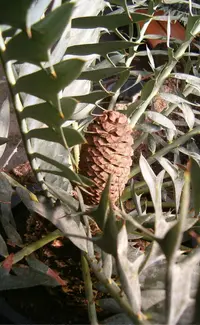
It produces separate male and female cones, and in nature its pollination is carried out by specific insects attracted to heat and scent released by the cones, an example of a highly specialized cycad–insect interaction.

This species is one of the most cold-tolerant South African cycads, with established plants in suitable dry soils known to survive brief light frosts that would severely damage many other cycads from warmer, more humid regions.
This species is very slow-growing, often adding only 2–5 new leaves a year and enlarging its trunk gradually. Expect noticeable size changes over several years rather than each season when growing Karoo cycad.
Keep your plants happy and healthy with plant identification, disease detection, and easy care guidance.