Madagascar cycad Care (Cycas thouarsii)

Also known as: Madagascar sago
Madagascar cycad

About Madagascar cycad

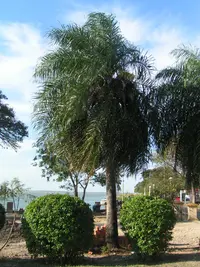
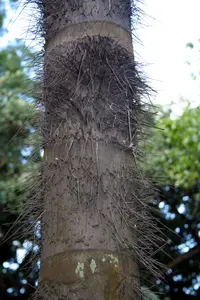
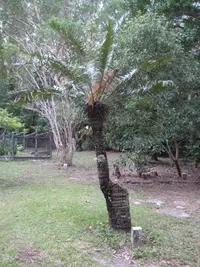
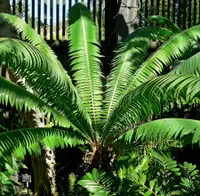
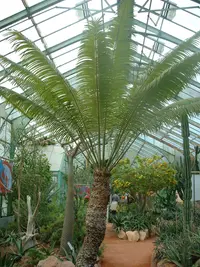
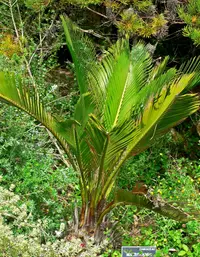
Madagascar cycad (Cycas thouarsii) is a slow-growing, long-lived cycad with a thick trunk and a crown of stiff, feather-like fronds. It resembles a small palm but is an ancient, more primitive plant group.

This species occurs naturally on Madagascar and nearby islands in coastal forests and scrub, often near sandy or rocky shores. It is generally robust but grows slowly, so damage or poor placement takes time to correct.

Light, warmth, and sharply drained soil are the main factors that influence how easy it is to keep healthy. Understanding these needs helps clarify how to care for Madagascar cycad in home or garden settings.

Main Plant Requirements

Care Difficulty

Moderate Care

Light Preference

Full Sun

Water Requirements

Moderate Water

Temperature Preference

Tropical / Frost Sensitive

Hardiness Zone

10–12

Soil Texture

Sandy, Loamy, Organic-rich

Soil pH

Acidic (5.5–6.5), Slightly acidic (6.5–7.0)

Soil Drainage

Well-drained

Fertilization

Minimal (feed rarely)

Get Personalized Care Plan

Scan your plant to receive care tips personalized for your specific plant

Available on iOS and Android

How to Care for the Madagascar cycad

This coastal cycad prefers bright, direct sun but adapts to slightly shadier sites with slower growth.

  • Provide 6–8 hours of direct sun daily; full sun is ideal in mild coastal climates where the Madagascar cycad naturally occurs.
  • In hotter inland areas, give morning sun with light afternoon shade or filtered light to reduce leaf scorch and yellowing.
  • In winter or overcast seasons, avoid moving plants abruptly from shade into full sun; increase light exposure gradually to prevent frond burn.

This species prefers evenly moist but not saturated soil and tolerates brief dryness once established.

  • Water only when the top 3–5 cm of soil are dry, then soak thoroughly so excess drains away from the root zone.
  • In summer, expect faster drying and more frequent watering; in cooler months, extend intervals as growth slows and evaporation decreases.
  • Watch for yellowing, soft fronds and a sour soil smell as signs of overwatering, while crisp leaflet tips and curling fronds suggest underwatering; adjust accordingly for Cycas thouarsii.

This tropical cycad prefers warm, frost‑free conditions with only minor seasonal fluctuation.

  • Aim for 70–86°F (21–30°C) during active growth for best root activity and new frond production.
  • Short dips to about 45–50°F (7–10°C) are usually tolerated, but repeated exposure below 40°F (4°C) can damage growing points.
  • It handles dry heat up to 95°F (35°C) if soil moisture is adequate, but protect from frost and cold winds, especially young or recently planted specimens.

This species prefers moderate humidity but usually adapts to typical indoor air if other conditions are stable.

  • Aim for 40–60% humidity; Madagascar cycad copes with brief dips lower if soil moisture is consistent.
  • Crisping leaflet tips or slow new growth can indicate air that is too dry for prolonged periods.
  • Increase humidity locally with a pebble tray or grouping plants rather than misting, which adds only short-term moisture.

Cycas thouarsii needs sharply draining, mineral-rich soil that never stays waterlogged.

  • Use a gritty, sandy or loamy mix with roughly 40–50% inorganic material such as coarse sand, pumice, or perlite for strong aeration.
  • Aim for slightly acidic to neutral pH, around 6.0–7.0, which supports nutrient uptake without risking toxicity.
  • Blend in a modest amount of composted bark or leaf mold to provide organic matter without making the mix heavy or compacted.
  • Avoid dense clay, peat-heavy, or constantly wet soils that limit oxygen around the roots and promote rot.

This species adapts well to container growing when given deep, very free-draining conditions.

  • Choose a tall, heavy container that resists tipping as the stiff fronds and trunk gain height and weight.
  • Select a pot with large, unobstructed drainage holes so water exits quickly and does not linger at the root zone.
  • Leave a few centimeters of space below the rim to allow thorough, slow watering without runoff that erodes the soil surface.

Moderate feeding supports steady growth of Cycas thouarsii without forcing soft, weak tissue.

  • Use a balanced slow-release fertilizer (for example 10-10-10) or well-rotted compost at the start of the growing season.
  • Feed every 8–10 weeks in spring and summer only, skipping late fall and winter.
  • Apply at 1/2–3/4 the label rate to avoid salt buildup around the roots.
  • Water deeply after feeding to move nutrients into the root zone and reduce burn risk.

Pruning needs of Cycas thouarsii are minimal and focus on cleanliness and safety rather than shaping.

  • Carry out pruning in late winter or early spring before strong new growth starts.
  • Remove only dead, yellowed, diseased, or storm-damaged fronds at the base using clean, sharp pruners or a saw.
  • Avoid cutting green, healthy fronds, as this reduces photosynthesis and can slow trunk development.
  • Trim old fruiting structures or spent cones if desired for tidiness and to reduce pest shelter.

Container-grown Cycas thouarsii dislikes frequent disturbance, so any repotting or transplanting should be deliberate and infrequent.

  • Check for crowded roots circling the pot, drainage holes blocked by roots, or clearly slowed growth before repotting.
  • Plan moves for late spring to early summer, when soil is warm and new root growth is active.
  • Expect to repot large container plants only every 4–6 years, stepping up just 5–10 cm in pot diameter each time.
  • Handle the root ball gently, keep the same planting depth, backfill with free-draining mix, then water thoroughly and shade for 1–2 weeks to limit stress.

Propagation of Cycas thouarsii is usually done from offsets rather than from seed in home settings.

  • Detach basal pups in late spring or early summer when they are firm, rounded, and at least 5–8 cm across.
  • Use a clean, sharp knife, dust cut surfaces with fungicide or powdered sulfur, and allow callusing for several days.
  • Plant offsets in a very free-draining mix, keep slightly dry, and provide bright, indirect light with warm temperatures (70–80°F).
  • Seed propagation is possible but slow; fresh seed, warmth, and consistent but not waterlogged moisture improve germination.

This tropical cycad has low frost tolerance and needs thoughtful winter protection in most temperate regions.

  • Keep outdoor plants in climates above about 40°F; prolonged exposure below this can damage fronds and stems.
  • Mulch the root zone with 5–10 cm of coarse organic material to buffer soil temperature and conserve moisture.
  • For container plants, move to a bright, cool indoor or greenhouse spot before the first light frost.
  • In marginal climates, wrap the crown loosely with breathable fabric during cold snaps, keeping material dry.

Care Tips

Secure trunk anchoring

Stake young plants with two or three sturdy stakes placed outside the root zone and tied with a soft, wide tie so the heavy crown cannot rock in the wind and damage new roots.

Protect emerging flush

When new fronds are unfurling, avoid handling them and shield the crown from strong wind or physical contact, since even light bending at this stage causes permanent distortion or breakage.

Baseline leaf count

Count and record how many healthy mature fronds the plant carries at the end of each growing season to track vigor over time and quickly notice decline from hidden root, rot, or nutrient problems.

Crown sanitation routine

Every few months, remove trapped debris such as fallen leaves from the crown and around the trunk base to improve airflow and reduce hiding spots for scale insects, mealybugs, and fungal spores.

Targeted pest scouting

Inspect the underside midrib of each frond and the leaf bases on the trunk every 2–4 weeks, using a hand lens if possible, so scale or mealybug colonies are found and treated very early when caring for Madagascar cycad.

Common Pests and Diseases

Scale insects

This pest feeds on sap along the fronds and rachis, often appearing as small brown or gray bumps and causing yellowing and decline of leaflets. Heavy infestations can weaken the plant and produce sticky honeydew that encourages sooty mold.

Solution

Remove heavily infested fronds and gently scrub remaining colonies with a soft brush and mild soapy water, then rinse thoroughly. For persistent problems, use a horticultural oil or systemic insecticide labeled for cycads, applied according to directions and repeated as needed to break the life cycle.

Mealybugs

These insects hide in leaflet bases and crown crevices, forming white cottony masses and sucking sap from tender tissues. Symptoms include distorted new growth, sticky honeydew, and sometimes black sooty mold on affected areas.

Solution

Physically remove visible clusters with cotton swabs dipped in alcohol, then wash the foliage and crown with a strong but gentle stream of water. In severe cases, apply horticultural oil or an insect growth regulator suitable for ornamentals, ensuring thorough coverage into crevices and repeating after 7–14 days.

Cycad aulacaspis scale

This pest is a highly damaging white armored scale that can cover both upper and lower leaflet surfaces, rachis, and even roots, leading to rapid yellowing and plant decline. Symptoms include densely encrusted fronds that may appear pale, mottled, and eventually brown and dry.

Solution

Cut and dispose of heavily infested fronds to reduce the population, then treat remaining tissue and soil surface with horticultural oil or a systemic insecticide specifically effective against armored scales. Monitor closely, treat all nearby cycads at the same time if possible, and repeat applications on schedule until new growth emerges clean, which is critical when growing Madagascar cycad in warm climates.

Sooty mold

This disease is a superficial black fungal growth that develops on honeydew excreted by sap-feeding insects like scale and mealybugs. Symptoms include a black, soot-like coating on fronds that can reduce photosynthesis and make the plant look dirty or unhealthy.

Solution

Control the underlying insect infestation first, then gently wash affected fronds with water and a small amount of mild soap to remove the fungal coating. Improve air movement and light exposure around the plant to help new growth stay clean and to discourage repeated outbreaks.

Leaf spot

This disease causes scattered brown to dark purplish lesions on leaflets, sometimes with yellow halos, which can coalesce and cause sections of the frond to die. Symptoms include reduced vigor and premature leaflet drop in humid or poorly ventilated conditions.

Solution

Remove and discard affected fronds to limit spore spread, avoid overhead watering, and water only at the soil level. In persistent or severe cases, apply a broad-spectrum fungicide labeled for ornamental cycads, and increase spacing and airflow around the plant to keep foliage drier.

Interesting Facts

Largest African cycad

This species is the largest native cycad in Africa, capable of developing a massive, palm-like trunk and a broad crown that dominates coastal forests in parts of Madagascar and East Africa.

Sea-dispersed seeds

Its large, buoyant seeds can float and survive in seawater, which is thought to have enabled the species to spread naturally across islands and coastal regions of the western Indian Ocean.

Habitat for epiphytes

Mature specimens often host epiphytic plants such as orchids and ferns in the leaf bases and crown, providing microhabitats that increase local plant diversity in coastal forests.

Botan icon

Did you know?

This species has a very ancient lineage and, like other cycads, retains reproductive structures that resemble those of early seed plants, so living individuals are often described by botanists as providing a window into plant evolution from more than 200 million years ago.

FAQs about Madagascar cycad

Growth is slow to moderate. In warm outdoor climates, trunks may extend about 5–15 cm per year, with faster leaf production in ideal conditions and very slow growth in containers or cooler regions.

Grow Healthy Plants with Botan Care

Keep your plants happy and healthy with plant identification, disease detection, and easy care guidance.

Botan plant care app — identify plants on mobile

Explore More Plants