


Root flare check
When potting or planting, keep the top of the caudex and root flare slightly above the soil line to reduce rot risk and allow easy inspection for soft spots or fungal issues.

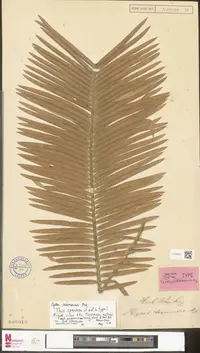
Cycas siamensis is a slow-growing cycad with a sturdy trunk and a symmetrical crown of stiff, feather-like leaves. It has an architectural look that suits both containers and outdoor plantings in warm climates.
This species is native to parts of Southeast Asia, where it grows in sunny, well-drained sites with a pronounced dry period. Its tough leaves and drought tolerance make it relatively resilient, but it dislikes waterlogged soil and deep shade.
Understanding how to care for Cycad starts with providing bright light, excellent drainage, and modest, consistent moisture without overwatering.

Care Difficulty
Moderate Care

Light Preference
Full Sun

Water Requirements
Moderate Water

Temperature Preference
Warm Climate

Hardiness Zone
9–11

Soil Texture
Sandy, Loamy, Rocky

Soil pH
Slightly acidic (6.5–7.0), Neutral (7.0)

Soil Drainage
Well-drained

Fertilization
Minimal (feed rarely)
Scan your plant to receive care tips personalized for your specific plant
Available on iOS and Android
This sun-loving cycad thrives with strong light but benefits from some protection in harsh climates.
This drought-tolerant species prefers infrequent, deep watering and free-draining soil.
This tropical cycad prefers warm, stable conditions and is sensitive to hard frost.
Cycas siamensis handles a wide humidity range but grows best with moderate air moisture.
Cycas siamensis prefers a sharply drained, mineral-rich mix that mimics sandy, rocky habitats.
This species is well suited to container growing when the pot is chosen to support its slow, heavy caudex and deep roots.
Cycas siamensis grows slowly and benefits from light, controlled feeding during the warm growing season.
Cycas siamensis needs minimal pruning, focused mainly on health and safety rather than shaping.
Transplanting or repotting Cycas siamensis is infrequent because of its slow growth and sensitive root system.
Cycas siamensis is usually propagated from offsets rather than seeds because seed germination is slow and specialised.
This subtropical species dislikes prolonged cold and needs some winter management in cooler regions.

Plant Health Check
Not sure what's wrong with your plant? Check your plant's health inside the app.
This species naturally occurs on exposed limestone outcrops in Thailand, often rooting in very shallow, alkaline, rocky soils where few other woody plants can persist.
Mature plants often develop stiff, arching leaves with a conspicuous bluish to blue‑green waxy bloom, a color tone that is noticeably stronger than in many related Cycas species.
Older individuals may form multiple heads from branching of the trunk apex, producing several compact crowns of leaves that give the plant a characteristic clumping, sculptural appearance in habitat and cultivation.

Cycas siamensis has been heavily collected from the wild for ornamental use, leading to local population declines and its listing under CITES Appendix II, so responsible growers now prioritize seed-grown, nursery-propagated plants when aiming to grow Cycas siamensis.
Yellowing usually comes from old fronds aging naturally, chronic overwatering, or nutrient imbalance, especially magnesium or nitrogen deficiency. Check drainage, avoid waterlogged soil, and consider a slow-release palm or cycad fertilizer to correct deficiencies.
Keep your plants happy and healthy with plant identification, disease detection, and easy care guidance.

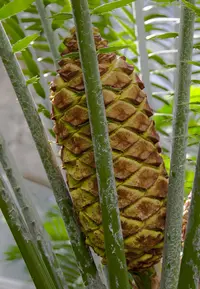
Kwango Giant Cycad
Encephalartos laurentianus
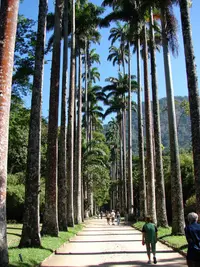
Imperial palm
Roystonea oleracea
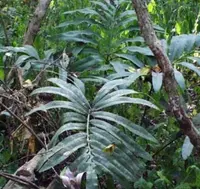
Natal grass cycad
Stangeria eriopus
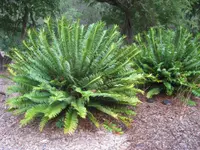
Natal giant cycad
Encephalartos natalensis
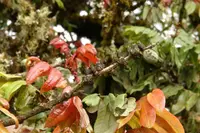
Alfaroa costaricensis
Alfaroa costaricensis

horse chestnut
Aesculus hippocastanum
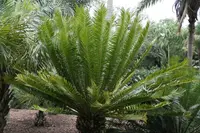
Kenyan Giant Cycad
Encephalartos tegulaneus
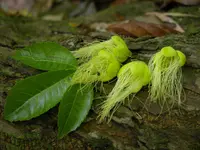
Caryocar costaricense
Caryocar costaricense