Caryocar costaricense Care

Caryocar costaricense

About Caryocar costaricense

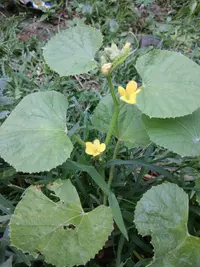
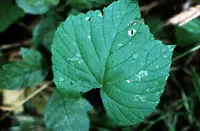
Caryocar costaricense is a tropical tree species native to Central America, especially Costa Rica and nearby regions. It typically grows as a medium to large evergreen tree in humid lowland forests. The tree carries dense, glossy compound leaves and produces clustered flowers followed by large, hard-shelled fruits. In its natural habitat it contributes to forest structure and provides food for wildlife. For cultivation, it is best suited to warm, frost-free climates or specialized collections. Limited horticultural experience makes how to care for Caryocar costaricense less straightforward than for common ornamental trees, and it is generally better suited to experienced growers who can match its natural rainforest-like conditions.

Main Plant Requirements

Care Difficulty

Hard Care

Light Preference

Partial Shade

Water Requirements

Regular Water

Temperature Preference

Tropical / Frost Sensitive

Hardiness Zone

11–12

Soil Texture

Loamy, Organic-rich

Soil pH

Acidic (5.5–6.5)

Soil Drainage

Moist but well-drained

Fertilization

Minimal (feed rarely)

Get Personalized Care Plan

Scan your plant to receive care tips personalized for your specific plant

Available on iOS and Android

How to Care for the Caryocar costaricense

This lowland tropical tree needs bright, stable light to support dense foliage and flowering.

  • Provide 6–8 hours of bright exposure daily, ideally with gentle morning sun and high, filtered light for the rest of the day in its native range of Caryocar costaricense.
  • Allow light partial shade at midday; strong afternoon sun in hot climates can scorch young leaves and dry the root zone too quickly.
  • In wetter or cloudy seasons, prioritize open, unobstructed sky exposure; in very bright, dry seasons, use taller trees or shade cloth to diffuse harsh overhead sun.

This species prefers consistently moist, well-drained soil that never stays waterlogged.

  • Water when the top 3–5 cm of soil feels slightly dry, aiming to moisten the root zone deeply rather than giving frequent shallow splashes.
  • Use soil with good drainage and organic matter; standing water, foul smell, yellowing leaves, or soft stems indicate overwatering and possible root rot.
  • In rainy seasons reduce or skip irrigation if soil stays moist, while in hot dry periods increase volume and monitor for wilting, dull foliage, or leaf edge crisping as signs of underwatering.

This tropical tree thrives in warm, frost-free conditions throughout the year.

  • Aim for 70–86°F (21–30°C) for active growth; stable warmth supports root activity and steady canopy development.
  • Protect from cold below 55°F (13°C); brief drops to 45–50°F (7–10°C) may be survived but can slow growth and stress young plants.
  • Avoid frost entirely, as freezing damages tissues, and provide light shade plus reliable soil moisture during hot spells above 90°F (32°C) to reduce heat stress and leaf scorch.

This species prefers consistently moist air and reacts to very dry conditions.

  • Aim for 60–80% humidity, using a humidifier or grouping plants if indoor air is below 50%.
  • Leaf edges browning, tip dieback, and slowed growth indicate humidity stress rather than underwatering.
  • Raise local humidity with a pebble tray under the pot and avoid placing Caryocar costaricense near heating or air-conditioning vents.

This tree needs deep, well-drained, organic-rich soil to support large, long-lived roots.

  • Use a loamy structure with 40–60% mineral soil (garden loam or sandy loam) and 40–60% organic matter such as composted bark or leaf mold.
  • Ensure excellent drainage by incorporating coarse sand or fine gravel plus chunky materials like pine bark to prevent compaction and waterlogging.
  • Target a slightly acidic to neutral pH around 6.0–7.0 and avoid strongly alkaline soils that can limit nutrient availability.
  • Avoid heavy, sticky clay, standing water, or thin rocky layers that restrict root penetration; improve aeration by double-digging and mixing in coarse organic material.

This species can be grown in large containers when young, but it requires careful attention to root space and stability.

  • Choose a very deep, heavy container to accommodate the developing taproot and to reduce the risk of the pot tipping in wind.
  • Use a wide, weighted base or place the pot in a stabilizing outer sleeve to counterbalance the tree’s eventual top-heavy canopy.
  • Select a thick-walled clay or concrete pot if outdoor, as these materials moderate moisture swings and add crucial weight for anchoring the plant.

This nutrient-demanding tropical tree benefits from careful, moderate feeding in cultivation.

  • Use a balanced slow-release fertilizer (around 10-10-10) or well-rotted compost mixed into the soil at the start of the warm growing season.
  • Apply granular slow-release every 3–4 months during active growth, following label rates rather than guessing quantities.
  • For container-grown Caryocar costaricense, supplement with a balanced liquid feed at 1/2 strength every 4–6 weeks.
  • Stop or greatly reduce fertilization in autumn and winter to avoid forcing weak, cold-sensitive growth.

Pruning this large tropical tree is mainly structural and hygienic rather than frequent fine shaping.

  • Carry out main pruning in late dry season or late winter, before vigorous new growth begins.
  • Remove dead, diseased, crossing, or storm-damaged branches first to maintain a safe, healthy canopy.
  • Thin congested inner branches to improve light penetration and air flow, keeping a strong central framework.
  • Use clean, sharp loppers or a pruning saw, making smooth cuts just outside the branch collar.

This canopy tree is usually grown in the ground, with transplanting focused on young nursery plants rather than mature Caryocar costaricense specimens.

  • Transplant young trees at the start of the rainy season or mild spring, when soil is moist and temperatures are stable.
  • Look for roots circling the pot, cracked containers, or stalled growth as signs the seedling has outgrown its nursery bag or pot.
  • Move into a hole or container only 1–2 sizes larger, keeping the root ball intact and at the same soil level.
  • Water thoroughly after planting, shade lightly for 1–2 weeks, and maintain even moisture to reduce transplant shock.

Propagation is typically done from seeds, which can be slow and demand warm, stable conditions.

  • Collect fully ripe fruits, extract seeds, and clean off remaining pulp to reduce mold risk.
  • Sow fresh seeds in late spring or early rainy season in a deep, well-drained mix kept at 75–85°F.
  • Provide bright, indirect light and consistent moisture; avoid waterlogging, which reduces germination and damages seedlings.
  • Use tall containers to accommodate the developing taproot and transplant very carefully once roots fill the pot.

This tropical species is frost-sensitive and needs protection in regions with cool or freezing winters.

  • In ground, add a 5–8 cm layer of organic mulch over the root zone before the coldest period, keeping it off the trunk.
  • Wrap young trunks with breathable frost cloth or burlap during predicted cold snaps.
  • Move container plants indoors or into a heated greenhouse when temperatures approach 40°F, ensuring bright light and reduced watering.

Care Tips

Early structural staking

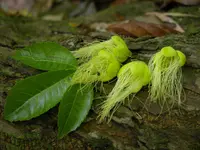
Install 2–3 sturdy stakes and soft ties while the tree is still young to train a single strong leader and prevent wind rock in the developing root system.

Wind-buffered placement

Site young plants behind a windbreak or temporary shade cloth barrier in exposed locations to reduce leaf shredding and stem breakage until the trunk has thickened.

Deep mulching ring

Maintain a 5–8 cm organic mulch ring extending at least 60–90 cm from the trunk, keeping mulch 5–8 cm away from the bark to moderate soil temperature and reduce competition from turf roots.

Progressive root space expansion

If container grown at first, step up pot size gradually and root-prune lightly at each shift to encourage a dense, fibrous root system before field planting and to make caring for Caryocar costaricense more predictable.

Wildlife and fruit management

Net or fence young trees in areas with heavy wildlife pressure and promptly collect fallen fruits to limit pest buildup and avoid excess fermenting material around the root zone.

Common Pests and Diseases

Leaf-chewing beetles

These insects feed on young foliage, leaving irregular holes and sometimes skeletonized leaves on saplings and understory plants. Damage is most common on new flushes of growth in forest-edge or plantation settings.

Solution

Hand-pick beetles in the early morning or evening and remove heavily damaged leaves on small trees. For larger or farmed trees, encourage natural predators and, if needed, use targeted foliar sprays based on neem or spinosad applied only to affected foliage, avoiding flowering periods to protect pollinators.

Scale insects

This pest attaches to stems and leaf undersides, sucking sap and causing yellowing, leaf drop, and weak growth, often accompanied by sticky honeydew and sooty mold. Infestations are more frequent on trees under stress or in low-airflow, humid planting sites.

Solution

Prune and destroy heavily infested twigs, then wipe or gently scrub remaining scales with a soft cloth or brush dipped in mild soapy water. In more severe cases, apply horticultural oil to thoroughly coat stems and leaf undersides, repeating at label-recommended intervals until new growth emerges clean; this is a core method in Caryocar costaricense care instructions for orchard situations.

Leaf spot

This disease causes small brown to dark purple spots on leaves that may enlarge, merge, and lead to partial defoliation in wet, shaded conditions. Symptoms include greater severity during prolonged rainfall or on trees planted with poor air movement.

Solution

Collect and remove fallen leaves, prune to open the canopy, and avoid overhead irrigation that keeps foliage wet for long periods. In high-value plantings, apply a copper-based or other appropriate fungicide at the start of wet seasons, focusing on new foliage and following all label safety directions.

Anthracnose

This disease leads to dark, sunken lesions along veins, on young shoots, and sometimes on fruit, especially under warm, humid conditions. Symptoms include distorted new leaves and dieback of tender growth when infection is severe.

Solution

Prune and destroy infected shoots, disinfecting tools between cuts, and improve spacing and airflow around the tree. During high-risk wet periods, protect young growth with preventative fungicide sprays labeled for anthracnose on tree crops, and ensure good nutrition so new leaves harden quickly and resist further infection.

Fruit borers

These insects tunnel into developing fruits, causing premature fruit drop, internal decay, and small entry holes that may ooze or darken. Damage is often noticed first as unexpectedly dropping or malformed fruit in managed stands or agroforestry systems.

Solution

Collect and destroy fallen and visibly damaged fruits to break the life cycle and reduce future infestations. Where pressure is high, use fine mesh bagging on selected fruits or pheromone and light traps to monitor and suppress adult moth or beetle populations, combined with spot applications of biological insecticides such as Bacillus thuringiensis on young fruits if label-approved for tree crops.

Interesting Facts

Narrow montane range

This species is native to a limited area of premontane and montane forests of Costa Rica and western Panama, where it grows mainly on moist slopes rather than in lowland rainforest.

Large, oil-rich seeds

The tree produces sizeable drupes with thick, woody walls and large seeds that are notably rich in oils, similar to some other Caryocar species known regionally for edible or useful oils.

Canopy and subcanopy tree

In its native habitat this species typically develops as a medium to large tree occupying the subcanopy to canopy layers, contributing to forest structure and providing shade and habitat for epiphytes and animals.

Botan icon

Did you know?

Caryocar costaricense is considered threatened in parts of its range due to habitat loss in Central American montane forests, and it is sometimes highlighted in regional conservation assessments as a species of concern tied to the preservation of cloud forest ecosystems.

FAQs about Caryocar costaricense

The large oily seeds are traditionally eaten and used for oil, while the pulp around them is sometimes consumed locally. Other parts of the tree are not typically eaten and should not be used as food.

Grow Healthy Plants with Botan Care

Keep your plants happy and healthy with plant identification, disease detection, and easy care guidance.

Botan plant care app — identify plants on mobile

Explore More Plants