Establish deep rootzone
During the first 2–3 years, apply water slowly over a wide radius around the trunk to encourage deep, lateral root growth that better supports this tall palm against wind.

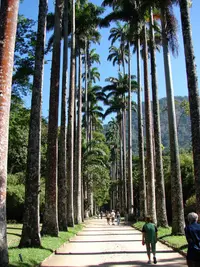
Roystonea oleracea, commonly called Imperial palm, is a large, fast-growing, single-trunk palm valued for its tall, straight silhouette and full, arching fronds. It is typically used as a landscape specimen rather than a container or indoor plant due to its eventual size.
The species is native to the Caribbean and northern South America, where it grows in warm, humid, lowland areas. It thrives in sun, regular moisture, and well-drained soil, and it resents cold or prolonged drought.
Because of its size and climate needs, it suits only frost-free, outdoor locations and is not practical for small spaces. Understanding these limits is essential to know how to care for Imperial palm successfully.

Care Difficulty
Hard Care

Light Preference
Full Sun

Water Requirements
Regular Water

Temperature Preference
Tropical / Frost Sensitive

Hardiness Zone
10–11

Soil Texture
Sandy, Loamy, Organic-rich

Soil pH
Acidic (5.5–6.5), Slightly acidic (6.5–7.0)

Soil Drainage
Moist but well-drained

Fertilization
Light (every 4–6 weeks)
Scan your plant to receive care tips personalized for your specific plant
Available on iOS and Android
This tall palm thrives in full sun but can tolerate some light shade, especially when young.
This palm prefers consistently moist, deep soil but does poorly in stagnant water.
This tropical palm needs warm, frost-free conditions for reliable growth and long-term survival.
This tall palm prefers moderately humid air but adapts to many outdoor conditions.
This species needs deep, well‑structured soil that drains freely yet holds some moisture.
This species is only suitable for temporary or juvenile container culture because it becomes very large and heavy.
Roystonea oleracea benefits from steady, moderate nutrition during its warm growing season.
Roystonea oleracea needs only light, corrective pruning to stay healthy and attractive.
This large palm is usually grown in the ground, so transplanting young specimens correctly is more important than frequent repotting.
Roystonea oleracea is almost always propagated from seed rather than by vegetative methods.
This tropical palm is frost-sensitive and needs thoughtful winter care in any climate with cool seasons.

Plant Health Check
Not sure what's wrong with your plant? Check your plant's health inside the app.
This species is considered one of the tallest of all true palms, with wild and landscape specimens commonly reaching 30–40 m and sometimes more in ideal tropical conditions.
Mature individuals often develop a prominent, swollen root or trunk base that forms a buttress-like flare, helping to stabilize the tall, slender stem in saturated or seasonally flooded soils.
In parts of the Lesser Antilles and nearby regions, this palm forms conspicuous, scattered emergent trees above the forest canopy, providing nesting and perching sites for birds and food resources through its abundant fruits.

In some Caribbean landscapes, historic avenues and estate entrances were planted almost exclusively with this species because its very tall, straight, gray-white trunks and high, symmetrical crown were used as a deliberate symbol of status and power, creating monumental palm alleys that are still culturally iconic today.
Growth is relatively fast in warm, frost‑free climates, often 30–90 cm per year once established. In suitable outdoor conditions it can eventually reach 15–30 m tall, forming a very tall, single‑trunked canopy tree.
Keep your plants happy and healthy with plant identification, disease detection, and easy care guidance.