Lacmellea panamensis Care

Lacmellea panamensis

About Lacmellea panamensis

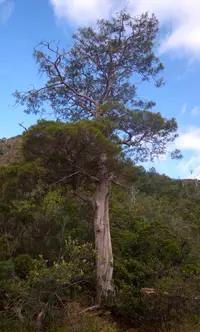
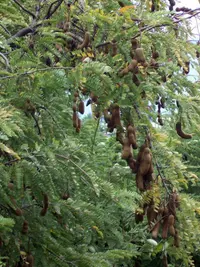
Lacmellea panamensis is an evergreen tree from lowland tropical forests of Central and northern South America. It belongs to the dogbane family, which often includes latex-bearing species. The tree typically has a straight trunk, smooth bark, and glossy green leaves, giving it a neat, architectural look in suitable climates.

In nature it forms a medium to tall canopy tree, sometimes with showy white flowers and small fruits that attract wildlife. Its tropical origin means it prefers warm temperatures, consistent moisture, and well-drained soil, so it can be challenging outside true tropics. Understanding how to care for Lacmellea panamensis starts with providing stable warmth, bright light, and protection from cold or drought stress.

Main Plant Requirements

Care Difficulty

Moderate Care

Light Preference

Partial Shade

Water Requirements

Moderate Water

Temperature Preference

Tropical / Frost Sensitive

Hardiness Zone

Unknown

Soil Texture

Loamy, Organic-rich

Soil pH

Acidic (5.5–6.5)

Soil Drainage

Moist but well-drained

Fertilization

Minimal (feed rarely)

Get Personalized Care Plan

Scan your plant to receive care tips personalized for your specific plant

Available on iOS and Android

How to Care for the Lacmellea panamensis

This tropical tree prefers bright, filtered light that mimics light beneath a forest canopy.

  • Provide 4–6 hours of bright, indirect light or light dappled shade; morning sun with afternoon shade suits Lacmellea panamensis well.
  • Allow partial shade, especially in hot climates, but avoid deep shade, which leads to sparse growth and fewer flowers or fruits.
  • Protect from harsh midday sun, which can scorch leaves; in summer, use overhead tree cover or shade cloth, and in winter maximize exposure to low-angle sun.

Watering should maintain steady, slightly moist soil without prolonged saturation.

  • Water when the top 3–5 cm of soil feels dry, applying enough to moisten the root zone but allowing excess to drain away.
  • Use deep, infrequent watering, then let the surface dry; in cooler months, reduce frequency as growth slows and evaporation drops.
  • Ensure well-drained soil to prevent root rot; signs of overwatering include yellowing, soft leaves, while underwatering shows leaf curl, dry edges, and slow growth.

This species thrives in warm, frost-free conditions typical of lowland tropics.

  • Aim for 70–86°F (21–30°C) during active growth, as stable warmth supports steady vegetative and root development.
  • Avoid temperatures below 55°F (13°C); brief dips to 50°F (10°C) may be tolerated but can slow growth and stress the plant.
  • Protect from frost at all times, and in heat above 95°F (35°C) provide extra shade and soil moisture to limit heat stress and leaf scorch.

This species prefers moderately humid air to mimic its native tropical understory conditions.

  • Aim for 50–70% humidity, as very dry indoor air slows growth and can cause leaf-edge browning.
  • It tolerates brief dips to 40%, but prolonged dry air may cause curled, dull leaves and stalled new growth.
  • Increase humidity with a nearby humidifier or grouped plants rather than misting, which has only a short-lived effect.

Provide a loose, moderately rich, fast-draining substrate similar to a well-structured tropical forest soil.

  • Use a mix of 40% peat or coco coir, 30% compost, and 30% perlite or pumice for structure and aeration.
  • Aim for slightly acidic to neutral pH, around 6.0–7.0, which supports balanced nutrient uptake.
  • Ensure water drains freely and the mix never stays waterlogged, as persistent saturation encourages root rot and low oxygen conditions.
  • Avoid heavy clay-based mixes or pure sand; both restrict fine root development and lead to erratic moisture levels for Lacmellea panamensis.

This species can adapt to container culture when the pot supports its eventual woody root system and height.

  • Choose a deep, weighty container that resists tipping as the trunk thickens and canopy becomes heavier.
  • Use a pot material with moderate porosity, such as thick-walled terracotta, to reduce sudden moisture swings while still allowing gas exchange.
  • Select a container shape that is wider at the base than the top to stabilize the plant as it gains height and mass.

This tropical tree benefits from light feeding when grown in containers or managed landscapes.

  • Use a balanced liquid fertilizer (around 10-10-10 NPK) at 1/2 strength every 4–6 weeks in spring and summer.
  • Alternatively apply a slow-release, balanced granular fertilizer at the start of the growing season.
  • Skip feeding in winter or any cool dormant period, especially for indoor plants.
  • On rich soils, rely mainly on compost or organic mulch and monitor growth before increasing nutrients.

Pruning Lacmellea panamensis is mainly done to maintain structure and remove problem growth rather than to control size heavily.

  • Carry out light pruning at the end of the dry season or late winter, before strong new growth starts.
  • Remove dead, diseased, crossing, or inward-growing branches with clean, sharp bypass pruners or a small saw.
  • Thin congested inner branches to improve airflow and light penetration, which supports healthier foliage.
  • Limit cuts to smaller branches where possible to preserve the natural form and reduce wound stress.

This species is usually grown as a landscape tree, so transplanting young plants correctly is more important than frequent repotting.

  • Transplant in warm, stable weather, avoiding periods of intense heat or drought to reduce stress.
  • Look for roots circling the pot or emerging from drainage holes as signals to shift a container plant to a larger size every 2–3 years.
  • Gently loosen pot-bound roots before planting and set the root flare at soil level in a wide, well-drained hole.
  • Water deeply after transplanting, then keep soil evenly moist and shaded for the first few weeks to support establishment.

Propagation of Lacmellea panamensis is typically done from seed under warm, stable conditions.

  • Collect fresh, ripe seeds and sow them soon after cleaning, as viability declines in storage.
  • Sow in a sterile, well-drained mix, keep at 75–85°F, and maintain consistent moisture without waterlogging.
  • Provide bright, indirect light and high humidity to support germination and early seedling growth.
  • Transplant seedlings carefully once roots hold the mix, avoiding disturbance of the young root system.

This tropical tree is frost sensitive and needs protection wherever temperatures drop near freezing.

  • In ground, add a 5–8 cm layer of organic mulch over the root zone, keeping it slightly away from the trunk.
  • Wrap young trunks with breathable frost cloth or horticultural fleece during cold snaps.
  • Move container-grown plants indoors or into a heated greenhouse before temperatures fall below 40°F.

Care Tips

Early structural pruning

While plants are still young, selectively tip-prune dominant leaders to encourage a balanced framework of 3–5 main branches, which reduces the risk of breakage and creates a stronger canopy as the tree matures.

Wind and stake management

In exposed sites, use 2–3 low, flexible stakes for the first 1–2 years to stabilize the trunk while still allowing some movement, then remove stakes gradually to promote a strong root system and self-supporting structure.

Mulch for root protection

Apply a 5–8 cm layer of organic mulch over the root zone, keeping it 5–8 cm away from the trunk, to buffer soil temperature, reduce weed competition, and maintain more stable moisture for fine feeder roots.

Preventing trunk damage

Install a breathable trunk guard or use temporary shade cloth on the southwest side of young trees in hot, open sites to reduce sunscald and bark cracking during the first few summers.

Monitoring for root stress

Check for subtle signs of root stress, such as reduced leaf size on new growth or slight canopy thinning, and respond by loosening compacted soil in the outer root zone with a garden fork rather than overwatering when caring for Lacmellea panamensis.

Common Pests and Diseases

Leaf-chewing caterpillars

This pest feeds on young leaves and shoots, leaving irregular holes and ragged edges on the foliage. Symptoms include rapid defoliation of tender growth, especially on seedlings or young plants grown under shade conditions.

Solution

Hand-pick caterpillars in the early morning or evening and remove heavily damaged leaves to reduce feeding pressure. Where infestations are persistent, use a targeted biological insecticide containing Bacillus thuringiensis (Bt) and encourage natural predators by avoiding broad-spectrum chemicals around the planting area when growing Lacmellea panamensis.

Scale insects

These insects attach to stems and the undersides of leaves as small, fixed bumps that exude sticky honeydew. This pest can cause yellowing, reduced vigor, and sooty mold growth on the sugary secretions.

Solution

Wipe stems and leaves with a soft cloth dipped in water mixed with a small amount of mild liquid soap, repeating weekly until populations drop. For heavier infestations, apply a horticultural oil spray that thoroughly coats stems and leaf undersides, ensuring the plant is well watered and not in direct hot midday sun at the time of treatment.

Anthracnose leaf spots

This disease causes small, dark, sunken spots on leaves that may coalesce into larger irregular lesions, often with a tan center and darker margin. In humid, shaded conditions, infected foliage can yellow and drop prematurely.

Solution

Prune and remove affected leaves and any fallen debris around the base of the plant to reduce inoculum, and avoid overhead watering to keep foliage as dry as possible. Improve air circulation by spacing plants properly and, if needed, use a copper-based or other labeled fungicide at the first sign of new spotting during warm, wet periods.

Colletotrichum stem canker

This disease produces sunken, dark cankers on young stems and twigs, sometimes girdling them and causing dieback of distal growth. Symptoms include wilting or sudden death of affected shoots while older stems remain healthy.

Solution

Cut back and discard infected stems well below visible cankers, sterilizing pruning tools between cuts with alcohol or a 10% bleach solution. Reduce moisture stress by keeping soil evenly moist but not waterlogged, improve drainage around the root zone, and in high-risk, wet conditions consider preventive fungicide sprays labeled for stem cankers on woody ornamentals.

Interesting Facts

Latex-rich sap

This species produces a thick white latex in its stems and leaves, characteristic of the Apocynaceae family, which helps seal wounds and deter many herbivores.

Neotropical forest tree

Lacmellea panamensis is a small to medium understory tree native to lowland rainforests of Central and parts of South America, where it grows in warm, humid, shaded habitats beneath taller canopy trees.

Showy white flowers

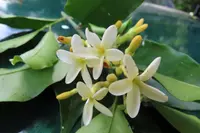
It bears tubular white flowers with a pleasant scent that attract nocturnal pollinators such as moths, an adaptation to the low-light conditions of dense tropical forest understories.

FAQs about Lacmellea panamensis

This species grows moderately, not rapidly. Young plants may add 15–30 cm per year in favorable tropical or warm subtropical conditions. Growth slows as the tree matures or if kept in a restricted container environment.

Grow Healthy Plants with Botan Care

Keep your plants happy and healthy with plant identification, disease detection, and easy care guidance.

Botan plant care app — identify plants on mobile

Explore More Plants