marolo Care (Annona crassiflora)

Also known as: araticum cortiça, araticum do cerrado, bruto
marolo

About marolo

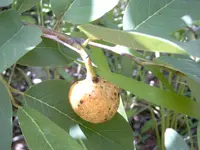
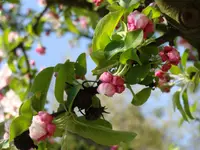
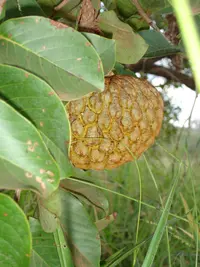
Marolo (Annona crassiflora) is a small to medium tree from the Brazilian Cerrado, a dry savanna ecosystem with well-drained, nutrient-poor soils. It is best known for its large, aromatic, yellow-brown fruits with soft, sweet pulp.

The tree has a rounded, somewhat irregular crown, thick, leathery leaves, and a deep root system adapted to drought and fire. Growth is relatively slow, so it is not a quick ornamental solution.

In cultivation, it prefers full sun, dry winters, and slightly acidic, sandy or gravelly soil with good drainage. These specific climate and soil requirements mean care for marolo is more successful in warm, frost-free regions or specialized collections.

Main Plant Requirements

Care Difficulty

Hard Care

Light Preference

Full Sun

Water Requirements

Moderate Water

Temperature Preference

Tropical / Frost Sensitive

Hardiness Zone

10–12

Soil Texture

Sandy, Loamy, Organic-rich

Soil pH

Acidic (5.5–6.5), Slightly acidic (6.5–7.0)

Soil Drainage

Well-drained

Fertilization

Minimal (feed rarely)

Get Personalized Care Plan

Scan your plant to receive care tips personalized for your specific plant

Available on iOS and Android

How to Care for the marolo

Annona crassiflora, commonly called marolo, requires strong light to fruit well in cultivation.

  • Provide full sun for 6–8 hours daily once established; young plants benefit from 3–5 hours of gentle morning sun plus bright, filtered light later.
  • Tolerates light partial shade, but extended shade reduces flowering and fruit set and leads to lanky, weak growth.
  • In very hot regions, protect from intense mid‑afternoon sun with light shade cloth or nearby taller plants to limit leaf scorch during summer.

Annona crassiflora prefers a distinct wet‑dry rhythm rather than constantly moist soil.

  • In the growing season, water when the top 3–5 cm of soil feel dry, aiming for deep, infrequent soakings that reach the root zone.
  • Choose well‑drained, sandy or loamy soil; standing water, sour smell, or yellowing, soft leaves indicate overwatering and poor aeration.
  • During the cool or dry dormant period, reduce watering sharply; dry, folding leaves and twig dieback signal prolonged drought stress.

This species is adapted to warm, seasonally dry climates with mild winters and hot summers.

  • Optimal growth occurs around 75–90°F (24–32°C); trees slow down noticeably below 65°F (18°C).
  • Avoid frost; brief drops to about 32°F (0°C) may burn leaves, while harder or repeated freezes can kill young plants.
  • Tolerates high heat up to 100–105°F (38–41°C) if soil moisture is adequate; mulch the root zone to buffer temperature swings and moisture loss.

This species prefers moderately high, stable humidity for healthy foliage and fruiting.

  • Aim for 50–70% humidity, as very dry air slows growth and can reduce flowering.
  • Watch for leaf edge browning, curling, or persistent bud drop as signs of low humidity stress in marolo.
  • Increase humidity outdoors with nearby mulch and grouped plantings, or indoors with a tray of water and pebbles under but not touching the pot.

Annona crassiflora needs very well-drained, slightly acidic to neutral, sandy or loamy soil to avoid root problems.

  • Use a mix such as 40% coarse sand, 30% loam or potting mix, and 30% fine gravel or perlite to keep structure open.
  • Aim for pH 6.0–7.0; amend alkaline soils with composted organic matter and avoid excess lime.
  • Improve drainage and aeration by planting on a slight mound or raised bed, especially in regions with heavy rain.
  • Avoid heavy clay, compacted sites, or spots where water stands after rain, as waterlogging encourages root rot.

This tree can be grown in containers when young or kept dwarf, but needs careful pot management for stability and drainage.

  • Choose a deep, wide container to accommodate a strong taproot and reduce the risk of tipping as the canopy enlarges.
  • Use a heavy, stable pot material such as thick terracotta or concrete to balance the top-heavy growth and wind exposure.
  • Ensure multiple large drainage holes and keep the pot slightly elevated on feet or blocks so water exits freely after irrigation.

Annona crassiflora benefits from modest, balanced nutrition, especially in poor soils when grown outside its native range.

  • Use a balanced slow-release fertilizer (around 10-10-10) or well-rotted compost at the start of the warm growing season.
  • Feed lightly 1–2 times per growing season, avoiding heavy applications that promote weak, lush growth.
  • Apply at half the label strength for young trees and water in well to limit root burn.
  • Reduce or stop feeding in the cool dormant period, as marolo growth naturally slows.

Pruning Annona crassiflora helps manage size, structure, and light penetration in the canopy.

  • Carry out main pruning at the end of the dry or cool season, just before active growth resumes.
  • Remove dead, diseased, or crossing branches first, then thin crowded interior shoots to improve airflow.
  • Shorten overly long or leaning branches to maintain a strong, balanced framework and stable shape.
  • Use sharp, clean bypass pruners or a saw, making smooth cuts just outside the branch collar.

Young Annona crassiflora plants may start in containers but usually perform best once transplanted to the ground.

  • Look for roots circling the pot drainage holes or noticeably slowed growth as signs a seedling needs more space.
  • Transplant during warm, settled weather in spring, when soil is workable and the risk of cold snaps is low.
  • Move to a hole slightly wider than the root ball, keeping the root flare at soil level and backfilling with well-drained soil.
  • Water deeply after transplanting, provide light shade and consistent moisture for 1–2 weeks, and avoid disturbing roots further.

Annona crassiflora is most often propagated from seed, which demands warmth and patience.

  • Sow fresh, cleaned seeds in late spring to early summer in a warm, bright location out of direct harsh sun.
  • Scarify the hard seed coat lightly and soak seeds for 12–24 hours to improve water uptake and germination speed.
  • Use a well-drained, sandy mix kept evenly moist at 75–85°F, as germination can be slow and irregular.
  • Transplant seedlings carefully once they develop several true leaves, minimizing root disturbance during potting up.

Annona crassiflora is a tropical to subtropical tree and is not suited to areas with freezing winters.

  • In ground, it is best grown only in frost-free climates; even light frost can damage young growth.
  • Apply a 5–8 cm organic mulch layer over the root zone, keeping it slightly away from the trunk base.
  • For container plants in marginal climates, move indoors or into a heated greenhouse before temperatures drop below 45°F.

Care Tips

Deep root training

During the first 2–3 years, water less often but in larger volumes to encourage deep root development, which helps the tree tolerate seasonal drought and anchor firmly in the soil.

Formative canopy shaping

In the early years, select 3–4 strong scaffold branches with wide angles and remove closely competing shoots once a year to build a balanced, open canopy that supports fruit weight and improves airflow.

Wind and stake management

For young trees in exposed sites, use 1–2 sturdy stakes placed upwind and attach the trunk with loose, flexible ties, then remove or loosen staking after 2–3 years once the trunk thickens and can stand unaided.

Mulch for nutrient cycling

Apply a 5–8 cm ring of coarse organic mulch such as wood chips or shredded bark outside the trunk flare to reduce weed competition, buffer soil temperature, and mimic the leaf-litter layer of its native habitat.

Flower and fruit thinning

On young or weak trees, remove a portion of flowers or very small fruits by hand so that remaining fruits develop better size and quality while the tree conserves energy for root and canopy growth, which is important when growing marolo in marginal climates.

Common Pests and Diseases

Fruit borer caterpillars

This pest attacks developing fruits, boring into the pulp and seeds, which leads to internal feeding damage, premature fruit drop, and reduced fruit quality. Symptoms include small entry holes, frass (sawdust-like excrement), and larvae hidden inside the fruit.

Solution

Remove and destroy infested fruits as soon as damage is noticed to break the life cycle, and regularly collect fallen fruits from the ground. For larger plantings, use light traps and pheromone or food-baited traps to monitor moth activity, and apply targeted biological insecticides containing Bacillus thuringiensis to young larvae before they fully penetrate the fruit, following label directions.

Fruit flies

These insects lay eggs in ripening fruits, and the hatching maggots feed on the pulp, causing soft, brown, watery areas and rapid decay. Symptoms include tiny oviposition punctures on the skin and collapsing fruit tissues.

Solution

Collect and destroy all fallen and visibly infested fruits to reduce breeding sites, and harvest fruits as they reach physiological maturity rather than leaving them overripe on the tree. In outdoor or orchard situations, use baited traps and protein lures to monitor and suppress populations, and consider fruit bagging with fine mesh around individual developing fruits to physically block egg‑laying.

Scale insects

These insects attach to twigs, branches, and sometimes leaves, sucking sap and weakening the plant, which can lead to yellowing foliage, poor growth, and twig dieback. This pest often produces honeydew that encourages sooty mold growth on leaves and fruit surfaces.

Solution

Prune and destroy heavily infested twigs to reduce populations, and gently scrub accessible branches with a soft brush and soapy water to remove scales and honeydew. For persistent infestations, use horticultural oil sprays during the cooler part of the day to smother scales, repeating as needed and ensuring thorough coverage of bark crevices while protecting beneficial insects when possible.

Anthracnose

This disease, caused by Colletotrichum fungi, produces dark, sunken lesions on leaves, young shoots, flowers, and fruits, particularly under warm, humid conditions. Symptoms include leaf spotting, blossom blight, and fruit blemishes that can expand and crack.

Solution

Prune out and dispose of infected twigs, mummified fruits, and heavily spotted leaves, and avoid overhead watering to keep foliage and flowers as dry as possible. Improve airflow by thinning crowded branches, and in high-pressure situations use protectant fungicides labeled for anthracnose on Annona relatives, applying preventively to young leaves and flower clusters when warm, wet weather is forecast.

Leaf spot (Cercospora)

This disease causes multiple small, circular to irregular brown or gray spots on leaves that may coalesce, leading to yellowing and premature defoliation, especially on lower and inner canopy leaves. Symptoms include thinning foliage and reduced vigor over time in humid climates.

Solution

Rake and remove fallen leaves regularly to limit fungal inoculum, and keep the canopy well ventilated through selective pruning to speed leaf drying after rain or irrigation, which supports better Annona crassiflora plant care. When needed, apply a copper-based fungicide or another labeled foliar fungicide at the first appearance of new spots, repeating during humid periods according to label intervals.

Interesting Facts

Cerrado specialist tree

This species is native to Brazil’s cerrado, a fire-influenced savanna, and develops a thick, corky bark that helps protect living tissues from frequent surface fires.

Large aromatic fruits

The tree produces large, rough-skinned fruits known locally as marolo, with a strongly aromatic, creamy pulp that is widely used in regional sweets, juices, and ice creams in Minas Gerais and neighboring areas.

Taproot and deep rooting

Seedlings form a strong taproot and deep root system, an adaptation that helps the plant access water in the dry season and tolerate the nutrient-poor, acidic soils typical of cerrado habitats.

Botan icon

Did you know?

The species is considered regionally vulnerable in parts of its native range because of habitat loss in the Brazilian cerrado, and some municipalities and local communities have created festivals and conservation initiatives centered around marolo to promote both its cultural value and the protection of remaining wild populations.

FAQs about marolo

Yes, this species can be grown in large, deep containers, especially in cooler climates. Use a sturdy pot, allow room for taproot development, and be prepared to up-pot as it enlarges and woodifies.

Grow Healthy Plants with Botan Care

Keep your plants happy and healthy with plant identification, disease detection, and easy care guidance.

Botan plant care app — identify plants on mobile

Explore More Plants