Root sucker management
Inspect the base regularly and remove unwanted root suckers with clean, sharp pruners to prevent a thicket and direct energy into a few strong stems for better flowering and fruiting.

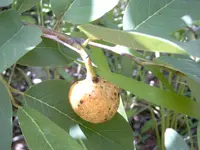
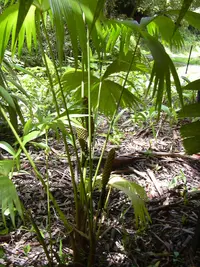
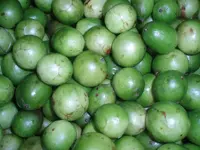
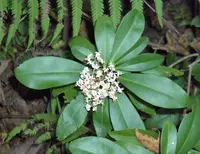
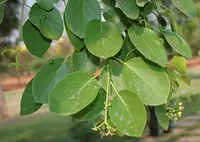
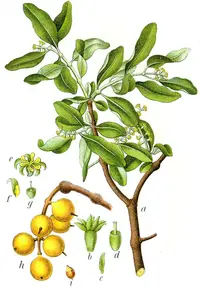
Wild custard-apple (Annona senegalensis) is a small deciduous tree or large shrub valued for its fragrant flowers and rounded, knobbly fruits. It typically has a bushy, multi-stemmed habit with soft green leaves that drop in the dry or cool season.
This species is native to savannas and open woodlands across tropical Africa, so it is adapted to heat, sun, and seasonal drought. In cultivation it prefers bright light, warm conditions, and well-drained, moderately fertile soil.
Its tolerance of poor soils and dry spells makes it relatively forgiving, but frost sensitivity and the need for consistent warmth can complicate how to care for wild custard-apple in cooler climates.

Care Difficulty
Moderate Care

Light Preference
Full Sun

Water Requirements
Moderate Water

Temperature Preference
Tropical / Frost Sensitive

Hardiness Zone
10–12

Soil Texture
Sandy, Loamy, Organic-rich

Soil pH
Acidic (5.5–6.5), Slightly acidic (6.5–7.0)

Soil Drainage
Well-drained

Fertilization
Minimal (feed rarely)
Scan your plant to receive care tips personalized for your specific plant
Available on iOS and Android
Annona senegalensis thrives in bright, direct light in warm, open sites.
This species prefers deep, infrequent watering with time for the soil to dry slightly between soakings.
This warm-climate shrub or small tree grows best in consistently hot to warm conditions.
Annona senegalensis prefers moderately dry air but benefits from slightly elevated humidity in hot indoor conditions.
Annona senegalensis grows best in light, well-aerated, mineral-based soil that never stays waterlogged.
This species can adapt reasonably well to container growing when the pot is chosen to support its woody root system.
Annona senegalensis benefits from modest feeding when grown in gardens or containers, especially in poor soils.
Pruning Annona senegalensis is mainly used to maintain structure, remove damage, and support healthy flowering and fruiting.
This species is more often field-grown, but young plants in containers or nursery bags need timely transplanting for strong root development.
Annona senegalensis is commonly propagated from seed, with vegetative methods used for more controlled selections.
This tropical to subtropical species is sensitive to freezing and needs protection in regions with cold winters.

Plant Health Check
Not sure what's wrong with your plant? Check your plant's health inside the app.
This species often resprouts from its rootstock after bushfires in African savannas, which helps it persist in fire‑prone habitats where many woody plants are killed.
The tree produces small, orange to yellow fruits that ripen at the end of the dry season in many regions, providing an important food source for local people and wildlife when other fruits are scarce.
In parts of West and East Africa, this species acts as a wild host plant for some crop insect pests, which has led to research on its role in integrated pest management strategies.

Annona senegalensis has been identified as a potential rootstock for grafting other Annona fruit species, because it shows good tolerance to drought and poor, sandy soils in many savanna regions.
The fruit is edible and widely eaten fresh when fully ripe, with a sweet, aromatic pulp. Seeds and bark are not eaten. Only harvest from correctly identified plants and avoid unripe, damaged, or spoiled fruits.
Keep your plants happy and healthy with plant identification, disease detection, and easy care guidance.