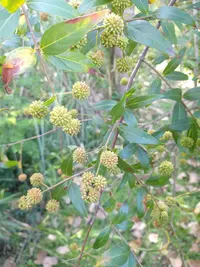
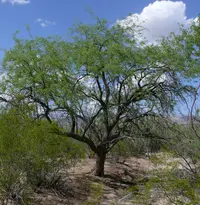
Marlberry Care (Ardisia escallonioides)

Marlberry

About Marlberry

Marlberry, Ardisia escallonioides, is an evergreen shrub or small tree native to coastal hammocks and pinelands in Florida, the Caribbean, and parts of Central America. It is often grown for its glossy dark green leaves, small white to pinkish flowers, and clusters of showy red to black berries that can persist for many months.

In gardens it tends to form a dense, upright shape, making it useful as a screen or specimen shrub. It is generally considered moderately easy to grow if its basic needs are met.

This species prefers bright light, consistent but not waterlogged moisture, and well-drained, slightly acidic soil. Understanding how to care for Marlberry starts with giving it stable conditions that mimic its native subtropical habitat.

Main Plant Requirements

Care Difficulty

Moderate Care

Light Preference

Partial Shade

Water Requirements

Moderate Water

Temperature Preference

Tropical / Frost Sensitive

Hardiness Zone

10–11

Soil Texture

Sandy, Loamy, Organic-rich

Soil pH

Acidic (5.5–6.5), Slightly acidic (6.5–7.0)

Soil Drainage

Moist but well-drained

Fertilization

Minimal (feed rarely)

Get Personalized Care Plan

Scan your plant to receive care tips personalized for your specific plant

Available on iOS and Android

How to Care for the Marlberry

This coastal shrub prefers bright, gentle light to fruit and flower well.

  • Provide 4–6 hours of morning sun with light afternoon shade; dappled light under taller trees suits Marlberry in hot climates.
  • Tolerates partial shade (as low as 2–3 hours of direct or flecked sun), but very dense shade reduces flowering and berry production.
  • Avoid harsh, all-day summer sun, which can scorch leaves; in winter, slightly more direct light is beneficial, especially in cooler regions.

This species prefers evenly moist, not soggy, soil once established.

  • Before watering, check the top 3–5 cm of soil; water when this layer feels dry but deeper soil is still faintly moist.
  • Use soil with good drainage and organic matter; water slowly so moisture penetrates the root zone without puddling around the base.
  • In hot, dry periods, expect more frequent watering and watch for drooping or dry leaf edges; yellowing leaves or blackened roots often indicate overwatering.

This native shrub prefers warm, frost-free conditions for reliable growth and fruiting.

  • Ideal growth occurs around 65–85°F (18–29°C), with steady warmth encouraging denser foliage and better flowering.
  • It tolerates brief drops to about 30–32°F (-1–0°C) but young plants and new growth can be damaged near freezing.
  • Prolonged exposure above 95°F (35°C) can stress plants; provide mulch and light shade in heat waves, and avoid planting in obvious frost pockets.

This species benefits from moderate to high humidity but stays healthy in many typical home conditions.

  • Aim for 40–60% humidity for Marlberry, with stable levels rather than frequent swings.
  • Dry indoor air can cause crispy leaf tips and marginal browning, especially near heating or AC vents.
  • Increase humidity with a nearby pebble tray or grouped plants, but avoid misting so foliage stays dry and disease risk remains low.

Ardisia escallonioides prefers slightly acidic, moist but sharply draining soil with plenty of organic matter.

  • Use a loose mix such as 2 parts loam, 1 part compost, and 1 part perlite or coarse sand for structure and drainage.
  • Aim for pH 5.5–6.5; avoid strongly alkaline substrates that can limit nutrient uptake and cause chlorosis.
  • Mix in fine pine bark to improve aeration around the roots and support gradual moisture release.
  • Avoid heavy clay, compacted ground, or pots that stay waterlogged, which quickly promote root rot.

This species grows reliably in containers when the pot is chosen to balance moisture retention and root space.

  • Choose a deep, heavy container to anchor the woody shrub and prevent tipping as it gains height and mass.
  • Select thick-walled clay or ceramic if extra evaporation is needed in hot climates, plastic in very dry or windy sites.
  • Drill or verify multiple drainage holes and elevate the pot slightly so excess water exits quickly and does not pool under the base.

Ardisia escallonioides benefits from light, balanced feeding but often grows acceptably in fertile native soil without supplements.

  • Use a balanced, slow-release fertilizer (such as 10-10-10) or thin compost layer in spring as new growth begins.
  • Apply granular or slow-release fertilizer every 6–8 weeks during the warm growing season if growth or foliage color looks weak.
  • Dilute any liquid feed to half strength to avoid root burn, especially in containers or young Marlberry plants.
  • Reduce or stop fertilization in late fall and winter when growth slows, particularly in cooler regions or indoors.

Ardisia escallonioides responds well to light, strategic pruning to maintain size, density, and health.

  • Carry out structural pruning in late winter or very early spring before strong new growth begins.
  • Remove dead, diseased, crossing, or storm-damaged branches first, using clean, sharp bypass pruners or loppers.
  • Thin crowded interior stems to improve light penetration and air flow, which supports better foliage and berry display.
  • Shorten overly long shoots to shape the canopy and encourage bushier side branching without heavy remodeling cuts.

This species is most often grown in the ground, so focus on thoughtful transplanting rather than frequent repotting.

  • Transplant in late winter to early spring when conditions are mild and soil is workable, avoiding peak heat or drought.
  • Look for signs such as slow growth, root circling in nursery containers, or the plant becoming unstable in its hole.
  • When moving to a new site, keep the root ball intact, water thoroughly beforehand, and shade temporarily to reduce stress.
  • Set at the same soil level in a well-drained spot, water deeply after planting, and mulch 5–8 cm to stabilize moisture.

Ardisia escallonioides is usually propagated by seeds or semi-hardwood cuttings under controlled conditions.

  • Collect ripe berries, clean seeds, and sow them in a moist, well-drained mix; germination may take several weeks to months.
  • Take semi-hardwood cuttings in late spring to summer, 8–12 cm long, removing lower leaves and keeping a few at the tip.
  • Dip cut ends in rooting hormone, then place in a sterile, airy medium under high humidity and bright, indirect light.
  • Maintain soil temperatures around 70–80°F and avoid waterlogging to limit rot and promote steady root formation.

This subtropical shrub is only moderately cold tolerant and needs planning in regions with freezing winters.

  • In the landscape, it generally tolerates brief light frosts but can suffer damage below about 25°F, especially when young.
  • Apply 5–8 cm of organic mulch around the root zone in fall, keeping it slightly away from the trunk.
  • Move container plants into a bright, cool indoor or sheltered space before the first hard freeze to prevent root injury.
  • In frost-prone areas, consider a wind-sheltered site and use breathable fabric covers during rare severe cold events.

Care Tips

Encourage Dense Form

Pinch or lightly tip-prune new shoots after flowering to encourage a fuller, bushier canopy and keep fruiting clusters closer to eye level for easier monitoring.

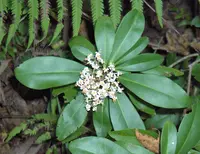
Fruit Load Management

If branches bend under heavy berry clusters, thin out some fruit by hand to reduce stress on limbs and improve the size and quality of the remaining berries.

Salt Exposure Control

In coastal areas, hose foliage with fresh water after storms or strong onshore winds to remove salt spray that can scorch leaves over time.

Targeted Mulch Strategy

Maintain a 5–8 cm ring of organic mulch over the root zone but keep it a few cm away from the trunk to stabilize soil moisture and reduce weed competition without inviting stem rot.

Wildlife And Seedling Control

Regularly remove unwanted seedlings that appear under fruiting plants and use wildlife-safe netting only during peak fruit drop if birds or small mammals become overly disruptive when growing Marlberry.

Common Pests and Diseases

Scale insects

This pest attaches to stems and leaf undersides, sucking sap and causing yellowing, leaf drop, and overall decline. Symptoms include small, dome-shaped bumps that may exude sticky honeydew, sometimes followed by sooty mold growth.

Solution

Prune and discard heavily infested twigs, then wipe remaining colonies with cotton pads dipped in 70% isopropyl alcohol or insecticidal soap, repeating weekly until controlled. For larger landscape plants, a labeled horticultural oil applied to thoroughly coat branches and leaf undersides is effective; maintain good plant vigor with proper watering to reduce reinfestation.

Sooty mold

This disease appears as a black, soot-like coating on leaves and stems that grows on the sugary honeydew excreted by sap-feeding insects such as scale. Symptoms include reduced photosynthesis and a dull, dirty appearance, but the fungus stays on the surface rather than inside the plant tissue.

Solution

Control the honeydew-producing insects first, then gently wash affected foliage with a soft cloth or spray of lukewarm water mixed with a mild, plant-safe soap to remove the fungal film. Improve airflow and light penetration through light pruning so leaves dry faster and stay cleaner over time, which supports long-term Ardisia escallonioides plant care.

Leaf spot

This disease causes small tan to dark-brown lesions on leaves that may enlarge, coalesce, and sometimes develop yellow halos. Symptoms include premature leaf drop, especially on lower or shaded foliage, under persistently moist conditions.

Solution

Remove and discard affected leaves and any fallen debris around the plant to reduce inoculum, then avoid overhead watering so leaves dry quickly. If leaf spots continue to spread in humid climates, apply a labeled copper or chlorothalonil fungicide according to directions and maintain good spacing and air movement around the shrub.

Nematode damage

This disease problem is caused by microscopic soil-dwelling roundworms that feed on roots, leading to stunted growth, sparse foliage, and poor fruiting in sandy soils. Symptoms include weak plants that wilt easily despite adequate water and may show reduced root mass when dug up.

Solution

Remove and discard severely affected plants and avoid replanting Marlberry in the same spot with other susceptible species; choose nematode-resistant or tolerant replacement plants if the site is heavily infested. Where practical, improve soil organic matter with compost and use a thick organic mulch to support beneficial organisms that naturally suppress nematode populations.

Spider mites

These insects are tiny sap-feeding arachnids that thrive in hot, dry conditions and often go unnoticed until foliage looks dull, stippled, or bronzed. Symptoms include very fine webbing on leaf undersides and between twigs, along with premature leaf drop in severe cases.

Solution

Spray leaf undersides thoroughly with a strong stream of water 2–3 times per week to dislodge mites, then follow with insecticidal soap or horticultural oil, making sure to cover all surfaces. Increase ambient humidity for container plants and reduce heat stress, since healthier, well-watered plants tolerate and recover from mite injury more readily.

Interesting Facts

Coastal hammock specialist

This species is naturally found in coastal hardwood hammocks and rockland forests of southern Florida and the Caribbean, where it tolerates salt-laden winds and alkaline, limestone-based soils better than many shrubs.

Bird-dispersed berry crop

Its shiny red berries are eaten by birds such as mockingbirds and catbirds, which disperse the seeds and help maintain populations in fragmented coastal habitats.

Evergreen leaf longevity

The plant holds its thick, glossy leaves year-round, and individual leaves can persist for multiple growing seasons, which helps it keep photosynthesizing through mild coastal winters.

Botan icon

Did you know?

In Florida, marlberry is considered a valuable native landscape shrub because it provides nectar for pollinators when in bloom and then a long-lasting winter berry display that supports resident and migrating birds at a time when other wild fruits are scarce.

FAQs about Marlberry

Lack of flowers is often linked to insufficient light, heavy pruning at the wrong time, or nutrient imbalance with too much nitrogen. Age matters too; young plants may need several seasons to start flowering reliably.

Grow Healthy Plants with Botan Care

Keep your plants happy and healthy with plant identification, disease detection, and easy care guidance.

Botan plant care app — identify plants on mobile

Explore More Plants