Progressive hardening off
Before planting outdoors in spring, gradually expose nursery or greenhouse plants to outdoor sun and wind over 7–10 days to reduce transplant shock and leaf scorch when growing Sandrose Mallow.

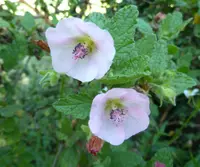
Sandrose mallow, Anisodontea scabrosa, is a shrubby perennial from South Africa, valued for its long-lasting display of hibiscus-like pink blooms. It usually forms a bushy, upright plant with fine, slightly toothed leaves and a light, open structure that suits small gardens and containers.
In mild climates it can flower for much of the year, especially when given steady light and regular light pruning. It prefers bright conditions, moderately fertile, well-drained soil, and protection from hard frost.
Overall, it is considered a relatively easy ornamental shrub, as long as moisture stress and severe cold are avoided. Gardeners looking to learn how to care for Sandrose Mallow usually focus on providing enough sun, avoiding waterlogging, and trimming to keep a balanced shape.

Care Difficulty
Moderate Care

Light Preference
Full Sun

Water Requirements
Moderate Water

Temperature Preference
Warm Climate

Hardiness Zone
9–11

Soil Texture
Sandy, Loamy, Organic-rich

Soil pH
Acidic (5.5–6.5), Slightly acidic (6.5–7.0)

Soil Drainage
Well-drained

Fertilization
Light (every 4–6 weeks)
Scan your plant to receive care tips personalized for your specific plant
Available on iOS and Android
This sun-loving South African shrub thrives with bright exposure and steady light levels.
This shrub prefers evenly moist but not saturated soil, with brief drying between waterings.
This species grows best in mild, frost-free climates with moderate seasonal variation.
Anisodontea scabrosa handles a fairly wide humidity range and usually does well in typical home air.
This shrub prefers light, fast-draining soil that stays slightly moist but never waterlogged.
This species is well suited to container growing outdoors on patios, balconies, or near sunny entrances.
Nutrient-rich but well-drained soil supports steady growth and flowering in Sandrose Mallow without heavy feeding.
Thoughtful pruning keeps Anisodontea scabrosa compact, flowering well, and free of damaged growth.
Moving Anisodontea scabrosa to a slightly larger space maintains root health and consistent flowering.
New Anisodontea scabrosa plants are most reliable from softwood or semi-ripe cuttings.
This shrub tolerates light frost but benefits from simple winter precautions in cooler climates.

Plant Health Check
Not sure what's wrong with your plant? Check your plant's health inside the app.
This species is native to the Western Cape of South Africa, where it grows as a small, woody shrublet in dry, rocky fynbos and scrub habitats exposed to strong sun and seasonal drought.
In mild climates it can flower almost continuously from late winter into autumn, producing small hibiscus-like blossoms that provide nectar for bees and other pollinating insects over an unusually long period.
The flowers show the classic mallow family structure, with a fused column of stamens around the style, but remain much smaller and more numerous than those of common garden hibiscus, giving the plant a fine-textured, airy appearance.

In its native range, this species often behaves as a short-lived perennial that regenerates readily from seed after fire, fitting the fire-adapted ecology of the fynbos vegetation where periodic burning is a natural part of the landscape.
Lack of flowers usually comes from insufficient light, heavy or nitrogen‑rich fertilization, or old, unpruned wood. Light pruning after main flushes and balanced fertilizer support better bud formation and extended flowering over the warm season.
Keep your plants happy and healthy with plant identification, disease detection, and easy care guidance.