Snowdrop Anemone Care (Anemonoides sylvestris)

Snowdrop Anemone

About Snowdrop Anemone

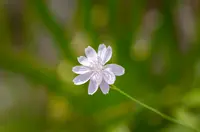
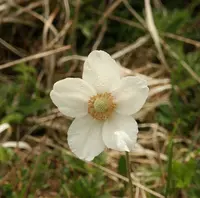
Snowdrop anemone (Anemonoides sylvestris) is a hardy, herbaceous perennial grown mainly for its early spring display of nodding, white, fragrant flowers. It forms loose clumps from creeping rhizomes, sending up slender stems above divided, soft green foliage.

This species is native to parts of Europe and Asia, often found in open woodlands and meadows, which hints at its preference for light shade and cool, moist, well-drained soil. Once established, it spreads steadily but is usually manageable in typical garden conditions.

Flowering reliability, cold tolerance, and low basic maintenance needs make it relatively easy to care for Snowdrop Anemone in temperate climates.

Main Plant Requirements

Care Difficulty

Easy Care

Light Preference

Partial Shade

Water Requirements

Moderate Water

Temperature Preference

Cold Hardy

Hardiness Zone

3–8

Soil Texture

Loamy, Silty, Organic-rich

Soil pH

Acidic (5.5–6.5), Slightly acidic (6.5–7.0)

Soil Drainage

Moist but well-drained

Fertilization

Minimal (feed rarely)

Get Personalized Care Plan

Scan your plant to receive care tips personalized for your specific plant

Available on iOS and Android

How to Care for the Snowdrop Anemone

This woodland perennial prefers bright but gentle light that mimics dappled forest conditions.

  • Provide 3–5 hours of morning sun with light or open shade in the afternoon to prevent leaf scorch, especially in warmer regions.
  • Plant Snowdrop Anemone where it receives partial shade or high, filtered light under trees; dense deep shade reduces flowering and results in weak, floppy growth.
  • In hot summers, increase shade from midafternoon onward, while in cooler climates a few extra hours of soft sun improve spring bloom quality.

This plant prefers evenly moist, cool soil that never stays waterlogged.

  • Water when the top 3–5 cm of soil feels dry, aiming for consistent moisture during active growth in spring and early summer.
  • Ensure soil drains freely; symptoms of overwatering include yellowing leaves and soft, rotting crowns, while drooping, dry foliage indicates underwatering.
  • Reduce watering as foliage declines in late summer or fall, allowing Anemonoides sylvestris to rest in slightly drier conditions without letting the soil fully bake.

This hardy perennial tolerates cold winters and cool summers best, with moderate warmth during active growth.

  • Optimal growing temperatures are about 55–70°F (13–21°C), which support steady leaf and flower development in spring and early summer.
  • Established clumps survive down to about -20°F (-29°C) when planted in the ground, especially with a 5–8 cm layer of mulch over the root zone.
  • In hot regions, plants struggle in extended heat above 85°F (29°C); provide shade and mulch to cool the soil and reduce stress during heat waves.

Humidity is rarely a concern for Anemonoides sylvestris in typical outdoor conditions.

Anemonoides sylvestris prefers loose, humus-rich soil that drains freely yet holds moderate moisture.

  • Use a loamy mix with 40–60% garden soil, 20–30% compost, and 20–30% sharp sand for structure and drainage.
  • Aim for slightly acidic to neutral pH around 6.0–7.0 to support nutrient uptake and root health.
  • In heavy clay, mix in coarse sand or fine gravel plus compost to improve aeration and reduce waterlogging.
  • Avoid compacted, airless ground or sites where water pools after rain, as this encourages root and crown rot.

This species can be grown in containers, but performance is often better in the ground.

  • Choose a pot at least 25–30 cm deep to give the spreading root system enough vertical and lateral space.
  • Use a heavy terracotta or clay container to reduce tipping as the clump expands and to moderate moisture swings.
  • Raise the pot on feet or bricks so drainage holes stay clear and excess water escapes quickly after rain or watering.

This woodland perennial needs only modest feeding to maintain healthy growth and flowering.

  • Apply a light top-dressing of compost or well-rotted leaf mold in early spring around the clumps.
  • Use a balanced, slow-release granular fertilizer (around 10-10-10) at half strength once in spring for Snowdrop Anemone.
  • Avoid high-nitrogen products, which encourage soft foliage over flowers and can cause weak, lanky growth.
  • Do not feed during summer dormancy or winter; extra nutrients at rest periods can stress the plant.

Pruning for Anemonoides sylvestris is minimal and mainly focused on tidiness and plant health.

  • In late spring or after flowering, use clean hand pruners to remove spent flower stems at the base.
  • Trim yellowing or damaged leaves during the growing season to reduce disease risk and keep clumps neat.
  • Cut back any crowded or sprawling stems lightly to maintain a compact, manageable shape.
  • At season’s end, shear off dead top growth once it has fully browned, leaving crowns undisturbed.

This species is usually grown in the ground, with transplanting done only when clumps outgrow their space or flowering declines.

  • Transplant in early spring or early fall, when temperatures are mild and soil is evenly moist.
  • Lift clumps carefully with a fork, keeping as much root and surrounding soil intact as possible to limit stress.
  • Replant divisions at the same depth in loose, humus-rich soil, spacing 20–30 cm apart for spread.
  • Water thoroughly after transplanting, then keep soil slightly moist for several weeks while roots re-establish.

Anemonoides sylvestris is commonly propagated by division, with seed used mainly for larger-scale or patient growers.

  • Divide established clumps in early spring or early fall, when growth is slow and conditions are cool.
  • Lift the plant, gently separate rhizomes or crowns, and replant divisions with several buds and healthy roots.
  • Keep newly divided sections in consistently moist, well-drained soil and partial shade until growth resumes.
  • Sow fresh seed outdoors in fall in a prepared bed or cold frame, allowing natural winter chilling for germination.

This hardy perennial usually needs little special winter care in temperate climates once established.

  • Tolerates typical garden frosts in USDA zones roughly 4–7, with dormant crowns surviving below freezing.
  • After hard frost, allow stems to die back, then remove them to reduce disease carryover.
  • Apply a 5–7 cm layer of leaf mold or bark mulch over the root zone in colder areas for extra insulation.
  • Move container-grown plants to a sheltered, unheated area where soil does not freeze solid for long periods.

Care Tips

Control Spreading Clumps

Insert a 20–25 cm deep root barrier or plant in a large bottomless container sunk into the bed to keep the rhizomes from invading nearby perennials while still allowing a natural colony to form.

Cool-Soil Mulching

Apply a 3–5 cm layer of shredded bark or leaf mold around, but not touching, the crowns each spring to keep the root zone cool, reduce weed pressure, and maintain more even soil moisture during warming weather.

Divide After Flowering

Lift and divide crowded clumps in late spring right after flowering, replanting vigorous sections at the original soil depth to maintain strong bloom and prevent the center of the colony from thinning out.

Bud-Stage Deadheading

For longer display, remove spent flower stems as soon as petals shatter but leave a few to set seed if gentle self-sowing is desired, which helps renew the planting over time.

Slugs And Wind Protection

In exposed or slug-prone sites, place low mesh fencing or copper tape barriers and provide a light shrub or fence windbreak so the delicate flowering stems stay upright and intact while caring for Snowdrop Anemone.

Common Pests and Diseases

Powdery mildew

This disease appears in crowded or shaded plantings, especially during warm, dry periods with poor air movement. Symptoms include white, powdery patches on leaves and flower stems that can cause distortion and reduced flowering.

Solution

Remove and discard the most affected leaves and any heavily infected stems, then thin crowded clumps to improve airflow and reduce humidity around the foliage. Water at soil level in the morning, avoid wetting leaves, and if needed apply a sulfur or potassium bicarbonate fungicide labeled for ornamentals, following the product directions carefully.

Leaf spot

This disease is favored by prolonged leaf wetness in spring and early summer. Symptoms include small brown or purplish spots on leaves that may enlarge, merge, and cause premature yellowing or dieback.

Solution

Cut off and dispose of affected leaves to limit spread, and keep irrigation directed at the soil rather than the foliage. Space plants so they are not overcrowded, remove plant debris in autumn, and if the problem recurs severely, use a copper-based or chlorothalonil fungicide according to label directions as part of broader Anemonoides sylvestris care instructions.

Aphids

These insects cluster on tender stems, buds, and the undersides of leaves, feeding on sap and weakening new growth. This pest can cause curling or distortion of foliage and may leave sticky honeydew that encourages sooty mold.

Solution

Wash colonies off with a firm stream of water, focusing on shoot tips and the undersides of leaves, and repeat every few days during outbreaks. Encourage natural predators such as lady beetles, and if populations remain high, use insecticidal soap or a light horticultural oil, ensuring thorough coverage of all infested parts.

Slugs and snails

These pests are attracted to the cool, moist, partially shaded conditions often used for this species. Symptoms include irregular holes in leaves and flowers, along with slime trails on soil or foliage.

Solution

Hand-pick slugs and snails in the evening or early morning and reduce hiding places such as dense mulch, boards, or pots resting directly on soil. Use iron phosphate slug bait around, but not touching, the clumps, and maintain slightly drier surface soil to make the area less attractive to them.

Interesting Facts

Woodland edge specialist

This species naturally occurs along sunny woodland edges and open forest glades in Europe and parts of Asia, forming loose colonies where tree cover is light and soil stays cool and moist.

Early-season nectar source

Its spring flowers open before the forest canopy fully leafs out, providing an important early nectar and pollen source for bees and other insects when few other blooms are available.

Distinctive woolly buds

Before opening, the flower buds and young stems are covered with fine, silky hairs that protect the developing tissues from cold spring nights and water loss.

Botan icon

Did you know?

In some parts of central and eastern Europe, this species has become locally endangered in the wild due to habitat loss and changes in traditional woodland management, despite being widely grown as an ornamental garden plant.

FAQs about Snowdrop Anemone

This species spreads steadily by rhizomes and self-seeding, forming loose colonies over time. It is not usually considered aggressively invasive, but in favorable conditions it can naturalize, so plan enough space and divide clumps when necessary.

Grow Healthy Plants with Botan Care

Keep your plants happy and healthy with plant identification, disease detection, and easy care guidance.

Botan plant care app — identify plants on mobile

Explore More Plants