gray goldenrod Care (Solidago nemoralis)

Also known as: Grey-stemmed goldenrod, Field goldenrod, old field goldenrod, wood goldenrod
gray goldenrod

About gray goldenrod

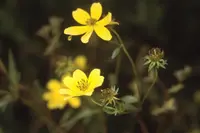
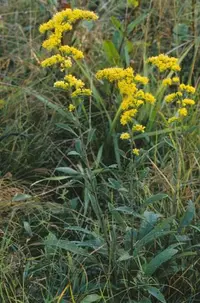
Gray goldenrod (Solidago nemoralis) is a small, clump-forming perennial wildflower in the aster family. It is native to much of North America, especially dry prairies and open, rocky sites. Plants form narrow, often arching stems topped with loose, one-sided sprays of tiny yellow flowers in late summer to fall, attracting many bees and other pollinators. Fine-textured, often grayish foliage gives the plant a soft, airy look and good contrast with broader-leaved companions. This species adapts well to poor, sandy, or gravelly soils and tolerates drought once established, which makes care for gray goldenrod relatively straightforward in sunny, well-drained garden spots.

Main Plant Requirements

Care Difficulty

Easy Care

Light Preference

Full Sun

Water Requirements

Low Water

Temperature Preference

Cold Hardy

Hardiness Zone

3–9

Soil Texture

Sandy, Loamy, Rocky

Soil pH

Acidic (5.5–6.5), Slightly acidic (6.5–7.0)

Soil Drainage

Well-drained

Fertilization

Minimal (feed rarely)

Get Personalized Care Plan

Scan your plant to receive care tips personalized for your specific plant

Available on iOS and Android

How to Care for the gray goldenrod

This sun-loving prairie perennial performs best with strong, direct light through the growing season.

  • Provide 6–8 hours of full sun daily; morning and midday sun support dense flowering and sturdy stems.
  • Tolerates light partial shade (3–4 hours sun), but gray goldenrod may stretch, lean, and produce fewer blooms under shadier conditions.
  • In hot southern climates, allow light afternoon shade to reduce leaf scorch, while in cooler regions prioritize full sun exposure from spring through early fall.

This drought-tolerant species prefers infrequent, deeper watering rather than frequent light applications.

  • Let the top 5–7 cm of soil dry before watering; in typical garden soil, this often means waiting until foliage just begins to lose slight turgor, then soaking the root zone.
  • Use well-drained, sandy or loamy soil so water does not pool around the crown, which increases risk of root rot and stem base decay.
  • During establishment in the first growing season, water when lower leaves start to droop; once established, withhold water unless prolonged drought causes widespread wilting.

This hardy perennial tolerates a wide temperature range typical of temperate North American climates.

  • Optimal active growth occurs around 65–80°F (18–27°C), which supports steady foliage development and strong flowering stems in open, sunny sites.
  • Established plants survive winter cold down to about -30°F (-34°C) in the ground, entering dormancy and resprouting once spring soil temperatures warm.
  • Handles summer heat up to 90–95°F (32–35°C) if roots are in well-drained soil; extended extreme heat with no rain may shorten bloom duration and increase leaf scorch.

This species is highly tolerant of dry conditions and does not require elevated humidity.

  • Target 30–50% humidity, which matches typical outdoor and indoor air in many homes.
  • Gray goldenrod tolerates short spells below 30% without damage, as long as soil is not kept overly dry.
  • If leaf tips brown and curl while soil stays evenly moist, increase humidity slightly by grouping pots outdoors or using a shallow pebble tray.

This species thrives in lean, well-drained mineral soils and dislikes consistently wet conditions.

  • Use sandy or sandy-loam soil with low to moderate organic matter to mimic its dry prairie and open woodland habitat.
  • Ensure very sharp drainage by mixing roughly 50–70% native mineral soil with 30–50% coarse sand or fine gravel.
  • Aim for slightly acidic to neutral pH around 6.0–7.2, avoiding strongly acidic or alkaline extremes that limit nutrient availability.
  • Avoid heavy clay, compacted, or peat-heavy mixes; improve aeration by adding coarse sand or small grit rather than water-holding peat moss.

This species can be grown in containers, though it performs best in large, stable outdoor pots.

  • Choose a deep, wide container to accommodate its spreading root system and reduce tipping from tall flower stalks.
  • Select a heavier material such as clay or concrete to stabilize the pot in windy, exposed sites.
  • Use a fast-draining mix and lift the container slightly on pot feet so excess water clears the drainage holes quickly.

Solidago nemoralis is a low-nutrient native that benefits from only light feeding in poor soils.

  • Use a thin layer of compost or a low-dose balanced NPK (such as 10-10-10) in early spring if growth is weak.
  • Apply slow-release fertilizer sparingly, no more than once per growing season on very lean sites.
  • Dilute liquid feeds to 1/2–1/4 strength to avoid overly lush, floppy growth.
  • Stop all feeding in late summer so stems harden before winter dormancy.

Pruning supports tidy growth and sustained flowering in Solidago nemoralis.

  • Cut back spent flower stalks in late fall or early spring to encourage dense new growth.
  • Remove dead, damaged, or diseased stems at the base using clean, sharp pruners.
  • Thin crowded shoots to improve air movement and reduce foliar disease risk.
  • Leave a few seed heads over winter if wildlife value or self-seeding is desired.

This species is more often transplanted in garden beds than kept long term in containers.

  • Transplant gray goldenrod in early spring or early fall when temperatures are mild.
  • Move clumps if growth declines, flowering decreases, or plants outgrow their space after 3–5 years.
  • Dig widely around the root zone, lift carefully, and replant at the same depth in well-drained soil.
  • Water thoroughly after transplanting and keep soil evenly moist for 1–2 weeks to limit root stress.

Solidago nemoralis is commonly multiplied by division and seed.

  • Divide mature clumps in early spring or early fall, keeping several shoots and roots per division.
  • Sow seeds on the soil surface in fall or late winter; natural chilling helps germination.
  • Provide full sun, well-drained soil, and light, consistent moisture for young plants.
  • Label planting areas, since small seedlings can resemble other meadow species.

This prairie perennial is cold hardy and usually needs minimal winter care in the ground.

  • Plants tolerate frost and freezing once established in well-drained soil.
  • Leave dry stems standing over winter for wildlife habitat and crown insulation.
  • In colder zones, apply a 5–7 cm mulch layer after the ground cools, keeping mulch off crowns.
  • Container-grown plants benefit from moving to a sheltered, unheated but frost-free spot.

Care Tips

Thin Seedlings

If plants self-sow densely, thin seedlings to 20–30 cm apart in spring to reduce competition, improve airflow, and lower the risk of foliar disease.

Cut For Bushiness

When stems reach 20–30 cm tall, lightly pinch or cut back the top 5–10 cm of growth to encourage branching and a fuller, more floriferous clump.

Staggered Deadheading

Remove spent flowering stems in stages instead of all at once to prolong bloom display while still limiting unwanted self-seeding.

Late-Season Support

In windy or exposed sites, place low, unobtrusive ring supports or short stakes around clumps in early summer to prevent lodging when stems are heavy with flowers.

Habitat Strip Management

When caring for gray goldenrod in naturalized borders or meadow strips, mow or cut back surrounding grasses only once in late winter to favor its regrowth while maintaining habitat for beneficial insects.

Common Pests and Diseases

Goldenrod gall fly

This pest causes round or oval swellings on stems where larvae feed inside the plant tissue. Symptoms include thickened stems, slowed growth, and occasional lodging of tall stalks.

Solution

Cut off and destroy galled stems in late fall or winter before adult flies emerge, focusing on plants that showed galls during the growing season. Leave unaffected stems for seed and pollinators, and avoid using broad-spectrum insecticides so natural predators and parasitoid wasps can keep gall fly numbers in balance.

Goldenrod bunch gall midge

This pest triggers tight, clustered rosettes of small leaves at stem tips, giving shoots a broom-like or bunchy appearance. Growth at affected tips usually stops, though lower parts of the plant often remain healthy.

Solution

Prune out and discard bunchy, rosetted shoot tips as soon as they are noticed, cutting several cm below the distorted growth. Remove and destroy pruned material away from the planting area to reduce overwintering larvae, and encourage plant vigor with full sun and well-drained soil so unaffected stems can compensate.

Rust

This disease appears as yellow to orange powdery pustules on leaf undersides and small yellow spots on upper surfaces. Heavily affected leaves may yellow early and drop before the end of the season.

Solution

Remove and discard heavily infected leaves and plant debris at the end of the season to reduce the rust spores that overwinter on plant material. Improve air circulation by avoiding overcrowding, water at soil level instead of overhead, and if rust is severe year after year, consider removing the most affected clumps and replanting with more resistant native perennials nearby.

Powdery mildew

This disease shows up as white to gray, powdery patches on leaves and stems, usually in late summer when nights are cool and humidity is high. Symptoms include dull, faded foliage and reduced vigor but rarely plant death.

Solution

Increase spacing between plants and thin dense stands so air moves freely through the foliage, and water in the morning at ground level to keep leaves dry. Remove the most affected leaves or stems and dispose of them, and if powdery mildew is chronic, consider relocating plants to a sunnier, breezier spot as part of Solidago nemoralis care.

Interesting Facts

Late-season pollinator magnet

Gray goldenrod produces nectar-rich flower clusters from late summer into fall, supporting native bees, wasps, butterflies, and beetles when many other wildflowers have finished blooming.

Compact prairie specialist

Compared to many other goldenrods, gray goldenrod stays relatively short and often grows on dry, open, nutrient-poor soils such as prairies, glades, roadsides, and sandy banks.

Host for specialist insects

This species serves as a host for several goldenrod-specialist moths and gall-forming insects, which feed on its tissues and in turn provide food for birds and predatory insects.

FAQs about gray goldenrod

This species spreads by seed and short rhizomes, forming clumps that can slowly enlarge. In garden settings it is usually manageable, not a rampant spreader. Deadheading before seed set helps limit self‑sowing near beds and paths.

Grow Healthy Plants with Botan Care

Keep your plants happy and healthy with plant identification, disease detection, and easy care guidance.

Botan plant care app — identify plants on mobile

Explore More Plants