flat-top goldentop Care (Euthamia graminifolia)

Also known as: flat-topped goldenrod, grass-leaved goldenrod
flat-top goldentop

About flat-top goldentop

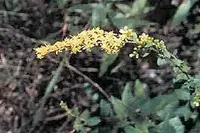
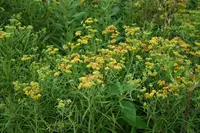
Flat-top goldentop (Euthamia graminifolia) is a hardy, clump-forming perennial wildflower in the aster family. It produces slender, grassy leaves and flat-topped clusters of many small yellow flowers.

This species is native to North America and is commonly found in meadows, roadsides, and open, moist fields. It tends to spread where conditions are suitable, forming dense patches that support pollinators.

The plant prefers full sun, moderately moist to seasonally damp soils, and tolerates poor or sandy substrates. Once established, it is relatively low-maintenance, so learning how to care for flat-top goldentop mainly involves managing its spread and providing enough light.

Main Plant Requirements

Care Difficulty

Easy Care

Light Preference

Full Sun

Water Requirements

Regular Water

Temperature Preference

Cold Hardy

Hardiness Zone

3–9

Soil Texture

Sandy, Loamy, Silty

Soil pH

Acidic (5.5–6.5), Slightly acidic (6.5–7.0)

Soil Drainage

Moist but well-drained

Fertilization

Minimal (feed rarely)

Get Personalized Care Plan

Scan your plant to receive care tips personalized for your specific plant

Available on iOS and Android

How to Care for the flat-top goldentop

This sun-loving North American perennial thrives in open, bright sites with long daily light exposure.

  • Provide full sun for 6–8 hours/day; flat-top goldentop flowers and branches best in unobstructed exposure.
  • Plant in a spot that gets strong morning sun and only light afternoon shade in very hot climates to reduce leaf scorch and moisture stress.
  • In partial shade (3–5 hours/day), plants grow taller and looser, with fewer blooms; avoid deep shade, which leads to weak, floppy stems and sparse flowering.

This species prefers consistently moist, well-drained soil but tolerates short dry spells once established.

  • Water when the top 3–5 cm of soil feels dry, aiming for slightly damp, not saturated, conditions around the root zone.
  • During hot, windy periods, increase watering frequency, watching for wilting, dull foliage, or premature leaf drop as signs of drought stress in Euthamia graminifolia.
  • Ensure soil drains freely; yellowing lower leaves, soft stems, or a sour soil smell indicate overwatering or waterlogged conditions that can promote root rot.

This hardy perennial tolerates a broad temperature range typical of temperate North American climates.

  • Active growth is strongest around 65–80°F (18–27°C), supporting sturdy stems and reliable late-season flowering.
  • Dormant roots survive winter cold down to about -20°F (-29°C) with mulch; top growth dies back after hard frost but regrows in spring.
  • Plants handle summer heat up to 90–95°F (32–35°C) if soil moisture is maintained; prolonged extreme heat with drought can stunt growth and reduce flower production.

Humidity is not a major factor for this hardy species in typical outdoor conditions.

This species prefers moderately moist, well-drained mineral soils but adapts to several textures if drainage is reliable.

  • Use loamy or sandy soil with some organic matter so roots receive both moisture and air.
  • Aim for slightly acidic to neutral pH around 6.0–7.0, which suits most Euthamia graminifolia populations.
  • Blend garden soil with compost and coarse sand or fine gravel to enhance drainage and aeration, especially in heavy sites.
  • Avoid compacted clay or spots that remain waterlogged after rain, as this encourages root decline and stem dieback.

This species can be grown in containers, mainly for patios or small outdoor spaces.

  • Choose a deep, heavy pot to counter the tall, bushy top growth and prevent tipping in wind.
  • Use a stable, outdoor potting mix that drains quickly yet holds enough moisture to keep the root zone evenly damp.
  • Position the container where runoff cannot pool under it, so drainage water fully escapes and roots stay aerated.

This hardy native wildflower, also known as flat-top goldentop, usually needs little fertilizer in average garden soil.

  • If growth is weak in poor soil, use a balanced slow-release fertilizer (such as 10-10-10) at planting in spring.
  • Alternatively, mix a thin layer of compost into the topsoil once in early spring.
  • Avoid midsummer and late-fall feeding to prevent lush, floppy growth and winter damage.
  • Use fertilizers at half the label rate to reduce nutrient runoff and excessive vegetative growth.

Pruning Euthamia graminifolia helps manage height, maintain a tidy clump, and support flowering.

  • Cut back dead stems to ground level in late winter or very early spring before new shoots emerge.
  • During the growing season, remove damaged or lodging stems with clean hand pruners to improve air flow.
  • Lightly shear or pinch back tall stems in late spring to encourage bushier, shorter growth.
  • Deadhead spent flower clusters if seed spread is not desired, focusing on the top portions of stems.

This species is most often grown in the ground, so care focuses on dividing and transplanting established clumps rather than routine repotting.

  • Plan division and transplanting for early spring or early fall when temperatures are mild and soil is workable.
  • Lift clumps with a spade, then gently separate sections, keeping several healthy shoots and a good root mass per division.
  • Replant divisions at the same depth in well-drained soil, firming gently and watering thoroughly to settle roots.
  • In containers, move plants only when roots circle the pot or growth declines, stepping up 1 pot size to limit stress.

Propagation of Euthamia graminifolia is straightforward through division, seeds, or soft, non-woody cuttings.

  • Divide mature clumps in early spring or early fall, replanting vigorous sections into moist, well-drained soil.
  • Sow ripe seeds outdoors in fall or early spring; natural cold exposure helps break dormancy and improve germination.
  • Take soft stem cuttings in late spring to early summer, then root in a bright, warm spot using moist, free-draining medium.
  • Keep all new divisions and cuttings evenly moist, not waterlogged, until strong new roots and shoots develop.

This perennial is cold hardy across much of its native range and generally needs minimal winter care outdoors.

  • After hard frost, leave dead stems standing for wildlife, or cut back to ground level in late winter.
  • In colder zones or exposed sites, apply a 5–7 cm mulch layer around the root zone after the ground cools.
  • Container-grown plants benefit from moving pots to a sheltered, unheated spot to reduce freeze–thaw stress on roots.

Care Tips

Managed clump spread

Lift and divide older clumps every 3–4 years in early spring, replanting only the most vigorous outer sections to prevent overcrowding and maintain strong flowering stands.

Targeted staking rows

In windy or exposed sites, run a low twine line between short stakes along each row before stems reach 30–40 cm tall to keep plants upright without individual staking later in the season.

Wildlife-friendly deadheading

If reseeding is a concern, cut back most seed heads as they fade but leave a portion of late-season heads for birds and beneficial insects, balancing self-sowing with habitat value.

Strategic edge placement

Plant along ditches, rain garden edges, or the back of sunny borders where occasional seasonal moisture or runoff occurs, as this positioning matches its natural habitat and reduces maintenance.

Selective volunteer control

Mark and keep only well-placed seedlings in spring and remove the rest when still small, which allows easy shaping of drifts while still growing flat-top goldentop as a loose, naturalistic colony.

Common Pests and Diseases

Rust fungi

This disease causes small yellow to orange pustules on the undersides of leaves and can lead to premature leaf drop in dense, moist stands.

Solution

Remove and destroy heavily infected foliage, avoid overhead watering, and thin or divide crowded clumps to improve airflow; in severe recurring cases, a labeled sulfur or chlorothalonil fungicide can be used according to directions.

Powdery mildew

This disease produces a white, powdery coating on leaves and stems, especially in late summer when nights are cool and humidity is high.

Solution

Increase spacing and sun exposure, water at soil level rather than on foliage, remove badly affected stems, and if needed apply a labeled potassium bicarbonate or neem oil product at the first sign of infection.

Leaf spot

Symptoms include small brown to purple spots that can merge into larger blotches, sometimes with yellow halos, leading to thinning foliage late in the season.

Solution

Collect and destroy fallen leaves, avoid prolonged leaf wetness, and rotate plantings if grown in production beds; where leaf spot is persistent, use a copper-based or chlorothalonil fungicide early in the season following label guidance as part of broader Euthamia graminifolia care.

Aphids

These insects cluster on young stems and flower buds, sucking sap and causing distortion, sticky honeydew, and sometimes sooty mold growth.

Solution

Dislodge colonies with a strong stream of water, encourage or introduce natural predators such as lady beetles, and if populations remain high use insecticidal soap or a light horticultural oil, making sure to cover stems and the undersides of leaves.

Leafhoppers

These insects feed by piercing and sucking plant juices, causing small white stippling, yellowing, and sometimes transmitting leafhopper-borne pathogens that weaken the plant.

Solution

Reduce nearby tall weeds that harbor leafhoppers, use floating row covers on young nursery stock if needed, and apply insecticidal soap or pyrethrin-based products in the evening when monitoring shows frequent leafhoppers on foliage.

Interesting Facts

Late-season pollinator magnet

Flat-top goldentop produces dense clusters of small yellow flowers from late summer into fall, providing nectar and pollen when many other native plants in eastern North America have already finished blooming.

Moist-soil specialist

This species naturally favors damp habitats such as wet meadows, marsh edges, and ditches, and often indicates soils that remain moist or periodically flooded but not permanently waterlogged.

Often mistaken for goldenrod

Flat-top goldentop is frequently confused with some goldenrod (Solidago) species, but it can be distinguished by its flat-topped flower clusters and narrow, grasslike leaves, which is reflected in the name graminifolia, meaning grass-leaved.

Botan icon

Did you know?

Flat-top goldentop can form extensive clonal patches through creeping rhizomes, allowing a single genetic individual to occupy a large area and stabilize disturbed or erosion-prone soils along roadsides and wetland margins.

FAQs about flat-top goldentop

This species spreads by both seed and creeping rhizomes, so it can form large colonies over time. In managed beds, control spread by deadheading spent flowers, lifting unwanted shoots, and using edging or root barriers where necessary.

Grow Healthy Plants with Botan Care

Keep your plants happy and healthy with plant identification, disease detection, and easy care guidance.

Botan plant care app — identify plants on mobile

Explore More Plants