


Regular Pinch Harvesting
Pinch out soft shoot tips every 1–2 weeks during active growth to keep plants compact, encourage dense leaf production, and provide a steady harvest of young edible shoots.


Sessile joyweed (Alternanthera sessilis) is a low, spreading herb often grown as a groundcover or edging plant in warm climates. It has small, opposite leaves that range from green to reddish-purple, depending on the variety.
This species is native to tropical and subtropical regions of Asia, Africa, and the Americas, and commonly grows in moist, low-lying areas and along waterways. It tends to establish quickly, which makes it easy to grow but sometimes locally invasive outdoors.
Sessile joyweed prefers warm temperatures, consistent moisture, and fertile, well-drained soil, and it tolerates full sun to light shade. Understanding how to care for sessile joyweed helps prevent it from becoming weedy while keeping plants dense and healthy.

Care Difficulty
Moderate Care

Light Preference
Full Sun

Water Requirements
Aquatic

Temperature Preference
Tropical / Frost Sensitive

Hardiness Zone
10–12

Soil Texture
Loamy, Silty, Organic-rich

Soil pH
Acidic (5.5–6.5), Slightly acidic (6.5–7.0)

Soil Drainage
Waterlogged tolerant

Fertilization
Light (every 4–6 weeks)
Scan your plant to receive care tips personalized for your specific plant
Available on iOS and Android
This sun-loving herb grows best with strong light to maintain compact, colorful foliage.
This moisture-loving plant prefers consistently damp conditions without prolonged drying.
This tropical species thrives in warm, frost-free conditions with stable temperatures.
This species prefers moderate to high humidity and shows stress in very dry air.
This wetland species grows best in consistently moist, nutrient-rich, well-aerated soil.
This species adapts well to container growing when moisture and stability are managed carefully.
Alternanthera sessilis benefits from light, consistent nutrition during active growth but tolerates lean soil.
Alternanthera sessilis responds well to light, frequent trimming that maintains a dense, low habit.
Alternanthera sessilis is often grown in beds or edible gardens, so focus on transplanting rather than frequent repotting.
This species is commonly multiplied from stem cuttings and sometimes from seed, making expansion straightforward for home growers.
Alternanthera sessilis is frost sensitive and behaves as a tender perennial or warm-season annual in many regions.

Plant Health Check
Not sure what's wrong with your plant? Check your plant's health inside the app.
This species can grow both rooted in wet soil and partially submerged in shallow freshwater, which is why it is found along rice paddies, ditches, and pond margins in many tropical regions.
The plant spreads very effectively from stem fragments, allowing it to colonize disturbed, wet habitats quickly and become a problematic invasive species in some warm climates, including parts of the southeastern United States.
Its leaves range from bright green to reddish or purplish tones depending on light intensity and nutrient availability, which has led to the use of some forms as ornamental foliage plants in aquaria and moist garden settings.

In many parts of South and Southeast Asia, this species is a traditional leafy vegetable cultivated in flooded fields and harvested much like a minor aquatic crop, showing how closely its biology is tied to human-managed wetland agriculture.
This species spreads quickly through creeping stems and self-seeding, especially in warm, moist areas. In gardens, it can edge toward aggressive, so use edging, containers, or regular trimming to keep growth within the desired area.
Keep your plants happy and healthy with plant identification, disease detection, and easy care guidance.

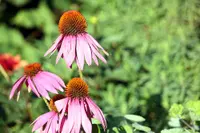
Purple Coneflower
Echinacea purpurea
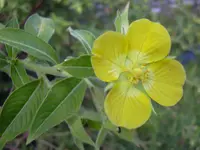
Peruvian primrose-willow
Ludwigia peruviana
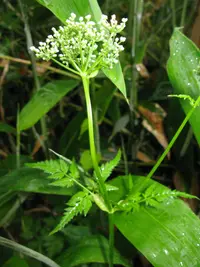
Aegopodium alpestre
Aegopodium alpestre
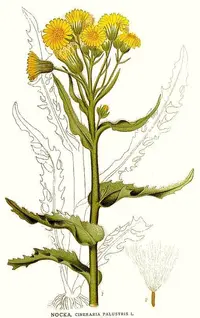
marsh fleabane
Tephroseris palustris

grand redstem
Ammannia robusta
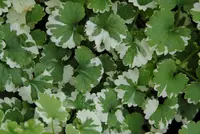
Variegated Creeping Charlie
Glechoma hederacea 'Variegata'
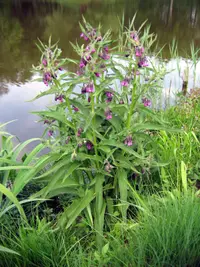
common comfrey
Symphytum officinale
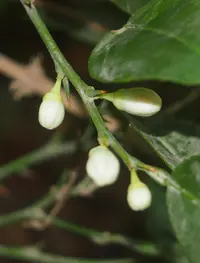
Australian round lime
Citrus australis