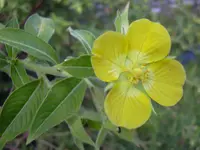
grand redstem Care (Ammannia robusta)

Also known as: Grand Ammannia, Tooth-cup, Scarlet Ammannia
grand redstem

About grand redstem

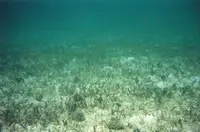
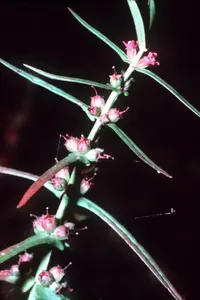
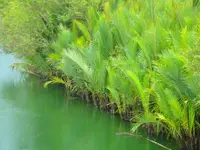
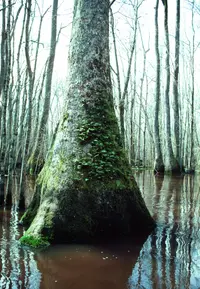
Grand redstem, Ammannia robusta, is a semi-aquatic wetland plant valued in naturalistic aquariums and water garden edges. It typically forms upright stems with narrow, lance-shaped leaves that can develop red or reddish-brown tones under strong light. Native to wet habitats in parts of North America, it often grows along pond margins, ditches, and slow-moving waterways. Growth can be moderately fast when conditions are stable, but it is less forgiving of neglect than many beginner plants. It prefers consistently moist to submerged conditions, good light, and nutrient-rich substrate, so learning how to care for grand redstem helps maintain compact, colorful growth.

Main Plant Requirements

Care Difficulty

Hard Care

Light Preference

Full Sun

Water Requirements

Aquatic

Temperature Preference

Tropical / Frost Sensitive

Hardiness Zone

Unknown

Soil Texture

Loamy, Silty, Organic-rich

Soil pH

Slightly acidic (6.5–7.0)

Soil Drainage

Waterlogged tolerant

Fertilization

Moderate (every 2–4 weeks)

Get Personalized Care Plan

Scan your plant to receive care tips personalized for your specific plant

Available on iOS and Android

How to Care for the grand redstem

Ammannia robusta thrives in strong light but benefits from some protection from intense midday sun.

  • Provide 6–10 hours of direct sun daily, ideally strong morning sun with lighter afternoon exposure to support compact, colorful growth in grand redstem.
  • Allow light partial shade (2–4 hours) in hot summers; plants in more shade grow taller, greener, and may flower less.
  • Watch leaves for stress: pale, leggy stems indicate too little light, while scorched, crispy patches signal excessive afternoon sun.

Ammannia robusta is a wetland species that prefers consistently saturated conditions.

  • Maintain soil or substrate constantly wet; in shallow water or boggy beds, keep the crown just above water while roots remain submerged.
  • Use soil rich in clay or loam that holds moisture but avoids foul, anaerobic conditions; slow water movement is acceptable if roots stay anchored.
  • Monitor for stress signs: wilting and dry, curling leaves suggest insufficient water, while rotting stems, foul smell, and mushy roots show chronic overwatering without oxygen.

This species grows best in warm, frost-free conditions with stable water temperatures.

  • Aim for 72–82°F (22–28°C) for strongest growth, with slightly cooler nights improving color and vigor.
  • Avoid temperatures below 50°F (10°C); growth slows sharply and tissue damage occurs near 41°F (5°C), so protect outdoor stands from frost.
  • Tolerates short heat spikes up to 90–95°F (32–35°C) if water is deep enough and oxygenated, but prolonged extreme heat can cause leaf burn and weak stems.

This aquatic species prefers consistently high humidity around its leaves to match its wet-root conditions.

  • Aim for 70–90% humidity around emergent stems, especially when growing grand redstem in warm indoor air.
  • Crisping leaf tips and slowed growth above the waterline indicate air is too dry.
  • Increase humidity with a covered tank, tight-fitting aquarium lid, or grouping plants around open water surfaces.

This species grows best in submerged or very wet, fine-textured substrate rather than typical terrestrial potting soil.

  • Use a nutrient-rich, fine sand or sandy loam with added clay or aquatic plant soil to anchor roots securely.
  • Keep the substrate saturated or submerged; avoid any setup that allows the root zone to dry or drain freely like standard houseplant mixes.
  • Aim for slightly acidic to neutral conditions around pH 6.0–7.2 for stable nutrient availability in Ammannia robusta.
  • Cap the soil with 1–2 cm of fine sand or gravel to reduce clouding and keep organic particles from floating.

This species adapts well to containers such as aquariums or tubs when water depth and stability are managed carefully.

  • Choose a wide, stable container so tall stems do not tip the setup when they reach the surface.
  • Use a deeper container that allows 20–40 cm of water above the substrate to support upright, submerged growth.
  • Select heavier materials like glass or ceramic to counteract buoyancy from vigorous underwater foliage and trapped air.

Ammannia robusta benefits from modest, consistent nutrients during active growth, especially in nutrient-poor substrates.

  • Use a balanced liquid aquatic fertilizer or general balanced NPK at 1/4–1/2 strength to avoid leaf burn.
  • Apply fertilizer every 1–2 weeks during the main growing season when stems elongate and foliage looks pale or thin.
  • Reduce feeding to once a month or stop entirely in winter or dormancy, especially in low light.
  • For rooted plants, root tabs or slow-release pellets near the root zone help maintain steady nutrition.

Pruning Ammannia robusta helps maintain compact growth, improve light penetration, and encourage bushier stems.

  • Carry out most pruning during active growth, trimming when stems reach the water surface or become leggy.
  • Remove dead, damaged, or algae-covered stems to maintain plant health and improve tank hygiene.
  • Cut tall stems just above a node and replant healthy tops to create a fuller, denser stand.
  • Use clean, sharp aquascaping scissors to make precise cuts and limit tissue damage or rot.

Transplanting grand redstem focuses on minimizing root disturbance while renewing nutrient-rich substrate.

  • Look for slowed growth, weak color, or crowded stems as signs that substrate space or nutrients are depleted.
  • Plan major transplanting during peak growing season so Ammannia robusta can re-establish quickly after disturbance.
  • In containers or baskets, refresh substrate every 12–24 months, gently teasing apart congested roots if circling.
  • Move stems carefully, keeping roots moist, and trim any broken roots to reduce stress and encourage new root growth.

Propagation of Ammannia robusta is commonly done by stem cuttings taken from healthy, actively growing shoots.

  • Take 5–10 cm stem tips in spring or summer, cutting just above a node on the parent plant.
  • Remove lower leaves, then plant the bare nodes into fine substrate or secure in place until rooted.
  • Provide strong light, stable warmth (around typical aquarium temperatures), and good water quality for rooting.
  • Seeds are less commonly used; in specialized setups, sow in shallow, warm, nutrient-rich conditions with high humidity.

In mild climates and heated aquariums, Ammannia robusta needs minimal winter care beyond stable conditions.

  • Maintain consistent water temperature within the species’ preferred range, avoiding sudden cold drops.
  • In outdoor or unheated setups, move containers indoors or to a frost-free space before temperatures near freezing.
  • If grown emersed in pots, insulate the root zone with mulch and reduce watering while keeping the substrate slightly moist.

Care Tips

Substrate Depth Management

Maintain at least 5–8 cm of fine aquarium substrate so roots can anchor securely and prevent the stems from floating or toppling as they elongate.

Regular Stem Replanting

Periodically cut healthy top portions and replant them in small groups while removing older, woody bases to keep stands dense, upright, and visually uniform.

Flow Pattern Optimization

Position stems in areas of gentle, laminar filter flow so nutrients and CO₂ reach leaves evenly without strong currents that bend or uproot the plant.

Lightward Stem Training

Rotate the aquarium or reposition hardscape every few weeks to encourage straight vertical growth and reduce leaning stems that shade neighboring plants when growing grand redstem.

Algae Shading Control

Thin and stagger taller stems so light penetrates to lower leaves, which reduces shaded, slow-flow pockets where filamentous algae tends to colonize this species most aggressively.

Common Pests and Diseases

Algae overgrowth

Symptoms include green, brown, or slimy films coating stems and leaves, especially on slow-growing or shaded portions of the plant. This issue competes with the plant for light and nutrients and is common in nutrient-rich, high-light aquaria.

Solution

Reduce light intensity or duration to 6–8 hours, cut back excess nutrients by moderating fertilization and feeding, and increase water changes. Manually remove algae from leaves and hardscape, improve flow around plant groups, and consider adding appropriate algae-eating fauna if compatible with the aquarium setup.

Blue-green cyanobacteria

This disease appears as dark green, bluish, or reddish slimy mats on substrate, plant bases, and lower stems, often with a characteristic earthy odor. It spreads quickly in areas with low water movement and excess dissolved nutrients.

Solution

Siphon off as much of the cyanobacteria as possible during water changes, increase circulation in dead spots, and correct excess nutrients by reducing organic waste and improving filter maintenance. In stubborn cases, use an aquarium-safe cyanobacteria treatment according to label directions, then continue with regular maintenance to prevent recurrence.

Staghorn algae

This pest forms coarse, gray-green filamentous clumps on Ammannia robusta leaf edges and stem joints, often in tanks with unstable CO2 or nutrient levels. Growth can smother fine foliage and inhibit new shoots.

Solution

Stabilize CO2 (if used) and macronutrient dosing, reduce organic buildup through regular gravel vacuuming, and manually remove affected leaves or trim infested stem tips. Target remaining patches with spot treatments of liquid carbon (glutaraldehyde-based) using a syringe in-flow, keeping within safe dosing limits for livestock.

Leaf melt from CO2/nutrient shock

Symptoms include rapid yellowing, translucence, and disintegration of submerged leaves after sudden changes in CO2, hardness, or fertilization. This problem is common when moving plants between very different water conditions or changing from emersed to submersed growth.

Solution

Avoid abrupt parameter shifts; adjust CO2, hardness, and nutrient levels gradually over several days. Trim away melted leaves, maintain stable conditions, and allow new submersed shoots to develop, as healthy regrowth indicates successful Ammannia robusta plant care.

Iron deficiency chlorosis

Symptoms include pale new growth with pronounced green veins and weak, washed-out red coloration, especially under strong light where iron demand is high. Over time, growth becomes stunted and lower leaves may yellow and drop prematurely.

Solution

Increase or resume use of a chelated iron fertilizer suitable for aquaria, dosing in small, regular amounts rather than large, infrequent additions. Maintain stable pH and avoid excessive phosphate that can bind iron, and monitor new leaves for a return of strong coloration and normal size.

Interesting Facts

North American native annual

This aquatic species is native to western North America, where it grows as a summer annual in shallow, slow-moving or seasonally flooded waters such as ditches, wetlands, and pond margins.

Distinctive branching pattern

It typically shows opposite leaves along slender, 4-angled stems and forms delicate, much-branched emergent or submersed growth that differs noticeably from the more robust, erect habit of some related Ammannia species.

Tiny clustered flowers

The plant bears very small pink to reddish flowers in tight clusters that sit in the leaf axils, each flower having a short tubular calyx with lobes and often conspicuous bract-like structures around the inflorescence.

FAQs about grand redstem

Poor flowering usually results from insufficient light, unstable water levels, or low nutrients, especially iron and micronutrients. Provide consistent shallow water, full sun, and balanced aquatic fertilizer. Stable warm conditions support bud formation and longer-lasting blooms.

Grow Healthy Plants with Botan Care

Keep your plants happy and healthy with plant identification, disease detection, and easy care guidance.

Botan plant care app — identify plants on mobile

Explore More Plants