Flood-adapted siting
Plant in a low-lying spot that can tolerate periodic standing water, but ensure there is at least one natural outlet so long-term, stagnant water does not become anaerobic and damage roots.

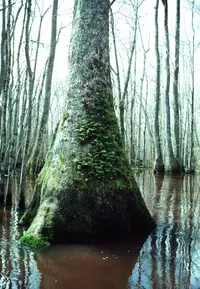
Water tupelo, Nyssa aquatica, is a long-lived deciduous tree native to wetlands and floodplains of the southeastern United States. It is commonly found along slow rivers, swamps, and seasonal backwaters.
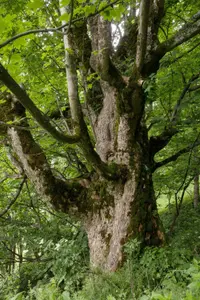
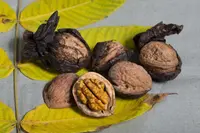
The tree develops a straight trunk with a swollen, buttressed base and an open crown of glossy green leaves that turn yellow in fall. Its fruits are small, dark drupes that feed wildlife but are not grown for ornament.
This species is adapted to standing water and heavy, poorly drained soils, so it is challenging to use in typical gardens. Those who care for water tupelo usually provide very wet conditions, full sun, and acidic, organic-rich soil.

Care Difficulty
Hard Care

Light Preference
Full Sun

Water Requirements
Aquatic

Temperature Preference
Cold Hardy

Hardiness Zone
5–9

Soil Texture
Loamy, Clay, Organic-rich

Soil pH
Strongly acidic (4.5–5.5), Acidic (5.5–6.5)

Soil Drainage
Waterlogged tolerant

Fertilization
Minimal (feed rarely)
Scan your plant to receive care tips personalized for your specific plant
Available on iOS and Android
This wetland tree prefers full sun but tolerates light shade, especially in hot regions.
This species naturally grows in swamps and floodplains, so it thrives in saturated to very moist soil.
This deciduous tree is adapted to warm, humid climates with mild to moderate winters.
This species naturally thrives in very humid, swampy conditions and benefits from high ambient moisture.
This wetland tree prefers saturated, oxygen-poor substrates but can adapt to consistently moist garden soil if prepared correctly.
This species is only marginally suitable for containers and then mainly in large outdoor tubs or ponds.
This wetland tree grows well in fertile soils and usually needs only light, targeted feeding in cultivation.
Nyssa aquatica needs minimal pruning, mainly to maintain structure and remove problem wood.
This species is most often grown in the ground; focus on careful transplanting rather than frequent repotting.
Nyssa aquatica is usually propagated from seed, which requires specific conditions and patience.
This deciduous tree is cold hardy in much of its range and usually needs little special winter care once established.

Plant Health Check
Not sure what's wrong with your plant? Check your plant's health inside the app.
This species is one of the few North American trees that can survive continuous standing water for months, thanks to adaptations like swollen, buttressed bases and aerenchyma tissue that helps move oxygen to submerged roots.
Its small, plumlike drupes are an important late-season food for ducks, geese, and other waterfowl in southeastern US swamps and floodplains.
Bees visiting its flowers produce a mild, light-colored tupelo honey that is regionally prized in parts of the southeastern United States.

Wood from this species has an interlocked, twisted grain that resists splitting, so it has been used traditionally for items like crates, veneer, and applications where shock resistance and durability against water are important.
Container culture is possible only for young trees, and even then for a limited time. Growth slows, roots circle, and moisture needs become difficult to manage. Long term, this species should be planted in open ground with ample space.
Keep your plants happy and healthy with plant identification, disease detection, and easy care guidance.