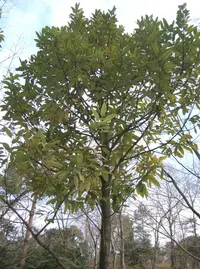
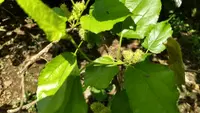
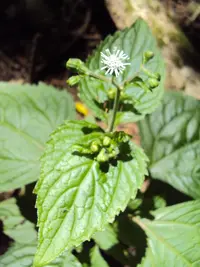
Bay laurel Care (Laurus nobilis)

Also known as: Bay laurel, Sweet laurel, Bay, true laurel, royal bay, Bay Leaf Tree
Bay laurel

About Bay laurel

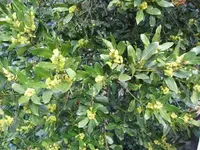
Bay laurel, Laurus nobilis, is an evergreen shrub or small tree valued for its aromatic leaves used fresh or dried in cooking. It has glossy, dark green foliage and a naturally dense, upright growth habit that responds well to pruning and shaping.

This species is native to the Mediterranean region, where it grows in warm, relatively dry climates with mild winters. It is generally slow-growing and long-lived, which helps make it a manageable container plant.

Bay laurel prefers bright light, good air circulation, and well-drained soil that is kept evenly moist but not waterlogged. With attention to watering and light, it is straightforward to care for Bay laurel in many home settings.

Main Plant Requirements

Care Difficulty

Moderate Care

Light Preference

Full Sun

Water Requirements

Moderate Water

Temperature Preference

Warm Climate

Hardiness Zone

8–10

Soil Texture

Sandy, Loamy, Organic-rich

Soil pH

Slightly acidic (6.5–7.0), Neutral (7.0)

Soil Drainage

Well-drained

Fertilization

Minimal (feed rarely)

Get Personalized Care Plan

Scan your plant to receive care tips personalized for your specific plant

Available on iOS and Android

How to Care for the Bay laurel

This evergreen herb prefers bright conditions with some protection from intense midday sun.

  • Provide 4–6 hours of direct morning or late-afternoon sun, with light shade during the strongest midday summer sun, especially in hot climates.
  • Tolerates partial shade (around 3–4 hours of sun) but growth will be slower and foliage may be looser on Bay laurel.
  • In winter, maximize available light by avoiding deep shade; pale, sparse new leaves and leggy stems indicate insufficient sunlight.

This Mediterranean shrub prefers evenly moist but never waterlogged soil.

  • Water when the top 3–5 cm of soil feels dry, then soak thoroughly so excess drains away; avoid shallow splashes that only wet the surface.
  • Reduce frequency in cool or overcast seasons, as Laurus nobilis uses less water; in hot, windy weather, check soil more often for faster drying.
  • Watch for yellowing, soft leaves or a sour soil smell as signs of overwatering; crisp leaf tips and drooping, dry soil indicate underwatering.

This species appreciates mild, stable temperatures and does poorly in hard frost.

  • Aim for 60–75°F (16–24°C) for active growth; short periods up to 85°F (29°C) are tolerated if soil moisture is maintained.
  • Mature plants can survive brief drops to about 20–23°F (-6 to -5°C), but young plants are more tender and can be damaged near freezing.
  • Protect from frost pockets, cold drying winds, and sudden freezes; in very hot spells above 90°F (32°C), provide light shade and avoid heat-reflecting walls.

This species handles typical indoor humidity but benefits from slightly moist air in heated homes.

  • Aim for 40–60% humidity; it tolerates brief drier spells but prolonged very dry air can stress Bay laurel.
  • Watch for crisp leaf edges, slowed growth, and increased spider mites as signs of low humidity stress.
  • Increase humidity with a nearby open tray of water and stones or by grouping plants, rather than misting leaves directly.

Laurus nobilis prefers a stable, moderately fertile, free-draining mineral-based substrate.

  • Use a loamy, slightly sandy mix with structure, such as 2 parts all-purpose potting mix, 1 part coarse sand, and 1 part fine bark or perlite.
  • Ensure sharp drainage so water moves through quickly and does not pool around roots after watering.
  • Target a slightly acidic to neutral pH around 6.0–7.0 for best nutrient availability and root function.
  • Avoid heavy clay, compacted, or peat-only mixes that retain water for many hours and limit root aeration.

This species is well-suited to container growing when the pot supports its woody, top-heavy form.

  • Choose a wide, weighty container (such as thick terracotta) to stabilize the woody canopy against wind and accidental knocks.
  • Select a pot deep enough to accommodate a slowly developing, woody root system so it does not circle tightly near the surface.
  • Raise the container on feet or pot risers so drainage holes stay clear and excess water runs off rapidly after irrigation or rain.

Laurus nobilis benefits from modest, controlled feeding rather than heavy fertilization.

  • Use a balanced slow-release fertilizer or organic compost in spring as new growth begins.
  • Feed container plants every 6–8 weeks during the growing season with a diluted balanced liquid fertilizer at 1/2 strength.
  • Reduce or stop feeding in fall and winter when growth slows, especially for indoor plants.
  • Bay laurel in the ground often needs only a light compost mulch once a year.

Pruning helps Laurus nobilis maintain a compact, healthy structure and usable foliage.

  • Carry out main pruning in late winter or early spring before strong new growth starts.
  • Remove dead, diseased, crossing, or inward-growing stems with clean, sharp hand pruners.
  • Shorten long shoots to shape hedges, standards, or compact bushes and to encourage denser growth.
  • Avoid heavy cuts into old wood; thin gradually over several seasons to reduce plant stress.

Container-grown Laurus nobilis prefers infrequent but careful repotting to limit stress.

  • Plan repotting in early spring every 2–4 years, or when roots circle the pot and growth slows.
  • Choose a container 2–5 cm wider with drainage holes and a free-draining, slightly loamy potting mix.
  • Gently loosen circling roots, trim damaged sections, and keep the original root ball largely intact.
  • Water thoroughly after repotting, then keep in bright, sheltered conditions while the root system re-establishes.

Laurus nobilis can be propagated, but success rates are moderate and patience is required.

  • Use semi-ripe stem cuttings in late summer, taken from non-flowering shoots 8–10 cm long.
  • Remove lower leaves, dip the cut base in rooting hormone, and place in a moist, gritty mix under high humidity.
  • Sow fresh seeds in autumn in a cool, bright place; germination can take several months.
  • Air layering in late spring on a healthy stem offers another option for more reliable rooting.

Mature Laurus nobilis tolerates light frost but benefits from extra winter protection in colder regions.

  • In ground, apply 5–8 cm of mulch around the root zone, keeping it slightly away from the trunk.
  • In areas below about 20°F, wrap young stems with burlap or horticultural fleece during the coldest spells.
  • Move container plants to a cool, bright, frost-free spot and reduce watering while growth is minimal.

Care Tips

Harvesting technique

When picking leaves, remove individual mature leaves from several branches instead of stripping one shoot bare, which keeps the plant in active growth and maintains a balanced canopy for ongoing culinary use.

Branch training

While stems are young and flexible, gently tie them to a stake or hoop with soft ties to create a desired tree or hedge shape, checking ties every few months so they do not cut into the bark as stems thicken.

Container root management

For long-term container plants, slide the root ball out every 2–3 years, slice off 2–3 cm of outer roots all around with a clean knife, and replant into the same pot with fresh mix to prevent the plant from becoming pot-bound.

Winter wind protection

In cold or exposed sites, set up a simple windbreak using shade cloth or burlap around the plant in late fall, since cold wind dries the evergreen foliage much faster than still air and can cause browning.

Pest monitoring routine

Inspect new growth and leaf undersides every 1–2 weeks for scale, aphids, or leaf miner damage, and rinse foliage with a firm spray of water or use horticultural soap early, as small infestations are much easier to manage when caring for Bay laurel.

Common Pests and Diseases

Bay sucker

This pest causes puckered, thickened, and yellowed leaf margins, often with distorted new growth on bay trees. Symptoms include sticky honeydew and sooty mold developing on affected foliage.

Solution

Prune and dispose of distorted foliage, then wash remaining leaves with a strong but gentle stream of water to remove nymphs and honeydew. For persistent infestations, apply a horticultural oil or insecticidal soap in spring when new growth emerges, ensuring thorough coverage of leaf undersides and young shoots.

Soft scale

These insects appear as small, dome-shaped bumps on stems and leaf veins, producing sticky honeydew that can lead to black sooty mold. This pest weakens the plant over time and can cause leaf yellowing and drop.

Solution

Wipe or gently scrape scale from stems and leaves with a soft cloth or cotton swab dipped in soapy water or alcohol, then rinse foliage. For heavier infestations, use a horticultural oil spray, repeating as needed, and improve air movement and light levels to support overall Laurus nobilis care.

Leaf spot

This disease causes small brown or black spots on leaves that may enlarge and merge, sometimes leading to yellow halos or premature leaf drop. Symptoms include more severe spotting in dense, shaded, or poorly ventilated foliage.

Solution

Remove and discard affected leaves, including fallen ones around the plant, to reduce inoculum. Improve airflow by thinning dense growth and avoid wetting foliage; if spots continue to spread, apply a copper-based or other labelled fungicide according to product directions.

Powdery mildew

This disease produces a white or gray powdery coating on leaves, especially on tender new growth, which can cause distortion and reduced vigor. Symptoms include dull, faded foliage and slower growth in humid, stagnant air conditions.

Solution

Increase air circulation by pruning crowded branches and avoid overhead watering, especially late in the day. Remove heavily affected leaves and treat remaining foliage with a sulfur, potassium bicarbonate, or other labelled powdery mildew spray, repeating at intervals if conditions stay humid.

Leaf miner

These insects create winding, pale tunnels inside bay leaves, which can look unsightly and may cause localized browning. Symptoms include serpentine trails that follow the leaf surface but do not break the outer skin at first.

Solution

Prune and dispose of mined leaves promptly to reduce larvae and future adults, focusing on heavily affected shoots. Encourage natural predators outdoors and, for container plants, consider using sticky traps to monitor adult activity and time any targeted insecticidal soap or systemic treatment if damage is severe.

Interesting Facts

Evergreen Mediterranean relic

This species is an evergreen tree native to the Mediterranean basin and is considered a relict of ancient laurel forests that once covered much larger areas of southern Europe and the Near East.

True culinary bay

The leaves of this species are the classic bay leaves used in European and North American cooking, and many other plants sold as bay are substitutes that lack its exact aroma profile.

Dioecious flowering habit

Individual plants are typically either male or female (dioecious), so only female plants can produce the small black berries, while both sexes bear the yellowish spring flowers.

Botan icon

Did you know?

In classical Greece and Rome, wreaths made from this species were placed on the heads of poets, scholars, and victors, and its Latin name is the origin of academic terms such as baccalaureate and laureate.

FAQs about Bay laurel

Brown leaf tips or edges usually result from underwatering, low humidity, or excess fertilizer salts. Large brown patches can follow frost, harsh sun, or root damage. Trim affected leaves and correct the underlying environmental or root problem.

Grow Healthy Plants with Botan Care

Keep your plants happy and healthy with plant identification, disease detection, and easy care guidance.

Botan plant care app — identify plants on mobile

Explore More Plants