Pinch for Bushiness
Pinch out soft shoot tips every 3–4 weeks in the growing season to encourage low, branching growth and prevent tall, weak stems that flop in wind or rain.

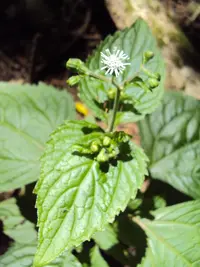
Common medicineplant (Adenostemma lavenia) is a soft-stemmed perennial herb often found in damp, partly shaded places. It typically forms low, leafy clumps with simple, toothed leaves and small, clustered flower heads.
This species occurs naturally in tropical and subtropical Asia and the Pacific, often along stream edges, forest margins, and moist disturbed ground. It tends to grow quickly where soil stays consistently moist.
The plant is generally easy to manage in cultivation if it receives moderate light, regular moisture, and well-drained, humus-rich soil. Gardeners who learn how to care for common medicineplant usually find it adaptable in mild, frost-free climates.

Care Difficulty
Moderate Care

Light Preference
Partial Shade

Water Requirements
Keep Soil Moist

Temperature Preference
Tropical / Frost Sensitive

Hardiness Zone
10–12

Soil Texture
Loamy, Silty, Organic-rich

Soil pH
Acidic (5.5–6.5), Slightly acidic (6.5–7.0)

Soil Drainage
Moist but well-drained

Fertilization
Minimal (feed rarely)
Scan your plant to receive care tips personalized for your specific plant
Available on iOS and Android
This species prefers bright, indirect light with gentle direct sun in cooler hours.
This plant favors consistently moist but not waterlogged soil.
This species thrives in warm, frost-free conditions typical of subtropical climates.
This species prefers moderate humidity but adapts to a range of home and garden conditions.
This plant grows best in consistently moist, fertile, well-structured soil.
This species is suitable for container growing when moisture and stability are managed carefully.
Adenostemma lavenia grows reasonably well in average soil but responds to light feeding in poor or heavily used beds.
Pruning Adenostemma lavenia is mainly done to keep clumps tidy and healthy rather than for strict shaping.
This species is more often grown in the ground, so focus on transplanting rather than frequent repotting.
Adenostemma lavenia is commonly increased by seed and soft stem cuttings under warm, moist conditions.
In mild climates this plant needs little winter attention, but frost or hard freezes can damage soft growth.

Plant Health Check
Not sure what's wrong with your plant? Check your plant's health inside the app.
This species naturally occurs from India and Sri Lanka through Southeast Asia to Pacific islands such as Hawaii, typically in moist, partially shaded habitats like forest edges, streambanks, and disturbed clearings.
The dry fruits bear small hooked bristles that easily cling to animal fur, clothing, or feathers, an adaptation that helps the plant spread over considerable distances without wind or water.
Crushed leaves release a noticeable aroma due to volatile compounds, which likely play roles in herbivore deterrence and communication with other organisms.

In parts of Asia and the Pacific, especially in traditional rural communities, this species has been documented as a leafy vegetable or pot herb, where young shoots and leaves are blanched or cooked before eating, reflecting its long-standing cultural value as a minor wild food plant.
Yellowing leaves usually result from water stress, nutrient-poor soil, or natural aging of older foliage. Check for soggy roots, compacted soil, or prolonged dryness. Adjust watering, refresh soil with organic matter, and remove the oldest yellow leaves.
Keep your plants happy and healthy with plant identification, disease detection, and easy care guidance.

-1-200x150.webp)