Johnsongrass Care (Sorghum halepense)

Also known as: great millet, sudan grass, Aleppo Grass, Columbus Grass, Egyptian Millet, Evergreen Millet, Grass Sorghum
Johnsongrass

About Johnsongrass

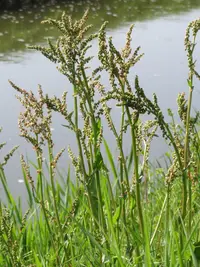
Johnsongrass, Sorghum halepense, is a fast-growing perennial grass often found in fields, roadsides, pastures, and disturbed ground. It spreads aggressively by both seeds and thick underground rhizomes.

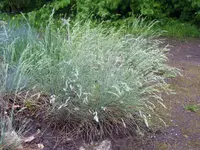
Plants form tall, upright clumps with broad leaves and open, feathery flower heads that release large amounts of seed. In many regions it is classified as an invasive weed because it competes strongly with crops and native plants.

This grass tolerates heat, drought, and poor soils, which makes it easy to establish but difficult to control. Basic knowledge of how to care for Johnsongrass is mainly useful for managing or removing it rather than encouraging growth.

Main Plant Requirements

Care Difficulty

Easy Care

Light Preference

Full Sun

Water Requirements

Moderate Water

Temperature Preference

Warm Climate

Hardiness Zone

4–10

Soil Texture

Sandy, Loamy, Clay

Soil pH

Acidic (5.5–6.5), Slightly acidic (6.5–7.0)

Soil Drainage

Well-drained

Fertilization

Minimal (feed rarely)

Get Personalized Care Plan

Scan your plant to receive care tips personalized for your specific plant

Available on iOS and Android

How to Care for the Johnsongrass

Sorghum halepense grows best with strong, direct sun in open, unshaded sites.

  • Provide 6–10 hours of direct sunlight daily; full sun from morning through late afternoon supports dense, vigorous stands of Johnsongrass.
  • The grass tolerates light partial shade, but plants in less than 4–5 hours of sun per day grow taller, weaker, and may lodge or spread less effectively.
  • In hot, dry regions, intense late-afternoon sun combined with drought can scorch leaves; adequate soil moisture helps prevent leaf burn and premature dormancy.

Water needs for Sorghum halepense are moderate and closely tied to soil type and weather.

  • Aim for soil that dries slightly between soakings; in fields, let the top 5–8 cm dry before irrigation to encourage deeper rooting.
  • Increase watering during hot, windy periods if leaves roll or curl by midday, a clear sign of temporary drought stress in this species.
  • Avoid waterlogged conditions; poor drainage, standing water, or yellowing lower leaves with soft stems indicate excess moisture and higher risk of root decline.

This warm-season grass thrives in hot conditions but reacts poorly to frost and prolonged cold.

  • Optimal growth occurs around 80–95°F (27–35°C); emergence and early development slow sharply below 70°F (21°C).
  • Plants tolerate high summer heat up to about 100–104°F (38–40°C) if soil moisture is adequate, but extended hotter periods can reduce growth and seed set.
  • Growth stops near 50°F (10°C), and light frost discolors leaves; hard frost below 28°F (-2°C) kills top growth, with survival depending on rhizome depth and winter lows.

This grass tolerates a wide humidity range and rarely needs special humidity management in cultivation.

This species grows vigorously in open ground and containers when the soil is loose, well-drained, and moderately fertile.

  • Use a loamy or sandy soil with a crumbly structure that allows roots to penetrate easily.
  • Aim for slightly acidic to neutral pH, around 6.0–7.5, to support nutrient availability for Sorghum halepense.
  • Mix in coarse sand or fine gravel to improve drainage and prevent water from standing around the rhizomes.
  • Avoid heavy clay, compacted, or waterlogged substrates, which encourage root rot and restrict root expansion.

This species can be grown in containers, but the container must control its spreading rhizomes and support tall, vigorous growth.

  • Choose a deep, heavy pot that resists tipping and restricts rhizome spread while still giving adequate root depth.
  • Ensure multiple drainage holes so heavy irrigation water exits quickly, preventing soggy lower layers in tall containers.
  • Place the container where runoff cannot escape into soil, since escaping rhizomes or seed can naturalize and become invasive.

Sorghum halepense typically needs little supplemental feeding in average to fertile soils.

  • On poor or heavily used soils, apply a light dressing of compost in early spring to support vigorous growth.
  • If using mineral fertilizer, choose a balanced NPK (such as 10-10-10) at half strength to avoid excessive, weak foliage.
  • Feed only during the active growing season, about every 6–8 weeks if growth appears pale or stunted.
  • Stop feeding Johnsongrass by late summer to allow tissues to harden before cooler weather.

Pruning Sorghum halepense is mainly used to control spread, remove damage, and manage stand density.

  • Cut back dead or storm-damaged stems at ground level whenever noticed to reduce disease entry points.
  • Thin crowded clumps during late spring to improve air flow and reduce competition among shoots.
  • Use clean, sharp shears or a scythe, making smooth cuts to limit tissue tearing and stress.
  • Mowing or cutting before seed heads fully mature can reduce self-seeding and slightly limit spread.

Sorghum halepense is usually field-grown, so management focuses on transplanting clumps rather than routine repotting.

  • Transplant in early spring when new growth starts, avoiding periods of extreme heat or drought.
  • Choose divisions with healthy, white rhizomes and several buds; discard weak or rotted segments.
  • Replant clumps at the same depth in loosened, moist soil and water thoroughly to settle roots.
  • Minimize root stress by keeping rhizomes shaded and slightly damp during handling and planting.

Sorghum halepense spreads aggressively through both seed and rhizomes, so propagation is rarely needed in most settings.

  • Divide rhizomes in early spring, separating pieces with several buds and planting them 3–5 cm deep.
  • Sow seeds in warm soil (65–75°F), with good light and consistent moisture for even germination.
  • Avoid overwatering young plants; maintain lightly moist, well-drained soil to prevent seedling damping-off.
  • Monitor new areas closely, since successful establishment can lead to rapid, hard-to-reverse spread.

Sorghum halepense is generally cold tolerant in mild climates and needs little targeted winter care in the ground.

  • In regions with freezing winters, expect top growth to die back while rhizomes may survive underground.
  • A light mulch layer over soil can buffer temperature swings and limit heaving in exposed sites.
  • Container-grown clumps in colder zones can be moved to a cool, frost-free area until spring.

Care Tips

Controlled Stand Establishment

Start from clean, tilled ground and sow in defined strips or plots with clear mown buffer zones, so the grass can be managed and prevented from spreading into unwanted areas when growing Johnsongrass.


Rhizome Containment

Install a deep root barrier (30–40 cm) around the planting zone or use large bottomed containers sunk into the ground to restrict rhizome spread and make long-term management easier.

Timed Biomass Harvest

Cut or graze plants at 30–60 cm height before seed heads fully mature to produce usable forage or biomass while preventing heavy reseeding and reducing future weedy pressure.

Vigilant Seed Control

Remove and destroy panicles before seeds harden, and clean tools, boots, and equipment after working in the stand so loose seeds do not colonize new beds or fields.

Rotational Suppression Planning

If the stand becomes too aggressive, rotate the area into a competitive cover crop or a cultivated row crop and repeatedly till or undercut regrowth to gradually weaken and thin the population as part of broader Sorghum halepense plant care.

Everything About Johnsongrass

Common Pests and Diseases

Sorghum mosaic virus

This disease causes mosaic or mottled yellow and green streaks on leaves, often leading to stunted, weak plants and reduced biomass. Symptoms include narrow, distorted leaves and poor stand vigor.

Solution

Use only clean, certified seed and avoid planting near infected sorghum or Johnsongrass stands; roguing and destroying symptomatic plants helps reduce spread. Control aphid vectors with targeted contact or systemic insecticides labeled for forage grasses, and eliminate volunteer sorghum that can act as a reservoir.

Maize dwarf mosaic virus

This disease produces mosaic patterns, leaf streaking, and dwarfing, especially in warm seasons when aphid activity is high. Infected plants often fail to reach normal height and show reduced tillering.

Solution

Manage aphid populations through timely insecticide applications and conservation of natural predators, and avoid staggering plantings that keep susceptible hosts available for long periods. Remove heavily infected patches and reduce nearby susceptible hosts such as volunteer corn or sorghum to break the virus cycle.

Ergot

This fungal disease replaces florets in the seed heads with dark, hardened sclerotia and may first show as sticky, sugary honeydew exuding from panicles. Contamination reduces seed quality and can be toxic to grazing animals.

Solution

Mow or graze before flowering to reduce panicle formation, and avoid using infected stands for seed production. Where possible, rotate away from other susceptible grasses and collect or destroy heavily infected seed heads to reduce sclerotia returning to the soil.

Leaf rust

This disease appears as small, orange-brown pustules on leaf surfaces that can coalesce into larger lesions, leading to premature leaf drying. Severe infections reduce photosynthesis and stand vigor.

Solution

Promote good air movement by avoiding overly dense stands and excessive nitrogen that drives lush, disease-prone foliage. Remove or mow down heavily affected leaves and consider fungicides labeled for forage sorghum or pasture grasses when rust pressure is consistently high.

Aphids

These insects cluster on leaves and stems, sucking sap and causing yellowing, curling, and sticky honeydew that can support black sooty mold. Heavy infestations can weaken plants and increase virus transmission, which is important in Sorghum halepense plant care.

Solution

Encourage natural predators such as lady beetles, monitor undersides of leaves, and wash small infestations off with a firm water spray where practical. In field or pasture settings, use selective insecticides at threshold levels and avoid broad-spectrum products that disrupt beneficial insects, especially during peak growth periods.

Interesting Facts

Hybridization with crops

This species can cross with cultivated sorghum (Sorghum bicolor), creating fertile hybrids that complicate both weed control and breeding programs in agricultural fields.

Rhizomes enable spread

It forms thick rhizomes (underground stems) that store energy and can regenerate new shoots from small fragments, which makes mechanical removal very difficult.

C4 photosynthesis advantage

As a C4 grass, it uses a photosynthetic pathway that is especially efficient in high light, high temperature conditions, helping it outcompete many C3 crops during hot summers.

Botan icon

Did you know?

Sorghum halepense was intentionally introduced to several regions, including the southern United States in the 19th century, as a potential forage and soil-improvement grass, but it later became one of the most economically significant invasive weeds in warm-temperate and subtropical agriculture.

FAQs about Johnsongrass

This species spreads very aggressively through both seeds and creeping rhizomes. It can quickly dominate fields, pastures, and disturbed ground, often outcompeting crops and native plants. Regular monitoring and early removal are essential to keep it in check.

Grow Healthy Plants with Botan Care

Keep your plants happy and healthy with plant identification, disease detection, and easy care guidance.

Botan plant care app — identify plants on mobile

Explore More Plants