Blue fescue Care (Festuca glauca)

Also known as: glaucous fescue
Blue fescue

About Blue fescue

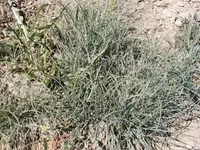
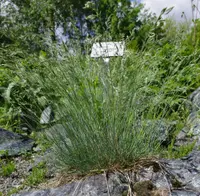
Blue fescue (Festuca glauca) is a compact, clump-forming ornamental grass valued for its dense, fine-textured, blue-gray foliage. It forms neat mounds that keep a tidy shape, making it useful for edging, rock gardens, and containers.

This grass is native to parts of Europe and often grows in dry, open habitats. It is generally easy to grow, as it tolerates poor soils and short dry periods, but dislikes heavy, waterlogged ground.

Blue fescue prefers full sun, good drainage, and moderate moisture. Understanding how to care for Blue fescue mainly involves providing enough light and avoiding overly rich or wet conditions.

Main Plant Requirements

Care Difficulty

Easy Care

Light Preference

Full Sun

Water Requirements

Low Water

Temperature Preference

Cold Hardy

Hardiness Zone

4–8

Soil Texture

Sandy, Loamy, Rocky

Soil pH

Slightly acidic (6.5–7.0), Neutral (7.0)

Soil Drainage

Well-drained

Fertilization

Minimal (feed rarely)

Get Personalized Care Plan

Scan your plant to receive care tips personalized for your specific plant

Available on iOS and Android

How to Care for the Blue fescue

Festuca glauca thrives in bright, open sites with consistent sun exposure.

  • Provide 6–8 hours of direct sun daily; morning and midday sun support the strongest blue foliage color in Blue fescue.
  • Plant in full sun where possible; it tolerates light afternoon shade, but dense shade leads to weak, elongated leaves and a duller blue tone.
  • In hot summers, light afternoon shade helps prevent leaf scorch, while in winter an open, sunny position keeps clumps tighter and less prone to rot.

Festuca glauca prefers slightly dry conditions and is sensitive to prolonged wet soil.

  • Allow the top 3–5 cm of soil to dry before watering; established clumps in the ground often need water only after extended dry spells.
  • Use sharply drained soil or a slope so water runs off; soggy or compacted ground causes yellowing leaves, root rot, and plant decline.
  • In the first growing season, water deeply when foliage starts to curl or wilt, then reduce frequency once roots are established and growth is stable.

This cool-season grass grows best in mild temperatures and tolerates considerable cold once established.

  • Optimal growth occurs around 55–75°F (13–24°C), with strongest foliage development in cooler spring and fall weather.
  • Mature plants usually tolerate down to about -20°F (-29°C), though winter wet plus cold can damage crowns more than low temperature alone.
  • Heat above 85°F (29°C), especially with high humidity, can stress clumps; provide mulch, excellent drainage, and avoid heavy summer fertilizing during hot periods.

Humidity is rarely a concern for this species and is not a key factor in successful Blue fescue care.

Festuca glauca prefers lean, fast-draining mineral soils that do not stay wet for long.

  • Use sandy or gritty loam with a high mineral content and minimal peat or other water-holding materials.
  • Aim for slightly acidic to neutral pH, around 6.0–7.0, which supports healthy root function.
  • Blend coarse sand or fine gravel into the planting area to improve drainage and aeration.
  • Avoid compacted clay, waterlogged spots, or heavily fertilized organic-rich beds, which cause rot and floppy growth.

This grass is well suited to container growing outdoors when drainage and root space are managed carefully.

  • Select a squat, wide container rather than a very tall one to keep the shallow, fibrous root system evenly moist without waterlogging.
  • Use a gritty mix, such as standard potting mix cut 1:1 with coarse sand or fine grit, to keep water moving through quickly.
  • Choose a heavier material such as ceramic or concrete in windy sites so the dense tuft does not tip the pot over.

This drought-tolerant grass needs only light feeding to maintain compact, blue foliage.

  • Use a balanced slow-release fertilizer (around 10-10-10) or a thin layer of compost in early spring.
  • Feed once per growing season for established clumps; young plants may benefit from a second, light application in midsummer.
  • Apply at half the label rate to avoid lush, floppy growth and reduced color in Blue fescue.
  • Skip feeding in late fall and winter, when growth is naturally slow or dormant.

Festuca glauca benefits from periodic grooming to keep the mound neat and healthy.

  • Best time is late winter to early spring, before strong new growth begins.
  • Use gloved hands or scissors to comb out and trim dead, yellowed, or damaged blades from the clump.
  • Lightly shear the outer tips to refresh shape, avoiding cutting into the hard center crown.
  • Remove congested or winter-burned tufts to improve air flow and reduce fungal problems.

This small ornamental grass is more often transplanted in the garden than repotted long term in containers.

  • Transplant in early spring or early fall, when temperatures are mild and soil is workable.
  • Move plants if growth slows, clumps thin out, or roots circle the pot and emerge from drainage holes.
  • Typical outdoor clumps are lifted and replanted or divided every 3–4 years to renew vigor.
  • Water thoroughly after transplanting, then keep soil lightly moist for 1–2 weeks to limit root stress.

Festuca glauca is most commonly propagated by division, which maintains the exact foliage color of the parent plant.

  • Divide mature clumps in early spring or early fall, when conditions are cool and moist.
  • Lift the plant, then split the root ball into small sections, each with healthy shoots and roots.
  • Replant divisions at the same depth in well-drained soil, spacing 20–30 cm apart.
  • Seeds can be sown in trays with gritty mix under bright light, though seedlings vary in color.

This cool-season, evergreen grass is generally cold hardy and needs little winter care in most temperate climates.

  • Plants tolerate typical frosts; in very cold zones, a light 2–5 cm mulch buffers root temperature.
  • Avoid heavy, wet mulch against the crown to reduce rot risk during freeze–thaw cycles.
  • Container plants in zone 5–6 and colder overwinter best in a sheltered, unheated but frost-free spot.

Care Tips

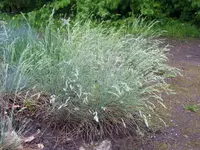
Shear In Early Spring

Cut back the clump by about one-half in late winter to early spring before new growth starts to keep the mound dense and prevent a hollow center from forming.

Renew Aging Clumps

Every 3–4 years, lift and divide older tufts, discarding the dead center and replanting only the vigorous outer sections to maintain compact, blue foliage.

Improve Summer Color

Lightly thin out browned or faded blades with scissors during mid to late summer so new blue leaves receive more light and the plant regains its neat appearance.

Use Gritty Topdressing

Apply a thin layer of coarse sand or fine gravel around the crown to keep the base dry, reduce crown rot risk, and highlight the foliage outline.

Plan For Winter Wet

In regions with wet winters, plant on a slight mound or raised bed and avoid organic mulches touching the crown to reduce root and crown rot while growing Blue fescue.

Common Pests and Diseases

Rust

This disease causes orange, brown, or yellow powdery spots on leaves and can lead to thinning, patchy clumps. Symptoms include weakened plants and premature browning of foliage, especially in humid or crowded conditions.

Solution

Remove and discard heavily infected blades and any accumulated thatch around the clump, then improve air circulation by thinning neighboring plants and avoiding overhead watering. If rust persists, apply a labeled lawn or ornamental grass fungicide containing myclobutanil or propiconazole, following label rates and timing.

Leaf spot

This disease produces small tan, brown, or purplish spots on the blades that may merge into larger dead patches. Symptoms include a general loss of the plant’s blue color and a ragged, scorched appearance on older leaves.

Solution

Shear the plant back to just above the crown to remove affected foliage, dispose of clippings, and allow clean new growth to emerge. Reduce evening irrigation, water at the base, and if conditions stay wet, use a suitable fungicide for ornamental grasses as directed on the product label.

Crown rot

This disease begins at the base of the plant, causing the center of the clump to turn brown, collapse, and die while some outer leaves may remain green. Symptoms include a mushy or discolored crown, often triggered by poorly drained or frequently wet soil.

Solution

Dig out and discard severely affected plants, including as much of the rotted crown and surrounding soil as possible. Replant in well-drained soil or raised beds, avoid overwatering, and keep mulch and debris away from the crown to support healthier Festuca glauca plant care.

Aphids

These insects cluster on new shoots and leaf bases, sucking sap and causing distorted growth and sticky honeydew deposits. This pest can attract sooty mold fungi, which darken the foliage and further reduce vigor.

Solution

Spray the plant thoroughly with a strong stream of water to dislodge colonies, repeating as needed, and encourage natural predators such as lady beetles by avoiding broad-spectrum insecticides. For persistent infestations, use insecticidal soap or a light horticultural oil, ensuring full coverage of leaf bases and new growth.

Cutworms

These caterpillars feed at or just below soil level, chewing through young shoots and causing sudden dieback or thinning in patches of grass. Symptoms include neatly clipped or wilted tufts, often noticed in the morning after night feeding.

Solution

Hand-pick any visible caterpillars in the evening and disturb the top 2–3 cm of soil around affected clumps to expose hidden larvae to predators. In severe cases, apply a targeted lawn-safe biological control such as Bacillus thuringiensis (Bt) or a labeled cutworm bait, following package directions and keeping granules off the foliage.

Interesting Facts

Natural rockland specialist

In its native European range, this species often colonizes shallow, rocky, lime-poor soils where many other grasses struggle, forming tight clumps that help stabilize thin substrates.

Bluish color chemistry

The characteristic blue foliage comes from a waxy coating called epicuticular wax on the leaves, which both reflects specific wavelengths of light and reduces water loss through transpiration.

Cool-season growth pattern

As a cool-season bunchgrass, it carries out most active growth in cooler spring and fall temperatures, then often slows or partially browns during hot summers, especially in warmer climates.

Botan icon

Did you know?

This species has been widely used in ornamental breeding, and many garden cultivars originate from selections of naturally occurring blue-toned individuals, which have been stabilized through vegetative propagation to maintain their distinctive foliage color and compact mounding form.

FAQs about Blue fescue

Brown leaves usually result from age, heat stress, or poor drainage rather than disease. Remove dead blades by gently combing through the clump, improve airflow, and avoid heavy, soggy soil to keep the foliage fresher.

Grow Healthy Plants with Botan Care

Keep your plants happy and healthy with plant identification, disease detection, and easy care guidance.

Botan plant care app — identify plants on mobile

Explore More Plants