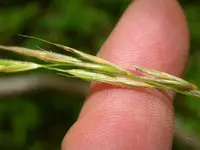
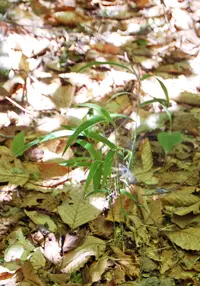
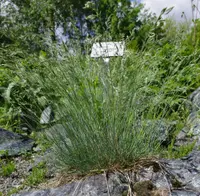
little quakinggrass Care (Briza minor)

Also known as: Small Quaking-grass, Lesser Quaking-grass, annual quaking grass, Little Rattlesnake Grass, Shivery Grass, Little Fairy Bells
little quakinggrass

About little quakinggrass

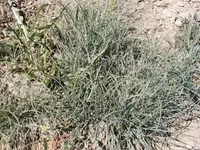
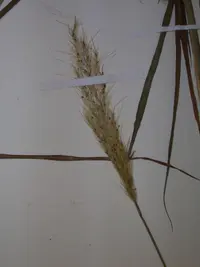
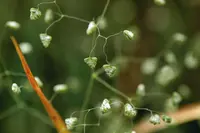
Little quakinggrass (Briza minor) is a small annual ornamental grass grown mainly for its delicate, nodding seed heads. The rounded, papery spikelets tremble on fine stems, giving movement and texture to borders and meadow-style plantings.

It is native to Mediterranean regions but has naturalized in many temperate areas, often appearing in fields, roadsides, and open, sunny sites. Plants stay relatively low and airy, so they mix easily with other small grasses and flowers.

Briza minor is generally easy to grow in well-drained soil with good light and moderate moisture, and it readily reseeds in suitable conditions. Understanding how to care for little quakinggrass mainly involves managing sun exposure, soil drainage, and unwanted self-sowing.

Main Plant Requirements

Care Difficulty

Easy Care

Light Preference

Full Sun

Water Requirements

Moderate Water

Temperature Preference

Cool Climate

Hardiness Zone

5–9

Soil Texture

Sandy, Loamy

Soil pH

Slightly acidic (6.5–7.0), Neutral (7.0)

Soil Drainage

Well-drained

Fertilization

Minimal (feed rarely)

Get Personalized Care Plan

Scan your plant to receive care tips personalized for your specific plant

Available on iOS and Android

How to Care for the little quakinggrass

This cool-season annual grass prefers bright outdoor sites with moderate sun exposure.

  • Provide 4–6 hours of direct sun daily, ideally with gentle morning sun and light afternoon shade, especially in hotter regions.
  • Tolerates partial shade, but flowering of little quakinggrass becomes sparser and stems stretch if it receives less than about 3–4 hours of direct light.
  • In summer, protect from intense late-afternoon sun to reduce scorching; in cooler months, a more open, sunnier position supports stronger growth and fuller seed heads.

This grass prefers consistent, moderate moisture without staying saturated.

  • Water when the top 2–4 cm of soil feel dry, aiming for soil that is evenly moist but never waterlogged, especially during active spring growth.
  • Use freely draining soil or a well-structured garden bed so excess water runs off; prolonged puddling around Briza minor roots encourages rot and weak, floppy stems.
  • Reduce watering once flowering finishes or in cool, rainy periods, and watch for wilting or crisp leaf tips as signs that the plant is too dry.

This species grows best in mild conditions typical of cool seasons.

  • Optimal growth occurs around 55–70°F (13–21°C), which supports steady leaf development and strong flowering stems.
  • Plants tolerate brief drops near 25°F (-4°C) once established, but hard freezes below this can damage foliage and reduce stand density the following season.
  • In hotter climates, growth weakens when temperatures stay above 80–85°F (27–29°C); combine cooler-season sowing with light afternoon shade to limit heat stress.

Humidity is rarely a limiting factor for little quakinggrass, which adapts well to typical outdoor levels in temperate regions.

  • Optimal humidity is around 30–60%, similar to most outdoor garden conditions in its growing range.
  • The plant tolerates dry air well as long as soil moisture is maintained and roots do not dry out completely.
  • Humidity stress shows as leaf tip browning and slow growth; in very arid sites, group plantings or use nearby mulch to slightly buffer dryness.

Briza minor prefers light, well-drained mineral soils that do not stay waterlogged after rain or irrigation.

  • Use a mix resembling sandy or loamy field soil: roughly 60% mineral topsoil, 20–30% coarse sand, and 10–20% compost for moderate fertility.
  • Aim for a slightly acidic to neutral pH, around 6.0–7.2, which supports nutrient availability without excess lime sensitivity.
  • Ensure rapid drainage by avoiding heavy clay; if existing soil is dense, incorporate coarse sand or fine grit to open the structure and improve aeration.
  • Avoid very rich, peat-heavy or constantly wet substrates, which encourage weak, floppy growth and can promote root rot in Briza minor.

This species is suitable for container growing, especially for seasonal displays and ornamental seedheads.

  • Choose a pot at least 20–25 cm deep so the fibrous root system can anchor the plant and support upright stems in wind.
  • Use a heavier material such as terracotta or ceramic to stabilize the container and reduce tipping as seedheads develop.
  • Elevate the pot slightly on feet or bricks so drainage holes stay clear and excess water exits quickly after rain or watering.

Briza minor is a low-input annual grass that needs only light feeding in average garden soil.

  • Apply a balanced, diluted liquid fertilizer (around 10-10-10 at 1/2 strength) once at seedling stage, then again as stems begin to elongate.
  • In richer soils, skip synthetic products and use a thin top-dressing of fine compost instead.
  • During peak growing season, avoid more than monthly feeding to prevent weak, floppy growth in little quakinggrass.
  • Stop fertilizing in late summer and do not feed overwintered container plants during their dormant period.

Briza minor benefits from light pruning mainly to tidy plants and manage self-seeding.

  • In late spring to early summer, remove damaged or winter-burned foliage with clean scissors or hand pruners.
  • Deadhead spent flower stems if reduced self-seeding and a neater outline are desired.
  • Shear back the patch lightly after main flowering to encourage some fresh, shorter foliage.
  • Cut back the entire plant at season’s end once seed heads have browned and dispersed as desired.

This annual grass is usually direct-sown, but young Briza minor plants transplant well when handled carefully.

  • Transplant seedlings outdoors in spring once frost risk has passed and plants have 2–3 true leaves.
  • Move plants only if roots lightly fill the plug or small pot; avoid dense root circling to reduce stress.
  • Space transplants 10–20 cm apart in well-drained soil, disturbing the root ball as little as possible.
  • Water thoroughly after transplanting, then keep soil evenly moist but not saturated for 1–2 weeks to support establishment.

Briza minor is most commonly propagated by seed and is short-lived, so fresh sowing each year is standard.

  • Sow seeds in early to mid-spring indoors or directly outside once soil is workable.
  • Provide light, well-drained medium and keep evenly moist; seeds germinate best at 60–70°F.
  • Press seeds lightly into the surface or barely cover, as they benefit from some light exposure.
  • Thin or transplant seedlings so mature plants have enough air flow and do not crowd each other.

As a cool-season annual, Briza minor usually completes its life cycle before winter and needs little direct winter care.

  • In mild climates, leave dry seed heads in place through fall for structure and wildlife value.
  • Where self-seeding is unwanted, remove plants after seed heads dry and discard before winter.
  • Container plants that survive light frosts can be moved to a sheltered, unheated area to avoid repeated freeze-thaw stress.

Care Tips

Succession Sowing

Stagger sowing every 2–3 weeks in late spring to keep fresh flowering spikes coming and avoid a single short flush that finishes too quickly.

Cut-Flower Timing

Harvest stems when the seed heads are fully formed but still green and slightly soft, which reduces shattering and gives longer vase life.

Drying Seed Heads

For dried arrangements, hang small bunches upside down in a dry, shaded, well-ventilated room so the heads keep their shape and do not bleach in direct sun.

Wind Exposure Management

Site plants where they receive light, steady air movement but are protected from strong, gusty winds that can lodge the fine stems and flatten whole clumps.

Self-Seeding Control

If you want to limit self-sowing while still growing little quakinggrass, cut and remove most seed heads as they turn tan, leaving only a few to ripen for saved seed.

Common Pests and Diseases

Powdery mildew

This disease often appears in dense or humid stands of little quakinggrass, especially late in the season. Symptoms include white, powdery patches on leaves and stems that can reduce vigor and seed production.

Solution

Improve air circulation by avoiding overcrowded plantings and thinning dense patches, and water at soil level rather than overhead to keep foliage dry. Remove and dispose of heavily infected foliage and, in recurring cases, apply a sulfur or potassium bicarbonate fungicide labeled for ornamental grasses, following label directions carefully.

Leaf rust

This disease shows up as small orange, brown, or rust-colored pustules on leaves and stems, which can cause premature yellowing and leaf drop. Symptoms include reduced plant vigor and a patchy, tired look in affected clumps.

Solution

Remove and discard infected leaves and spent plants at the end of the season to reduce spore carryover. Grow Briza minor in sunny, well-ventilated locations, avoid overhead irrigation, and in severe, recurring cases consider using a labeled grass fungicide applied preventively when conditions turn warm and humid.

Aphids

These insects feed on sap from young stems and seed heads, sometimes causing distorted growth and sticky honeydew on nearby foliage. This pest can also attract sooty mold, which further dulls the plant’s appearance.

Solution

Spray colonies off with a firm stream of water, focusing on stems and undersides of leaves, and encourage natural predators such as lady beetles by limiting broad-spectrum insecticides. For persistent infestations, use insecticidal soap or a light horticultural oil, applied in the early morning or evening to avoid leaf burn.

Grasshoppers

These insects chew irregular holes and ragged edges in leaves and can quickly disfigure ornamental seed heads in exposed, dry sites. Damage is usually cosmetic but can be noticeable in small plantings used for ornamental display or cut stems.

Solution

Hand-pick and remove grasshoppers from small plantings where practical, and reduce nearby tall weeds that serve as breeding habitat. In larger or repeatedly affected plantings, use barrier row covers early in the season or apply a targeted grasshopper bait or biological control product according to label instructions, avoiding application when beneficial insects are most active.

Interesting Facts

Distinctive rattling spikelets

The spikelets of this species are loosely attached and easily shaken by wind, creating a characteristic rattling sound that helps disperse the seeds over short distances.

Short‑lived annual grass

Briza minor is a true annual that germinates, flowers, sets seed, and dies within one growing season, relying entirely on its seed bank to persist in disturbed and cultivated habitats.

Mediterranean origin and spread

Native to the Mediterranean region, this grass has spread with agriculture and trade and is now naturalized in parts of North America, Australia, and other temperate areas, especially in light, sandy or calcareous soils.

Botan icon

Did you know?

In cereal-growing regions, Briza minor often appears as a minor arable weed in grain fields and fallows, where its ornamental, nodding seed heads can make it visually prominent despite its relatively low competitive impact on crops.

FAQs about little quakinggrass

This species is an annual grass. It germinates, grows, flowers, sets seed, and dies within a single growing season. New plants appear each year from seed rather than from the same root system returning.

Grow Healthy Plants with Botan Care

Keep your plants happy and healthy with plant identification, disease detection, and easy care guidance.

Botan plant care app — identify plants on mobile

Explore More Plants