Shear For Density
Lightly shear back the foliage in late winter or very early spring to remove dead blades and encourage a tighter, denser mound for the coming season.

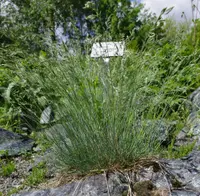
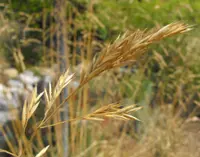
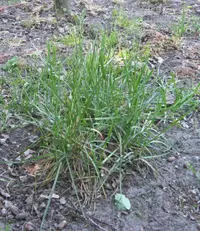
Festuca gautieri, often called bear skin fescue, is a compact evergreen grass that forms tight, rounded mounds of fine, needle-like foliage. It creates a dense, cushion-like texture that works well as an edging plant or groundcover in rock gardens and containers.
This species is native to mountainous regions of southwestern Europe, where it grows in rocky, well-drained soils with relatively low fertility. It is valued for its tolerance of poor soil, wind, and short dry periods, which makes it relatively easy to maintain once established.
In gardens, it prefers full sun, moderate moisture, and sharply drained soil. Understanding these natural conditions helps gardeners care for Festuca gautieri with fewer problems.

Care Difficulty
Easy Care

Light Preference
Full Sun

Water Requirements
Low Water

Temperature Preference
Cold Hardy

Hardiness Zone
4–8

Soil Texture
Sandy, Loamy, Rocky

Soil pH
Acidic (5.5–6.5), Slightly acidic (6.5–7.0)

Soil Drainage
Well-drained

Fertilization
Minimal (feed rarely)
Scan your plant to receive care tips personalized for your specific plant
Available on iOS and Android
This compact grass prefers bright, open conditions to form dense, even mounds.
This species prefers evenly draining, slightly dry-leaning soil rather than consistent moisture.
This cool-season grass thrives in mild climates and tolerates significant cold once established.
This grass tolerates typical outdoor humidity and usually does not need special humidity management.
Festuca gautieri prefers lean, sharply drained soil that mimics dry, rocky slopes.
This species is suitable for container growing when planted in a very free-draining setup.
This grass is adapted to lean soils, so Festuca gautieri needs only light feeding in most garden settings.
Pruning Festuca gautieri is mainly cosmetic and helps keep the mound dense and tidy.
This tufted grass is usually grown in the ground, with transplanting done infrequently to limit disturbance.
Division is the most practical method for increasing Festuca gautieri while keeping its characteristic mound form.
This species is generally cold hardy and needs minimal winter attention in typical temperate gardens.

Plant Health Check
Not sure what's wrong with your plant? Check your plant's health inside the app.
This species naturally forms very dense, hemispherical cushions that help it resist strong mountain winds and reduce water loss in its native Pyrenean and Cantabrian habitats.
It thrives on shallow, rocky, low-nutrient substrates where many other grasses fail, using a fine, fibrous root system to anchor into cracks and capture limited moisture.
Its ultra-fine, needle-like leaves remain evergreen in mild climates, providing year-round texture and color even under cold and relatively dry conditions.

In its native high-mountain range, this grass often occupies exposed rock ledges and scree slopes, where its tight mounds can stabilize small pockets of soil and create microhabitats that allow mosses and tiny alpine forbs to establish.
This species is a small, tufted evergreen grass. In mild climates it keeps its green color year-round, though older blades may brown and shed gradually. In colder regions, foliage can bronze slightly in winter but typically remains present.
Keep your plants happy and healthy with plant identification, disease detection, and easy care guidance.