Staggered reseeding
Overseed every 2–3 weeks during warm weather so new plants replace older, spent ones and keep a dense, uniform stand for forage, cover, or research plots.

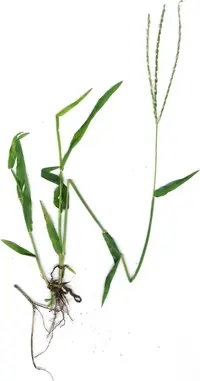
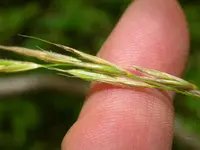
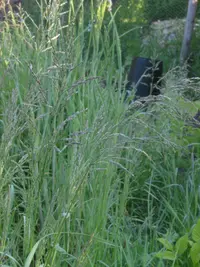
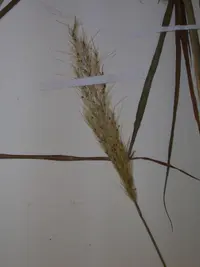
Southern crabgrass (Digitaria ciliaris) is an annual warm-season grass that spreads quickly, forming low, tufted clumps with branching, finger-like seed heads. It often appears in lawns, fields, and disturbed soils, especially in warm, humid regions. The plant thrives in full sun and tolerates poor, compacted soils, which contributes to its aggressive, weedy behavior. Once established, it reseeds heavily and can outcompete more desirable turf or groundcover species. Because of this vigorous growth and seed production, how to care for southern crabgrass focuses more on control and management than on intentional cultivation.

Care Difficulty
Easy Care

Light Preference
Full Sun

Water Requirements
Moderate Water

Temperature Preference
Warm Climate

Hardiness Zone
6–11

Soil Texture
Sandy, Loamy, Clay

Soil pH
Acidic (5.5–6.5), Slightly acidic (6.5–7.0)

Soil Drainage
Well-drained

Fertilization
Minimal (feed rarely)
Scan your plant to receive care tips personalized for your specific plant
Available on iOS and Android
This warm-season grass needs strong sun to form dense, vigorous growth in lawns or open ground.
This annual grass prefers consistently moist, sharply drained soil during active warm-season growth.
This warm-season annual grass thrives in sustained heat and declines as temperatures cool.
Humidity is not a major factor for Digitaria ciliaris, which adapts well to typical outdoor conditions.
Digitaria ciliaris thrives in light, free-draining soils and copes well with relatively poor substrates if structure and drainage are suitable.
This species can be grown in containers, mainly for controlled observation or temporary cultivation rather than ornamental display.
Digitaria ciliaris is a fast-growing annual grass that benefits from modest feeding in poor or disturbed soils.
Pruning Digitaria ciliaris is mainly about limiting spread and removing unwanted or unhealthy growth.
This grass is usually managed in the ground, so care focuses on transplanting seedlings or small clumps rather than routine repotting.
Digitaria ciliaris is most commonly propagated by seed, which establishes quickly in warm conditions.
This annual grass is not frost hardy and typically dies back completely with the first hard frosts, so winter care is minimal.

Plant Health Check
Not sure what's wrong with your plant? Check your plant's health inside the app.
This annual grass originated in the Old World tropics but now grows across warm and temperate regions worldwide, especially in disturbed soils such as crop fields, roadsides, and construction sites.
It forms multiple finger-like seed spikes that shed large numbers of small seeds, which helps it colonize bare ground quickly and makes long-term control in agriculture challenging.
As a C4 grass, it uses a photosynthetic pathway that allows efficient carbon fixation at high light and temperature, which explains its vigorous growth in hot summers and open, sunny habitats.

Southern crabgrass is a documented host for certain crop pathogens and pests, meaning dense stands can serve as a biological reservoir that helps agricultural diseases and insects persist between growing seasons.
Leaf browning usually comes from drought stress, compacted soil, mowing too short, or high foot traffic. Improve soil moisture, reduce stress on the area, and avoid scalping the lawn to help the grass recover.
Keep your plants happy and healthy with plant identification, disease detection, and easy care guidance.