Shear To Rejuvenate
Shear the clumps back to 8–10 in in late winter before new growth emerges to keep plants dense, upright, and less prone to lodging in summer storms.

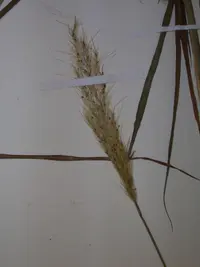
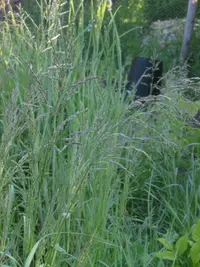
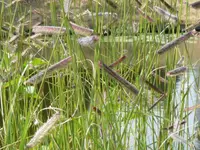
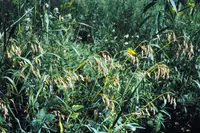
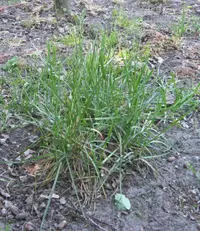
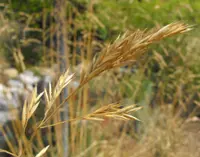
Silver beardgrass, Bothriochloa laguroides, is a warm-season perennial bunchgrass known for its soft, silvery seed heads that sway above narrow blue-green leaves. It forms loose clumps and brings fine texture and movement to naturalistic borders, meadows, and restoration plantings.
This grass is native to prairies and open areas in parts of North and South America, where it tolerates sun, wind, and seasonal dryness. Its drought tolerance and low fertility needs usually make it easy to establish and maintain once rooted, which helps guide how to care for silver beardgrass in home landscapes.
It generally prefers full sun, well-drained soil, and moderate to low moisture, performing best in sites that are not constantly wet or heavily shaded.

Care Difficulty
Easy Care

Light Preference
Full Sun

Water Requirements
Low Water

Temperature Preference
Warm Climate

Hardiness Zone
5–9

Soil Texture
Sandy, Loamy, Rocky

Soil pH
Slightly acidic (6.5–7.0), Neutral (7.0)

Soil Drainage
Well-drained

Fertilization
Minimal (feed rarely)
Scan your plant to receive care tips personalized for your specific plant
Available on iOS and Android
This warm-season grass performs best with strong, direct light in open sites.
This species is drought-tolerant and prefers infrequent, deeper watering once established.
This warm-season grass grows best in hot summers and tolerates a wide temperature range outdoors.
Humidity is rarely a limiting factor for Bothriochloa laguroides, which is naturally adapted to dry air.
Bothriochloa laguroides prefers lean, well-drained mineral soils and is sensitive to prolonged saturation.
This species can adapt to container growing if the pot and substrate favor rapid drainage and root aeration.
This drought-tolerant native grass needs only light feeding, so caring for silver beardgrass is straightforward.
Pruning Bothriochloa laguroides is minimal and mainly supports appearance and plant health.
This grass is usually grown in the ground, so focus on thoughtful transplanting rather than frequent repotting.
Bothriochloa laguroides is commonly propagated by division or seeds, depending on the grower’s goals.
This warm-season grass is generally cold hardy in much of its range and needs little specialized winter care.

Plant Health Check
Not sure what's wrong with your plant? Check your plant's health inside the app.
This grass is native to warm, open habitats of the central and southern United States and Mexico, where it occurs in prairies, savannas, roadsides, and disturbed sites rather than being an introduced ornamental species.
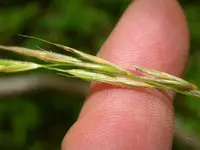
Mature inflorescences develop dense, silky hairs on the spikelets, giving the seed heads a soft, bearded look that helps the wind catch and disperse the seeds over short distances.
The species is especially frequent on dry, often calcareous or rocky soils and open slopes, reflecting its good adaptation to heat, drought, and relatively low soil fertility compared with many turf and forage grasses.
This grass expands slowly by short rhizomes and self-seeding but is not usually aggressive in gardens. In managed beds, occasional removal of unwanted seedlings keeps clumps contained and prevents it from drifting into areas where it is not desired.
Keep your plants happy and healthy with plant identification, disease detection, and easy care guidance.