Japanese Grass Sedge Care (Carex morrowii 'Ice Dance')

Also known as: Sedge

About Japanese Grass Sedge

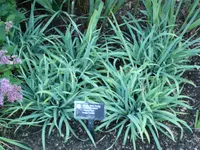
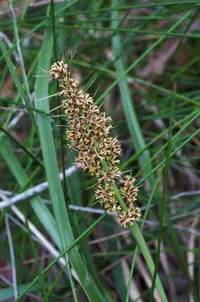
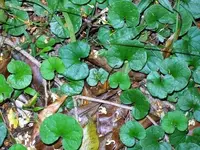
Carex morrowii 'Ice Dance', often called Japanese grass sedge, is a low, clumping ornamental sedge grown mainly for its neat, variegated foliage. It forms dense, arching tufts of green leaves edged with creamy white, creating a bright groundcover or edging in shaded borders. Native to woodlands and moist areas in Japan, this cultivar is adapted to cool, temperate gardens and stays evergreen in mild climates. It is valued for its reliability, moderate growth rate, and tolerance of shade, which makes it relatively simple to care for Japanese Grass Sedge. It prefers consistent moisture, humus-rich soil, and protection from hot, direct sun.

Main Plant Requirements

Care Difficulty

Easy Care

Light Preference

Partial Shade

Water Requirements

Keep Soil Moist

Temperature Preference

Cold Hardy

Hardiness Zone

5–9

Soil Texture

Loamy, Clay, Organic-rich

Soil pH

Acidic (5.5–6.5), Slightly acidic (6.5–7.0)

Soil Drainage

Moist but well-drained

Fertilization

Minimal (feed rarely)

Get Personalized Care Plan

Scan your plant to receive care tips personalized for your specific plant

Available on iOS and Android

How to Care for the Japanese Grass Sedge

This sedge prefers bright, indirect light with some protection from harsh midday sun.

  • Provide 3–5 hours of gentle morning sun or bright filtered light; dappled shade under open trees suits Japanese Grass Sedge well.
  • In hot climates, shield from strong afternoon sun to prevent leaf scorch and bleached variegation, especially on dry or exposed sites.
  • In cooler regions, choose a spot with high light but not full, all-day sun; too much deep shade causes weak, floppy growth and sparse variegation.

This grass-like sedge prefers consistently moist but not waterlogged soil.

  • Water when the top 2–3 cm of soil feels slightly dry, aiming to keep the root zone evenly damp, especially during the first growing season.
  • Use soil with good drainage; soggy ground leads to yellowing, limp leaves and root rot, while crisp, browning leaf tips signal underwatering or prolonged dryness.
  • Reduce watering frequency in cool, wet seasons but monitor during hot, windy spells when moisture evaporates faster, particularly in exposed beds.

This cool-season sedge handles a wide temperature range but grows best in moderate conditions.

  • Ideal active growth occurs around 55–75°F (13–24°C), with strongest performance in cool spring and fall weather.
  • Mature clumps tolerate down to about -10°F (-23°C) with mulch, but foliage may burn or flatten in severe freeze and then regrow from the crown.
  • Heat tolerance extends to about 85–90°F (29–32°C) if soil stays moist and roots are shaded; prolonged hotter periods can cause stress and slower growth.

This sedge handles a wide humidity range but stays freshest in moderately moist air.

  • Aim for 40–60% humidity to keep foliage tips from drying and browning.
  • It tolerates typical dry indoor air but may show crispy edges and slower growth when air is very dry for long periods.
  • Increase humidity by grouping pots, placing trays with water and pebbles nearby, or lightly misting during prolonged dry spells when caring for Japanese Grass Sedge.

This sedge prefers consistently moist, well-drained, organic-rich soil that never becomes waterlogged or bone dry.

  • Use a loamy mix with high organic matter, such as 2 parts compost or leaf mold to 1 part garden soil and 1 part fine bark or perlite.
  • Maintain evenly moist but not saturated conditions; soil should drain within a few minutes after watering yet stay slightly damp below the surface.
  • Target a slightly acidic to neutral pH around 6.0–7.0, avoiding strongly alkaline or salty soils that can weaken Carex morrowii 'Ice Dance'.
  • Improve aeration and drainage in heavy clay by incorporating coarse sand, fine bark, or grit through at least the top 15–20 cm.

This sedge is well suited to container growing outdoors on patios, balconies, and shaded entrances.

  • Choose a wide, stable pot to accommodate its spreading clumps and prevent tipping in wind or heavy rain.
  • Select a slightly heavier material like ceramic or clay if the site is windy, to keep the container steady as foliage thickens.
  • Use a moisture-retentive but free-draining mix and water thoroughly until excess runs out, then let only the top 2–3 cm dry before watering again.

This sedge grows well with modest feeding, especially when grown in containers or poor soil.

  • Use a balanced slow-release fertilizer (such as 10-10-10) or a light top-dressing of compost in early spring.
  • Feed outdoor clumps 1–2 times during the growing season; container-grown Japanese Grass Sedge can benefit from monthly diluted liquid feed.
  • Dilute liquid fertilizers to 1/2 strength to avoid leaf tip burn and salt buildup in the root zone.
  • Stop fertilizing in late summer so growth can harden before winter, and do not feed during winter dormancy.

Carex morrowii 'Ice Dance' benefits from light annual pruning to keep the clump tidy and healthy.

  • In late winter or very early spring, remove dead, brown, or damaged blades with sharp hand pruners or shears.
  • Trim back the oldest, shabbiest foliage by up to 1/3 to refresh color and encourage new, dense growth.
  • Thin out overly crowded sections by cutting selected fans at the base to maintain an even, mounded form.
  • Disinfect tools before and after use to reduce the risk of spreading fungal or bacterial issues.

This sedge is usually grown in the ground, but container plants or crowded clumps benefit from occasional transplanting or division.

  • Plan transplanting or repotting in early spring or early fall, when temperatures are mild and moisture is reliable.
  • Look for signs such as roots circling the pot, slow growth, or a congested center with thinning foliage.
  • Divide clumps into sections with healthy roots and several shoots, then replant at the same depth in moist, well-drained soil.
  • Water thoroughly after moving, keep evenly moist for several weeks, and shade from strong sun to reduce transplant shock.

Carex morrowii 'Ice Dance' is most reliably propagated by division rather than by seed.

  • Divide established clumps in early spring or early fall when soil is cool and moist.
  • Lift the plant with a spade or fork and gently tease or cut the root mass into several healthy sections.
  • Replant divisions immediately at the original soil level, spacing to allow future spread and airflow.
  • Water well after planting and maintain consistent moisture until new growth shows that roots have re-established.

This evergreen sedge is generally cold hardy and needs only minimal winter care in most temperate gardens.

  • In regions with freeze-thaw cycles, apply a 5–7 cm mulch layer around the root zone, keeping it slightly away from the crowns.
  • Leave most foliage in place over winter to shield the crown, cutting back only severely damaged leaves in late winter.
  • Move containers into a sheltered, unheated spot like a garage or against a wall to reduce root freezing and drying winds.

Care Tips

Shear For Renewal

Shear the foliage back by about one-third in late winter before new growth starts to quickly refresh the clump and remove tattered, discolored blades.

Edge Barrier Use

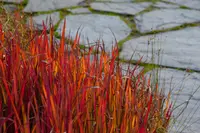
Install a shallow physical edging strip 5–8 cm deep around beds to prevent this sedge from slowly creeping into lawns or adjacent planting areas via short rhizomes.

Divide To Maintain

Lift and divide congested clumps every 3–4 years in early spring, replanting only the vigorous outer sections to maintain strong variegation and tidy growth.

Mulch Collar Placement

Apply a 3–5 cm layer of fine mulch around but not touching the crowns to keep roots cool and moist while reducing weed pressure without risking crown rot.

Snow And Debris Clearing

After snow, ice, or heavy leaf fall, gently brush off the foliage to prevent matting, which can trap moisture and promote fungal spotting when growing Japanese Grass Sedge.

Common Pests and Diseases

Rust

This disease causes small orange, brown, or rust-colored pustules on leaf surfaces, often leading to yellowing and early dieback of foliage.

Solution

Remove and discard affected leaves, avoid overhead watering, and improve air circulation around clumps; in recurrent cases, apply a sulfur or chlorothalonil-based fungicide according to label directions during warm, humid periods.

Leaf spot

This disease produces tan, brown, or dark purple spots on blades, sometimes with a yellow halo, which can merge into larger dead patches in dense or shaded plantings.

Solution

Trim out heavily spotted foliage, thin crowded clumps to increase airflow, keep irrigation at the soil level, and use a labeled ornamental grass fungicide if new spots continue to appear during wet conditions.

Spider mites

These pests cause fine stippling, dull or grayish foliage, and delicate webbing, especially during hot, dry weather or in indoor or container settings.

Solution

Rinse foliage thoroughly with a strong but gentle stream of water, raise humidity around the plant, and, if populations persist, treat undersides of leaves with insecticidal soap or horticultural oil applied on a 7–10 day schedule.

Aphids

These insects cluster on tender new growth and leaf bases, sucking sap and causing curling or distortion, sometimes leaving sticky honeydew that can attract sooty mold.

Solution

Squash or hose off colonies, encourage natural predators such as lady beetles outdoors, and use insecticidal soap or a light horticultural oil spray directed at infested areas, repeating as needed until new growth emerges clean.

Interesting Facts

Variegation origin

The cream-edged leaves of this cultivar come from a stable genetic mutation selected from the wild green species Carex morrowii in Japan, which is why the variegation stays consistent rather than reverting easily to green.

Shade-brightening foliage

Unlike many ornamental grasses that fade or thin out in low light, this sedge maintains dense, arching foliage and clear variegation in shade, making it useful for underplanting around shrubs and trees.

Cold-hardy evergreen habit

In many temperate climates this plant stays semi-evergreen through winter, with foliage only lightly bronzing in cold, which provides year-round texture even where other ornamental grasses die back completely.

Botan icon

Did you know?

This cultivar is part of a long Japanese tradition of selecting distinctive sedges and other small grasses for subtle garden design, especially in shaded courtyard and temple gardens, where its controlled clumping habit and calm color pattern are valued for visual balance.

FAQs about Japanese Grass Sedge

This sedge forms slow, tidy clumps and spreads gradually by short rhizomes. It is not considered aggressive. Edges can be trimmed or clumps divided every few years to keep planting areas clearly defined.

Grow Healthy Plants with Botan Care

Keep your plants happy and healthy with plant identification, disease detection, and easy care guidance.

Botan plant care app — identify plants on mobile

Explore More Plants