Encourage Dense Clumps
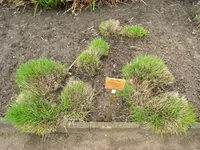
Mow or trim plants back to 7–10 cm in late spring to stimulate basal tillering, which keeps clumps dense and reduces lodging in windy sites.

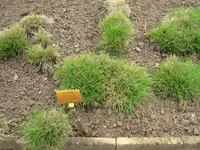
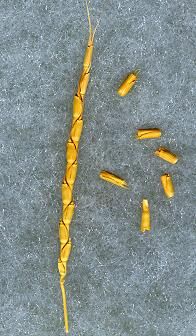
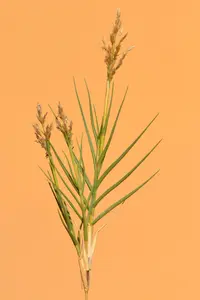
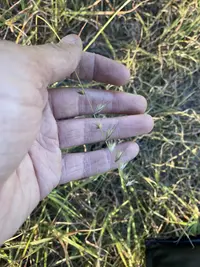
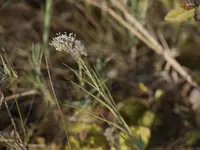
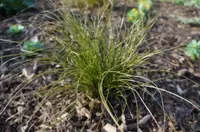
Hairy grama (Bouteloua hirsuta) is a small, warm-season bunchgrass native to dry prairies and open rocky slopes in North America. It forms loose clumps with fine leaves and distinctive, one-sided seed spikes that give a soft, tufted look.
This grass is adapted to heat, sun, and low moisture, which makes it relatively easy to maintain once established. It suits low-input lawns, naturalistic plantings, and erosion control where soils are lean and drainage is good.
Because it evolved in harsh conditions, it tolerates drought and poor soils better than many ornamental grasses. Gardeners who want to care for hairy grama should focus on providing strong light and avoiding consistently wet ground.

Care Difficulty
Easy Care

Light Preference
Full Sun

Water Requirements
Low Water

Temperature Preference
Cold Hardy

Hardiness Zone
4–9

Soil Texture
Sandy, Loamy, Rocky

Soil pH
Slightly acidic (6.5–7.0), Slightly alkaline (7.0–7.5)

Soil Drainage
Well-drained

Fertilization
Minimal (feed rarely)
Scan your plant to receive care tips personalized for your specific plant
Available on iOS and Android
This warm-season prairie grass prefers bright, open sites with long daily sun exposure.
This drought-adapted grass prefers infrequent, deep watering in well-drained soil.
This species is a hardy warm-season grass that tolerates both heat and substantial cold.
This warm-season grass tolerates a wide humidity range and rarely needs special humidity management.
Bouteloua hirsuta prefers lean, mineral soil that drains quickly and does not stay wet.
This species can grow in containers outdoors if the pot is prepared for its deep, drought-tolerant root system.
This drought-tolerant native grass needs only light feeding, making caring for hairy grama low-input for most gardens.
Pruning for Bouteloua hirsuta is minimal and mainly aimed at tidiness and maintaining the clump’s form.
This grass is most often grown in the ground, so transplanting clumps is more common than repotting container plants.
Bouteloua hirsuta is commonly propagated by seed or by division of established clumps.
This species is cold hardy through typical winters in much of its native and cultivated range and needs little special care.

Plant Health Check
Not sure what's wrong with your plant? Check your plant's health inside the app.
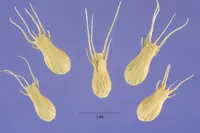
The inflorescences have short, bristly awns that give the seed heads a distinctive hairy or eyelash-like look, which is the origin of the common name hairy grama.
This warm-season C4 grass develops a relatively deep, fibrous root system for its small size, allowing it to survive in thin, rocky, or drought-prone soils where many cool-season grasses decline.
Hairy grama often occurs in association with other shortgrasses on upland and shallow soil sites, where its dense tufted growth helps reduce soil erosion and maintain plant cover under prolonged dry conditions.

Hairy grama is native to a wide band of North America from the Great Plains into parts of Mexico, and within this range it shows local variation in growth form and hairiness that reflects adaptation to different elevations, soils, and aridity levels.
This species establishes at a moderate rate. Seedlings may take 2–3 growing seasons to form noticeable clumps. Once established, it responds faster to favorable conditions, filling in gaps steadily but not aggressively spreading or becoming weedy.
Keep your plants happy and healthy with plant identification, disease detection, and easy care guidance.