Tausch's goatgrass Care (Aegilops tauschii)

Tausch's goatgrass

About Tausch's goatgrass

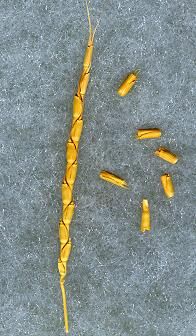
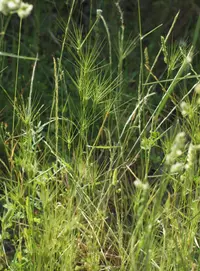
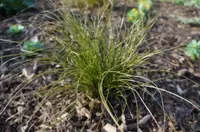
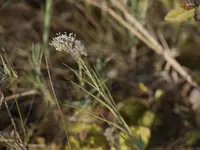
Tausch's goatgrass (Aegilops tauschii) is an annual grass species closely related to cultivated wheat. It forms upright, slender clumps with narrow leaves and bristled seed heads. Plants usually stay modest in size and have a typical bunchgrass habit.

This species is native to western and central Asia but has naturalized in some other regions, often in dry, open fields and disturbed soils. It is adapted to relatively poor, well-drained soils and can tolerate drought once established, which generally makes it easy to maintain.

Those who want to care for Tausch's goatgrass should know it prefers full sun, low to moderate moisture, and soils that do not stay waterlogged.


Main Plant Requirements

Care Difficulty

Easy Care

Light Preference

Full Sun

Water Requirements

Low Water

Temperature Preference

Cold Hardy

Hardiness Zone

5–9

Soil Texture

Sandy, Loamy, Clay

Soil pH

Slightly acidic (6.5–7.0), Slightly alkaline (7.0–7.5)

Soil Drainage

Well-drained

Fertilization

Minimal (feed rarely)

Get Personalized Care Plan

Scan your plant to receive care tips personalized for your specific plant

Available on iOS and Android

How to Care for the Tausch's goatgrass

This wild annual grass prefers bright, open conditions similar to its native steppe habitats.

  • Provide 6–8 hours of direct sun daily; full sun promotes sturdy growth and good seed set for Tausch's goatgrass.
  • It tolerates light partial shade, especially with morning sun and light afternoon shade, but dense shade leads to weak, floppy stems and fewer spikes.
  • In hot, dry regions, slight afternoon shade or very open filtered light reduces leaf scorch, while winter-sown plants can use low-angle sun without protection.

This species is naturally drought-tolerant and prefers relatively dry, free-draining conditions.

  • Water field-grown plants only when the top 5–7 cm of soil are dry and plants show slight leaf droop, then moisten the root zone deeply.
  • Use sandy or loamy soil with excellent drainage; standing water or heavy clay greatly increases risk of root rot in Aegilops tauschii.
  • In cool, wet seasons, avoid extra irrigation and monitor for yellowing, soft leaf bases as signs of overwatering; crisp, browning tips suggest prolonged dryness.

This grass is adapted to continental climates with cool seasons and warm, dry summers.

  • Optimal active growth occurs around 50–70°F (10–21°C), especially during the cool, moist part of the season when tillers and leaves develop.
  • Mature plants tolerate down to about 20°F (-6°C) with minimal damage, but young seedlings are more sensitive to hard frost and may be set back below 25°F (-4°C).
  • During hot spells above 90°F (32°C), it usually survives if soil is not waterlogged; extended extreme heat plus high humidity can shorten its productive period.

This species tolerates a wide humidity range and rarely needs special humidity management in cultivation.

  • Target 30–60% relative humidity, similar to typical outdoor air in temperate regions.
  • Plants cope well with dry air; humidity stress usually appears only alongside drought, as rolling or browning leaf tips.
  • If air is very dry and hot, reduce stress by mulching the soil surface and avoiding hot, reflective sites.

This grass prefers lean, mineral soils with strong drainage rather than rich, heavy substrates.

  • Use a sandy or sandy-loam mix with 20–40% coarse sand or grit to mimic Aegilops tauschii native steppe conditions.
  • Ensure rapid drainage; soil should dry quickly after rain or irrigation and never stay waterlogged.
  • Aim for a slightly alkaline to neutral pH around 7.0–8.0; avoid strongly acidic substrates below pH 6.0.
  • Improve aeration and drainage by blending washed sand and fine gravel into existing loam while limiting high-organic compost additions.

This species can be grown in containers for experimental or breeding use rather than ornamental display.

  • Choose a pot at least 25–30 cm deep to allow the fibrous root system to anchor and support upright culms.
  • Use a heavy clay or ceramic container outdoors to prevent tipping as mature plants gain height and seed heads.
  • Raise the pot on feet or bricks so drainage holes stay clear and excess water exits quickly after irrigation or rain.

This wild grass generally needs little feeding, as Aegilops tauschii is adapted to low-nutrient soils.

Pruning Aegilops tauschii is minimal and mainly hygiene-focused for small plantings or research plots.

  • Cut back dead or winter-killed foliage at the end of the growing season using clean, sharp shears.
  • Remove diseased or damaged stems immediately to limit pathogen spread and improve air flow.
  • Thin overly dense clumps lightly if needed, focusing on the weakest stems while keeping the plant’s natural form.

Transplanting is more relevant than repotting, as this grass is usually grown in field plots rather than long-term containers.

  • Plan transplanting for cool, mild weather in early spring or early autumn to reduce stress.
  • Move plants when growth slows and roots densely fill the plug or small pot, showing circling at drainage holes.
  • Lift with as much rootball as possible, keep roots moist but not waterlogged, and replant at the same soil depth.
  • Water gently after transplanting and shade for a few days if conditions are hot, to support recovery.

Aegilops tauschii is most commonly propagated by seed for field, breeding, or research use.

  • Sow seeds in late winter to early spring, indoors in trays or directly outdoors once soil is workable.
  • Provide well-drained, moderately fertile soil and light cover of 0.5–1 cm soil over the seeds.
  • Maintain even moisture but avoid waterlogging during germination and early seedling growth.
  • Thin or transplant seedlings to final spacing once they have 2–3 true leaves and strong root development.

Mature plants are generally cold hardy in temperate climates and usually need little winter intervention.

  • In exposed sites, apply a light mulch around the base to stabilize soil temperature without burying crowns.
  • Avoid waterlogged soils in winter, since saturated conditions increase root rot risk in dormant clumps.
  • For container-grown plants, move pots to a sheltered, unheated area to limit freeze–thaw stress on roots.

Care Tips

Targeted weed control

Use a narrow hoe or hand weeder to remove competing grasses and broadleaf weeds along the drill lines without disturbing the shallow root zone, since early-season weed suppression has a strong impact on stand density and tiller development.

Monitor for lodging

In exposed, windy sites, avoid overly dense sowing and consider low-profile windbreaks or alternating row directions so stems remain upright and seed heads dry evenly, which reduces disease risk and eases harvest.

Seed head protection

If birds are a problem near maturity, use lightweight netting over the stand or install simple reflective tape on stakes around the plot to reduce seed loss before collection.

Timely seed harvest

Check seed heads frequently as they turn from green to straw-colored and harvest in several passes if needed, since Aegilops tauschii can shatter easily once fully ripe, especially in hot, dry conditions.

Small-plot succession

For research or small-seed production, stagger sowing dates by 1–2 weeks in adjacent rows so you can spread labor for monitoring, disease scouting, and harvest while maintaining consistent conditions for growing Tausch's goatgrass.

Common Pests and Diseases

Leaf rust

This disease causes small orange-brown pustules on leaves and leaf sheaths, which can merge into larger patches and reduce photosynthesis. Symptoms include premature leaf yellowing and drying under conducive humid, mild conditions.

Solution

Remove and destroy heavily infected foliage where feasible and avoid overhead irrigation that keeps leaves wet for long periods. In field settings, use resistant lines where available, rotate with non-host crops, and apply a registered cereal rust fungicide preventively or at first visible pustules according to local extension guidelines.

Powdery mildew

This disease produces white, powdery fungal growth on both sides of leaves and stems, often starting as small spots that enlarge and coalesce. Symptoms include leaf distortion, chlorosis, and reduced vigor under cool, dry-to-moderate humidity conditions.

Solution

Improve air movement through appropriate spacing and by limiting dense surrounding vegetation, and avoid excessive nitrogen fertilization that promotes lush, susceptible growth. In field stands, select resistant material when possible and apply a labeled mildew fungicide early in an outbreak if environmental conditions favor continued spread.

Fusarium head blight

This disease affects flowering spikes, leading to bleached spikelets, shriveled grains, and sometimes pinkish or salmon fungal growth on the heads. Symptoms include partial head bleaching while lower leaves may remain green, especially following warm, wet weather during flowering.

Solution

Avoid irrigation or overhead watering during flowering and reduce crop residue that carries Fusarium by rotating with non-cereal crops and using appropriate tillage where agronomically suitable. In agricultural production, plant less susceptible genotypes and, when advised by local disease forecasts, use a triazole-based fungicide timed at early flowering to limit infection.

Hessian fly

This pest is a small midge whose larvae feed at the base of seedlings and tillers, causing stunted plants, darkened lower stems, and lodging in severe cases. Symptoms include weakened or dead tillers and reduced stand density, particularly in young plants.

Solution

Use fly-free planting dates recommended for the local area so that seedlings emerge after peak adult flight, and destroy volunteer cereals and grass weeds that act as hosts. In larger plantings, choose resistant cereal relatives when available and rotate with non-host crops to break the pest life cycle.

Cereal aphids

These insects cluster on leaves, stems, and sometimes spikes, sucking sap and excreting sticky honeydew that can support sooty mold. Symptoms include leaf curling, yellowing, reduced vigor, and possible transmission of barley yellow dwarf virus.

Solution

Encourage natural enemies such as lady beetles by minimizing broad-spectrum insecticides, and monitor regularly so that infestations are treated early. For higher-density stands, use strong water sprays on small patches where practical or apply a selective aphidicide according to local thresholds and label directions as part of integrated Aegilops tauschii care instructions.

Interesting Facts

Genome donor to wheat

This wild grass is the D-genome donor of modern bread wheat, providing genes that influence grain quality, cold tolerance, and disease resistance. Its genetic diversity is actively used in wheat breeding programs worldwide.

High disease resistance

Populations of this species carry multiple genes that confer resistance to important wheat diseases such as leaf rust, stem rust, and powdery mildew. Plant breeders cross it with wheat to introduce these resistance traits into new cultivars.

Native steppe specialist

The species is naturally distributed from the Caucasus region through Iran and Central Asia, thriving in dry steppe and semi-desert habitats. It is well adapted to poor, shallow soils and continental climates with cold winters and hot, dry summers.

Botan icon

Did you know?

This species shows unusually high tolerance to salt and drought stress compared with many cultivated wheats, which is why its wild populations are systematically collected and stored in gene banks as a strategic resource for breeding climate-resilient cereal crops.

FAQs about Tausch's goatgrass

This species grows relatively quickly for a cool-season annual grass. From seed, it usually reaches flowering size within a few months, especially in disturbed or cultivated soils where competition from other plants is low.

Grow Healthy Plants with Botan Care

Keep your plants happy and healthy with plant identification, disease detection, and easy care guidance.

Botan plant care app — identify plants on mobile

Explore More Plants