Greene's mountain ash Care (Sorbus scopulina)

Also known as: Cascade mountain-ash, Arizona Mountain Ash
Greene's mountain ash

About Greene's mountain ash

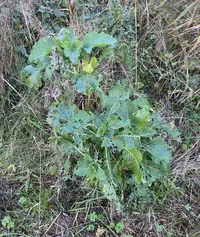
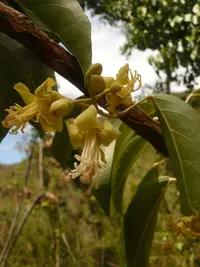
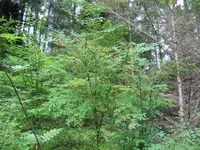
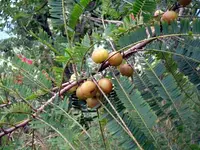
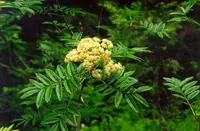
Greene's mountain ash, Sorbus scopulina, is a small deciduous tree or large shrub native to western North America, often found on rocky slopes and mountain forests. It typically has an upright, open habit with clusters of white spring flowers and bright orange-red berries that follow.

The foliage is made of divided, feather-like leaves that turn warm shades in autumn, giving the plant strong seasonal interest. Birds are attracted to the fruit, which adds to its value in naturalistic gardens.

This species is generally hardy and adaptable, but it prefers full sun, moderate moisture, and well-drained, slightly acidic soil. Understanding these basic needs makes it easier to care for Greene's mountain ash in suitable climates.

Main Plant Requirements

Care Difficulty

Moderate Care

Light Preference

Full Sun

Water Requirements

Moderate Water

Temperature Preference

Cold Hardy

Hardiness Zone

3–7

Soil Texture

Sandy, Loamy, Rocky

Soil pH

Acidic (5.5–6.5), Slightly acidic (6.5–7.0)

Soil Drainage

Well-drained

Fertilization

Minimal (feed rarely)

Get Personalized Care Plan

Scan your plant to receive care tips personalized for your specific plant

Available on iOS and Android

How to Care for the Greene's mountain ash

This shrub prefers cool, bright conditions that mimic open mountain habitats.

  • Provide full sun to light shade, aiming for 6–8 hours of direct sun daily for strongest growth and best fruiting.
  • Allow light afternoon shade in hotter regions to reduce leaf scorch, especially on young Greene's mountain ash plants.
  • In colder climates, choose a site with maximum winter and early spring sun to warm the soil, but avoid deep shade, which leads to sparse, weak branches.

This species prefers evenly moist but not saturated soil once established in the landscape.

  • Water deeply when the top 3–5 cm of soil feels dry, allowing moisture to reach the root zone rather than giving frequent shallow drinks.
  • Reduce watering frequency in cool, wet seasons and on mature trees, but increase during prolonged drought if leaves start to droop or curl at the edges.
  • Ensure soil drains freely; soggy conditions, yellowing leaves, and dieback tips often indicate overwatering or poor drainage for Sorbus scopulina.

This mountain ash is naturally adapted to cool, continental climates with cold winters.

  • Optimal growing temperatures are about 55–75°F (13–24°C), with strongest shoot and root growth in the cooler part of this range.
  • The tree tolerates winter lows near -30°F (-34°C) once established, but young plants benefit from protection from drying winter winds.
  • It handles moderate summer heat up to about 85–90°F (29–32°C) if soil moisture is maintained, but prolonged hotter periods can stress foliage and reduce vigor.

This species is adapted to relatively dry, upland air and rarely needs humidity adjustment outdoors.

  • Target 30–50% humidity, which is typical for outdoor and unmodified indoor air in most homes.
  • Greene's mountain ash tolerates brief drops below 30% humidity but may show tip browning and quicker leaf drop if combined with heat stress.
  • Increase local humidity only if leaves scorch by grouping plants, mulching the root zone, or using a nearby pebble tray rather than misting.

Sorbus scopulina prefers mineral, well-drained soil that mimics rocky mountain slopes.

  • Use a mix of roughly 50% sandy or loamy garden soil, 30–40% coarse sand or small grit, and 10–20% compost for modest fertility.
  • Aim for slightly acidic to neutral pH around 6.0–7.0, avoiding limy or strongly alkaline ground that can limit nutrient uptake.
  • Ensure sharp drainage by avoiding compacted clay; improve aeration with coarse sand, fine gravel, or perlite blended through the planting area.
  • Avoid waterlogged sites, depressions that collect runoff, or heavily mulched, consistently wet beds that increase root rot risk.

This species is only moderately suitable for container growing and works best in large, stable outdoor pots.

  • Choose a deep, heavy container (e.g., thick-walled ceramic) to reduce tipping as the canopy becomes taller and wind-exposed.
  • Fill the pot with a gritty, mineral-based mix that includes coarse sand or small gravel to prevent perched water at the base.
  • Position the container where wind is somewhat buffered, since restricted root volume reduces anchoring strength compared with in-ground planting.

This native tree usually needs little feeding in average garden soil, but light fertilization can support young Greene's mountain ash during establishment.

  • Use a balanced slow-release NPK fertilizer or a thin layer of compost in early spring for young or nutrient-poor plantings.
  • Feed once per year during the growing season; avoid multiple high-dose applications that can cause weak, fast growth.
  • Apply at 1/2 label strength for container plants, and water in thoroughly to distribute nutrients through the root zone.
  • Stop feeding by late summer so new growth hardens before winter, and do not apply fertilizer while the tree is dormant.

Pruning Sorbus scopulina is mainly about safety and structure, not heavy shaping.

  • Schedule main pruning during late winter to very early spring while the tree is still dormant.
  • Remove dead, diseased, or storm-damaged branches first, cutting back to healthy wood with clean, sharp bypass pruners or a small saw.
  • Thin crowded interior branches to improve air flow and light penetration, preserving the tree’s natural form.
  • Limit heading cuts; instead use selective thinning cuts to maintain size while supporting strong branch structure and fruiting.

This species is usually grown in the ground, so focus on careful transplanting of young Sorbus scopulina rather than frequent repotting.

  • Transplant in early spring or early fall when temperatures are mild and soil is moist but not waterlogged.
  • Look for signs such as roots circling the pot, slow growth, or the root ball drying out quickly to decide when to move container-grown saplings.
  • Shift young trees to a hole 2–3× wider than the root ball, loosening outer roots gently to reduce circling and improve establishment.
  • Water deeply after planting, apply 5–8 cm of mulch over the root zone, and keep soil evenly moist for the first season to limit transplant shock.

Propagation of Sorbus scopulina is most reliable from seed, although it requires specific treatment for good germination.

  • Collect ripe berries in late summer to fall, clean off pulp, and use only healthy, fully formed seeds.
  • Provide cold stratification by storing moist seeds in peat or sand at 34–41°F for 3–4 months to break dormancy.
  • Sow stratified seeds in a well-drained, gritty seed mix, keeping the surface just moist in bright, indirect light.
  • Softwood cuttings taken in early summer may root in a humid propagator with rooting hormone, but success rates are usually lower than with seed.

This mountain ash is naturally cold hardy and usually needs minimal winter care once established in the landscape.

  • In regions with severe freeze-thaw cycles, apply 5–8 cm of organic mulch over the root zone, keeping it a few cm away from the trunk.
  • Support young or recently transplanted trees with consistent moisture in fall so roots enter winter hydrated, not waterlogged.
  • Move container-grown specimens into a sheltered, unheated area where roots stay above about 10–15°F and soil does not freeze solid.

Care Tips

Wind‑hardening young trees

In the first 2–3 seasons, stake lightly but allow some trunk movement so the tree develops stronger wood and anchoring roots, then remove stakes once it stands rigidly on its own.

Targeted sucker control

Inspect the base monthly and cut root suckers flush with the root collar rather than ripping them, which reduces stress and keeps the plant focused on building a single, strong framework.

Bird and fruit management

If heavy bird activity strips fruit too early, use loose mesh netting only during peak ripening, then remove it promptly to avoid tangling wildlife and to maintain easy access for pruning.

Snow and ice protection

In regions with wet, heavy snow, gently shake or brush accumulation off young or narrow branches during thaws to reduce the risk of splitting or bending.

Long‑term structure planning

When caring for Greene's mountain ash, remove closely crossing or steeply upright secondary branches while the tree is young to create a more open, durable crown that resists storm damage.

Common Pests and Diseases

Mountain-ash sawfly

This pest defoliates leaves rapidly, often skeletonizing leaflets and leaving only midribs. Symptoms include clusters of small greenish to yellow larvae feeding along leaf edges in late spring to early summer.

Solution

Handpick larvae from small trees, or prune out heavily infested shoots early. For larger trees, use a strong water spray to dislodge larvae and, if needed, apply a targeted Bacillus thuringiensis (Bt) or spinosad product labeled for sawflies, following local timing recommendations for caring for Greene's mountain ash outdoors.

Fire blight

This disease causes sudden blackening and wilting of blossoms, shoots, and young branches that often bend into a characteristic shepherd’s crook. Symptoms include scorched-looking leaves that remain attached to twigs.

Solution

Prune out infected shoots at least 20–30 cm below visible symptoms during dry weather, disinfecting tools between cuts. Avoid high-nitrogen fertilization, reduce overhead watering on foliage, and consider a copper-based or other registered fire blight spray during bloom if the disease is common in the area.

Powdery mildew

This disease appears as white to gray powdery patches on leaf surfaces, sometimes leading to leaf distortion and premature drop. Symptoms include reduced vigor in heavily affected young trees.

Solution

Improve air circulation by pruning crowded branches and avoiding dense understory growth. Rake and dispose of infected leaves, water at soil level, and if needed apply a sulfur or other labeled fungicide at the first sign of mildew, repeating as directed during humid periods.

Aphids

These insects feed on young shoots and leaf undersides, causing curling, yellowing, and sticky honeydew that can lead to sooty mold growth. This pest is often most noticeable on soft new growth in spring and early summer.

Solution

Spray colonies off with a firm stream of water and encourage natural predators such as lady beetles by avoiding broad-spectrum insecticides. For persistent infestations, use insecticidal soap or horticultural oil, coating the undersides of leaves and repeating at intervals as directed.

Scale insects

These insects appear as small, immobile bumps on twigs and branches, sucking sap and weakening the tree over time. Symptoms include yellowing foliage, twig dieback, and sometimes honeydew and sooty mold.

Solution

Prune out and discard heavily infested twigs where practical and gently scrub small colonies off bark with a soft brush. Apply horticultural oil during the dormant season to smother overwintering stages, and if needed follow up with a lighter oil or other labeled product targeting crawler stages in spring or early summer.

Interesting Facts

Mountain stream specialist

This species is native to rocky slopes and stream banks in western North America, where it often anchors unstable, gravelly soils at mid to high elevations and benefits from snowmelt moisture.

Key wildlife food source

Its small orange-red pomes (berry-like fruits) are eaten by many mountain birds and mammals, including grouse, thrushes, and bears, which help disperse the seeds across rugged terrain.

Cold-adapted physiology

Greene's mountain ash shows strong cold tolerance and is naturally adapted to short growing seasons, making its leaves, flowers, and fruits synchronized with high-elevation temperature and light patterns.

Botan icon

Did you know?

Despite the name, Greene's mountain ash is not a true ash; it belongs to the rose family (Rosaceae), while true ashes are in the olive family (Oleaceae), so the similarity is only in the foliage appearance, not in close evolutionary relationship.

FAQs about Greene's mountain ash

This species is generally moderate-growing, adding about 20–40 cm per year under good conditions. Growth slows in poor, dry, or compacted soils. Providing consistent moisture, mulch, and room for roots encourages steadier annual extension growth when you grow Sorbus scopulina.

Grow Healthy Plants with Botan Care

Keep your plants happy and healthy with plant identification, disease detection, and easy care guidance.

Botan plant care app — identify plants on mobile

Explore More Plants