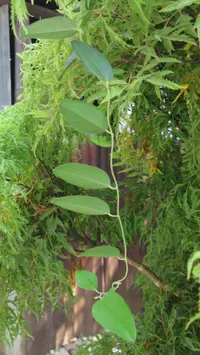
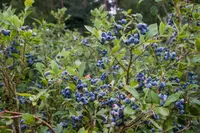
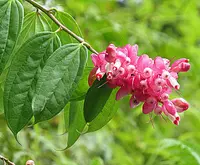
skunk currant Care (Ribes glandulosum)

skunk currant

About skunk currant

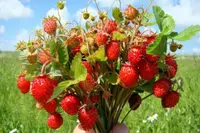
Skunk currant (Ribes glandulosum) is a low, spreading deciduous shrub grown mainly for its wildlife value rather than showy fruit. It typically forms loose thickets with small, lobed leaves and clusters of red berries that are more attractive to birds than to people.

This species is native to cool, moist habitats in northern North America, including forest edges, wetlands, and rocky slopes. It adapts best to cool climates and is not suited to hot, dry sites.

Ribes glandulosum is moderately easy to grow where the climate matches its natural range, especially in part shade with consistently moist, well-drained soil. Understanding how to care for skunk currant starts with matching its need for cool temperatures and steady moisture.

Main Plant Requirements

Care Difficulty

Moderate Care

Light Preference

Partial Shade

Water Requirements

Moderate Water

Temperature Preference

Cold Hardy

Hardiness Zone

2–6

Soil Texture

Loamy, Sandy, Organic-rich

Soil pH

Acidic (5.5–6.5), Slightly acidic (6.5–7.0)

Soil Drainage

Moist but well-drained

Fertilization

Minimal (feed rarely)

Get Personalized Care Plan

Scan your plant to receive care tips personalized for your specific plant

Available on iOS and Android

How to Care for the skunk currant

This shrub prefers cool, bright conditions with a balance of sun and shade for healthy growth.

  • Provide 3–6 hours of direct sun daily, ideally morning sun with light afternoon shade, especially in warmer regions.
  • Plant skunk currant in dappled or partial shade under open trees if summers are hot, as intense afternoon sun can scorch leaves and dry soil quickly.
  • In cooler climates, choose a site with more direct sun for better flowering and fruiting, but avoid deep shade, which reduces vigor and berry production.

This plant prefers consistently moist, well-drained soil and does not tolerate standing water.

  • Allow the top 3–5 cm of soil to dry slightly between waterings, then soak the root zone deeply so moisture reaches 15–20 cm down.
  • During hot, dry periods, increase watering frequency if leaves wilt by midday and soil feels dry; reduce in cool, rainy weather to prevent root rot.
  • Use soil rich in organic matter with good drainage; yellowing leaves, soft stems, or a sour soil smell suggest overwatering, while crisp leaf edges indicate drought stress in Ribes glandulosum.

This cold-hardy shrub thrives in cool to moderate climates with distinct seasons.

  • Optimal growth occurs around 55–75°F (13–24°C), with strong performance in cool springs and mild summers.
  • Plants tolerate winter lows down to about -30°F (-34°C) when fully dormant, but young growth can be damaged by late spring frosts below 28°F (-2°C).
  • In summer, prolonged heat above 85°F (29°C) can stress plants; provide mulch and partial shade to keep roots cool and reduce temperature fluctuations.

This species is adapted to outdoor conditions and does not have special humidity requirements in typical temperate climates.

Ribes glandulosum prefers cool, moist, well-drained ground with high organic content.

  • Use a loamy, humus-rich soil that holds moisture but does not stay waterlogged.
  • Aim for slightly acidic to neutral pH, roughly 5.5–7.0, to support nutrient availability.
  • Incorporate compost and leaf mold, plus a small amount of coarse sand, to improve structure and drainage.
  • Avoid heavy, compacted clay or very sandy, drought-prone sites, which can stress roots and reduce fruiting.

This species can be grown in containers for small gardens or patios if moisture and root space are carefully managed.

  • Choose a deep, wide container (at least 30–40 cm diameter) to accommodate its spreading root system and branching habit.
  • Use a heavier pot material or add weight at the base to prevent tipping as stems lengthen and fruit develops.
  • Select a potting mix that drains freely but retains moisture, as containers dry faster than garden soil and can stress the shrub.

This shrub is naturally efficient on modest soils, so skunk currant benefits from light, targeted feeding only during active growth.

  • Apply a balanced, slow-release fertilizer (around 10-10-10) once in early spring as new growth starts.
  • Alternatively, spread a thin layer of compost over the root zone each spring, keeping it away from stems.
  • Use fertilizers at half the label strength to avoid excess vigor and weak, disease-prone shoots.
  • Do not feed in late fall or winter, when the plant is dormant and nutrient demand is low.

Ribes glandulosum responds well to light, structural pruning that maintains an open, productive framework.

  • Prune in late winter to early spring before bud break, when branch structure is easy to see.
  • Remove dead, diseased, or crossing stems first, then thin crowded interior shoots to improve airflow.
  • Shorten overly long or arching stems to shape the shrub and encourage stronger new growth.
  • Use sharp, clean bypass pruners and make angled cuts just above outward-facing buds.

This currant is usually grown in the ground, so management focuses on transplanting young shrubs rather than frequent repotting.

  • Plan transplanting for early spring or early fall, when temperatures are mild and soil is moist but not waterlogged.
  • Move plants when growth is slow, roots circle the pot, or the shrub dries out very quickly after watering.
  • Dig a wide planting hole, gently loosen outer roots, and set the root ball at the same soil level as before.
  • Water thoroughly after planting, apply a 5–8 cm mulch layer, and keep soil evenly moist to limit transplant shock.

This species can be increased from cuttings, seed, or simple layering when suitable outdoor conditions are available.

  • Take semi-ripe or hardwood cuttings in late summer or late winter and root in a moist, free-draining substrate.
  • Use bottom heat around 68–75°F and high humidity to encourage quick, even rooting of cuttings.
  • Sow seeds in fall and expose them to natural winter chilling or 2–3 months of cold stratification in a refrigerator.
  • For layering, pin a flexible low stem to the soil, keep the contact area moist, then detach once strong roots form.

This currant is generally cold hardy in temperate climates and needs minimal winter care in the ground.

  • Tolerates typical freezes once established, though young plants benefit from simple root-zone insulation.
  • Apply a 5–8 cm layer of organic mulch over the root area in late fall, keeping it slightly away from stems.
  • For container plants, shift pots into a sheltered, unheated location and keep soil just barely moist through winter.

Care Tips

Mulch For Moisture

Apply a 5–8 cm layer of shredded bark or leaf mold around the root zone each spring to keep the shallow roots cool, reduce evaporation, and suppress weed competition.

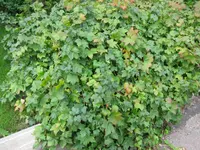
Bird Protection Netting

Drape lightweight bird netting over a simple frame around the shrubs just before the berries start to color so fruit is protected without weighing down or damaging branches.

Renewal Cane Management

After fruiting, remove the oldest, woodiest stems at ground level to encourage new cane growth, which improves air flow, reduces disease pressure, and maintains productive wood.

Targeted Disease Monitoring

Inspect foliage every 1–2 weeks for leaf spots, rust, or powdery mildew and remove affected leaves promptly, disposing of them in the trash rather than compost to limit disease spread when growing skunk currant.

Snow And Wind Support

In exposed sites, use low windbreaks or place shrubs behind sturdier plantings so canes are less likely to be broken by winter snow loads or strong prevailing winds.

Common Pests and Diseases

Currant aphids

This pest colonizes young shoots and the undersides of leaves, sucking sap and causing curling, distortion, and sticky honeydew deposits. Symptoms include reduced vigor and sooty mold growth on the honeydew in humid conditions.

Solution

Prune out heavily infested shoot tips and discard them, then hose down plants with a strong stream of water to dislodge remaining colonies. If needed, use an insecticidal soap or a light horticultural oil, applied thoroughly to leaf undersides in cool, calm weather, and encourage natural predators such as lady beetles by avoiding broad-spectrum insecticides nearby.

Currant sawfly

These insects defoliate plants by feeding on leaves, often skeletonizing foliage from the edges inward and leaving only veins. Damage can occur quickly in late spring and early summer, especially on young bushes.

Solution

Inspect plants frequently and hand-pick or shake off larvae into soapy water at the first sign of feeding. For heavier infestations, apply a targeted product containing spinosad in the evening to protect pollinators, and keep the area under shrubs free of fallen leaves where larvae may pupate.

Powdery mildew

This disease appears as white, powdery coating on leaves, young stems, and sometimes fruit, leading to distorted growth and premature leaf drop. Symptoms include reduced vigor and poorer fruit quality if infections are heavy.

Solution

Improve air circulation by pruning crowded stems and removing low, dense growth, and avoid overhead watering in the evening. Remove and discard infected leaves and shoots, and if disease pressure is high, use a sulfur or potassium bicarbonate fungicide labeled for currants, applied preventively when new growth emerges.

Anthracnose leaf spot

This disease causes small, dark leaf spots that can merge, leading to yellowing and early leaf drop, especially in wet weather. Symptoms include thinning foliage and reduced plant vigor over time.

Solution

Rake and destroy fallen leaves in autumn to reduce overwintering spores, and thin stems to enhance airflow and faster drying of foliage. In areas with a history of anthracnose, apply a copper-based fungicide at bud break and again after bloom, following label directions and avoiding applications during very hot weather.

Currant blister aphid

This pest creates raised, blister-like red or yellow patches on leaves by feeding inside leaf tissue, which can distort foliage but rarely kills the plant. Symptoms include puckered leaves with discolored blisters, mostly on early-season growth.

Solution

Prune and dispose of the most distorted leaves or shoot tips early in the season to remove colonies. Where damage is persistent, use insecticidal soap or horticultural oil just as leaves are unfolding, making sure to coat both sides of young leaves, and promote beneficial insects by keeping surrounding vegetation diverse and unsprayed.

Interesting Facts

Skunky leaf defense

When the leaves are crushed or bruised, they release a strong skunky odor, which likely helps deter browsing mammals and some insect herbivores.

Creeping ground-layer shrub

This species forms low, creeping colonies with stems that root where they touch the soil, creating a dense ground layer in cool, moist forest understories across northern North America.

Specialist moth relationship

The caterpillars of several Lepidoptera, including the currant spanworm Itame ribearia, use this plant as a larval host, tying its distribution to the life cycles of these specialist insects.

Botan icon

Did you know?

Ribes glandulosum is one of the few currant species that thrives naturally in cold, nutrient-poor, often acidic soils of boreal and subalpine habitats, helping stabilize forest floors where many other shrubs struggle to establish.

FAQs about skunk currant

This shrub forms clumps and can spread slowly by suckers, but it is not usually aggressive. Regular pruning of unwanted shoots and planting with defined borders keeps it contained in small or mixed shrub beds.

Grow Healthy Plants with Botan Care

Keep your plants happy and healthy with plant identification, disease detection, and easy care guidance.


Botan plant care app — identify plants on mobile

Explore More Plants