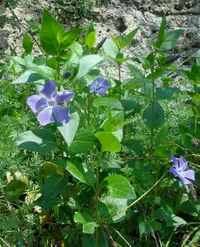
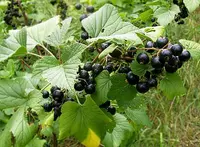
whiteflower currant Care (Ribes indecorum)

Also known as: White-flowering Currant
whiteflower currant

About whiteflower currant

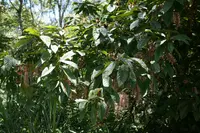
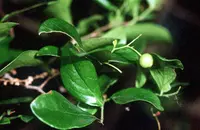
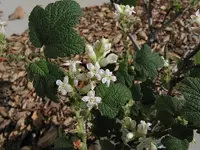
Whiteflower currant, Ribes indecorum, is a deciduous shrub native to coastal and inland areas of California and northern Baja California. It typically forms an open, branching shape with gray-green leaves and clusters of small, white, fragrant flowers in late winter to spring.

This species is valued in water-wise and habitat gardens because it tolerates dry conditions once established and attracts hummingbirds and pollinators. It adapts well to many garden soils as long as drainage is good.

In cultivation, it is considered a relatively low-maintenance shrub when planted in suitable climate zones. Understanding how to care for whiteflower currant mainly involves matching its preference for sun to light shade and avoiding heavy, waterlogged sites.

Main Plant Requirements

Care Difficulty

Easy Care

Light Preference

Full Sun

Water Requirements

Low Water

Temperature Preference

Cold Hardy

Hardiness Zone

7–10

Soil Texture

Sandy, Loamy, Rocky

Soil pH

Slightly acidic (6.5–7.0), Neutral (7.0)

Soil Drainage

Well-drained

Fertilization

Minimal (feed rarely)

Get Personalized Care Plan

Scan your plant to receive care tips personalized for your specific plant

Available on iOS and Android

How to Care for the whiteflower currant

Ribes indecorum thrives in bright, open sites with a balance of direct sun and light shade.

  • Provide 4–6 hours of direct sun daily, ideally morning sun with light afternoon shade in hotter regions to protect foliage from scorching.
  • Plant in a position with partial shade (such as dappled light under high trees) in areas with intense summer sun, especially inland and southern exposures.
  • Watch for weak, leggy stems and sparse flowering as signs of too little light, and for crisp, bleached leaves as a sign of excessive direct sun.

This shrub prefers infrequent, deep watering that allows the soil surface to dry between soakings.

  • Check soil before watering; in the root zone, let the top 3–5 cm feel dry, then water thoroughly so moisture reaches 15–20 cm deep.
  • Use well-drained, gritty or loamy soil; standing water, sour smell, and yellowing leaves indicate overwatering and poor drainage.
  • During the first 1–2 growing seasons, water more often in dry spells; once established, Ribes indecorum usually needs only occasional deep watering during prolonged drought.

This species is adapted to mild, Mediterranean-type climates with cool, wet winters and warm, dry summers.

  • Active growth is strongest around 55–75°F (13–24°C), with good performance in typical coastal and near-coastal conditions.
  • Mature plants tolerate brief drops to about 15–20°F (-9 to -6°C); young shrubs benefit from protection during hard freezes.
  • In hot inland areas above 90°F (32°C), provide afternoon shade and mulch to keep roots cooler, and avoid planting in reflective heat pockets near walls or pavement.

Humidity is not a major factor for Ribes indecorum, which adapts well to typical outdoor air conditions in its growing range.

Ribes indecorum prefers moderately fertile, well-drained soil that does not stay wet for long periods.

  • Aim for a loamy or sandy-loam texture with some organic matter to hold moisture without becoming compacted.
  • Ensure fast drainage by incorporating 20–30% coarse sand or fine gravel, especially in heavier native soils.
  • Keep pH slightly acidic to neutral, around 6.0–7.5, avoiding very alkaline or saline conditions that reduce nutrient uptake.
  • Improve aeration by mixing in composted bark or coarse compost, and avoid planting in low-lying spots where water gathers.

This species can be grown in containers, though long-term performance is usually better in the ground.

  • Choose a deep, heavy pot that resists tipping as the shrub gains height and lateral branch spread.
  • Use a sharply draining mix, such as 50% outdoor potting mix with 50% coarse sand or small pumice, to prevent root rot.
  • Elevate the container slightly on feet or bricks so drainage holes stay clear and excess water exits quickly after rain or irrigation.

This drought-tolerant native shrub needs minimal feeding, so focus on light, soil-building nutrition rather than frequent fertilizer applications.

  • Apply a thin layer of compost around the root zone in early spring to support steady growth and flowering.
  • If growth is poor, use a balanced slow-release fertilizer (around 8-8-8 to 10-10-10) once in spring only.
  • Use at half the label rate on established whiteflower currant to avoid lush, weak growth.
  • Do not feed during late fall and winter dormancy, as nutrients are not actively taken up.

Pruning Ribes indecorum focuses on maintaining an open structure and supporting flower and fruit production.

  • Prune just after flowering in late winter to early spring, before strong new growth hardens.
  • Remove dead, diseased, or crossing stems first, then thin crowded interior branches for better air flow.
  • Shorten overly long shoots to maintain a balanced, rounded shrub shape without heavy shearing.
  • Use clean, sharp bypass pruners and make cuts just above outward-facing buds or side branches.

This shrub is usually grown in the ground, so management focuses on transplanting young plants rather than frequent container repotting.

  • Transplant in late fall or early spring when the plant is dormant and soil is workable.
  • Shift on from containers when roots circle the pot or growth stalls despite good care, typically every 2–3 years for young plants.
  • Water deeply 1–2 days before moving Ribes indecorum, then slide the root ball out gently to limit breakage.
  • Replant at the same soil depth, firm soil around roots, water thoroughly, and shade lightly for 1–2 weeks to reduce stress.

Ribes indecorum is commonly propagated from cuttings or seed when expanding plantings or restoring native landscapes.

  • Take semi-ripe stem cuttings in late summer, 8–12 cm long, and root in a free-draining mix kept lightly moist.
  • Use a rooting hormone on cut bases and maintain bright, indirect light with moderate humidity for best strike rates.
  • Sow fresh seed in fall outdoors or use cold stratification at 35–40°F for 2–3 months before spring sowing.
  • Keep seed trays or cuttings cool, with good air flow and consistent but not saturated moisture to reduce rot.

This species is generally cold hardy in its native range and needs little intervention during winter in the ground.

  • Tolerates typical light frosts; in colder inland sites, add a 5–7 cm mulch layer to buffer root temperatures.
  • Keep mulch a few cm away from stems to prevent excess moisture against the bark.
  • Move container-grown plants to a sheltered spot near a wall or under cover to avoid repeated freeze–thaw on the root ball.

Care Tips

Use sacrificial branches

Leave 1–2 older, less-productive stems unpruned on the windward side so they act as wind buffers and frost catchers, protecting younger, more fruitful wood from late cold snaps.

Mulch for root cooling

Apply a 5–8 cm layer of coarse organic mulch in a wide ring, starting 5–8 cm away from the stems, to keep roots cool, suppress weeds, and reduce water stress during hot spells.

Timed fruit thinning

If branches are bending under heavy fruit set, remove about 20–30% of the smallest clusters in late spring so the plant puts energy into larger, better-flavored berries and reduces limb strain.

Targeted pest scouting

Inspect undersides of leaves and soft new growth every 7–10 days in spring for aphids and scale, focusing on sheltered inner branches, and wash off light infestations with a strong but controlled stream of water before using any insecticides.

Simple renewal tagging

When pruning in late winter, mark the youngest key fruiting canes with colored ties so it is easy next year to identify which 3–4 year-old stems to remove, streamlining long-term caring for whiteflower currant.

Common Pests and Diseases

Currant aphids

These insects feed on young shoots and leaf undersides, causing curling, distortion, and sticky honeydew that can attract sooty mold. This pest is most noticeable on new spring growth and can slow overall vigor.

Solution

Prune out and discard heavily infested shoot tips, then wash remaining foliage with a strong but controlled stream of water to dislodge aphids. If needed, apply insecticidal soap or a light horticultural oil, fully coating leaf undersides, and encourage natural predators by avoiding broad-spectrum insecticides nearby.

Currant fruitworm

This pest is the larval stage of a small moth that bores into flower clusters and developing berries, causing premature fruit drop and hollowed or webbed fruit. Damage can significantly reduce the ornamental and wildlife value of berries on whiteflower currant.

Solution

Inspect flowering clusters in spring and remove any webbed or damaged fruiting stems before larvae complete development. Rake and destroy fallen fruit, and if infestations are recurring, use a Bacillus thuringiensis (Bt) product timed to early larval activity according to local extension guidance.

Currant sawfly

These insects are greenish larvae that skeletonize leaves, often stripping foliage rapidly from the lower branches upward. Symptoms include windowed or ragged leaves and in severe cases almost complete defoliation by early summer.

Solution

Handpick larvae from smaller shrubs and drop them into soapy water, and prune out heavily infested small branches. For larger plants with repeated outbreaks, use insecticidal soap or spinosad directed to the undersides of leaves, treating early when larvae are still small and monitoring regularly during peak feeding periods.

Powdery mildew

This disease produces white, powdery fungal growth on leaves, young stems, and sometimes flower clusters, leading to leaf distortion and reduced vigor. Symptoms include dull, grayish patches that can spread in dry conditions with poor air movement.

Solution

Improve air circulation by thinning overcrowded stems and avoiding overhead watering, then remove and discard infected leaves and prunings. In sites with recurring problems, apply a sulfur or potassium bicarbonate fungicide labeled for currants at the first sign of infection, and avoid excessive nitrogen fertilization that promotes soft, mildew-prone growth.

Anthracnose leaf spot

This disease causes small, tan to brown spots on leaves that can merge and lead to early leaf drop, especially in cool, wet springs. Symptoms include thinning foliage from the lower canopy upward and reduced plant vigor over time.

Solution

Collect and dispose of fallen leaves to reduce overwintering spores, and prune to open the shrub for faster drying after rain. In locations with regular outbreaks, use a copper-based fungicide or other labeled product at bud break and repeat during extended wet weather, following local Ribes indecorum care guidelines for timing and dosage.

Interesting Facts

California chaparral specialist

This species is native to coastal southern California and northern Baja California, where it is naturally adapted to chaparral and coastal sage scrub with long, dry summers and mild, wet winters.

Winter–spring nectar source

It flowers in late winter to early spring, producing clusters of white, tubular blossoms that provide an early-season nectar and pollen source for hummingbirds, native bees, and other pollinators before many other shrubs bloom.

Drought-adapted shrub

Mature plants tolerate extended summer drought by entering partial dormancy and relying on a deep, wide-spreading root system developed during the cool, moist season.

Botan icon

Did you know?

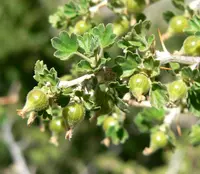
The berries of this species are eaten by a range of birds and small mammals, which disperse its seeds across steep slopes and rocky habitats, helping it colonize erosion-prone hillsides in its native range.

FAQs about whiteflower currant

Lack of flowering is usually linked to excessive shade, heavy pruning at the wrong time, or drought stress. Prune just after flowering, protect roots from severe dryness, and ensure it receives enough cool-season moisture to set buds.

Grow Healthy Plants with Botan Care

Keep your plants happy and healthy with plant identification, disease detection, and easy care guidance.

Botan plant care app — identify plants on mobile

Explore More Plants