Use Low Supports
Install low wires, branches, or log edging for stems to drape over, which keeps fruiting wood off wet soil and reduces slug and rot damage while still allowing the plant to trail naturally.

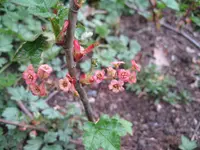
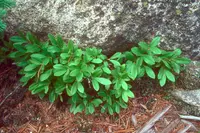
Trailing black currant (Ribes laxiflorum) is a low, spreading shrub native to moist forests and stream edges in western North America. It often forms loose, arching mats that weave through leaf litter and low vegetation.
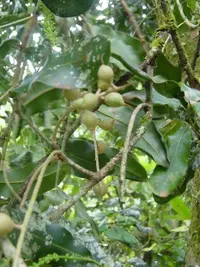
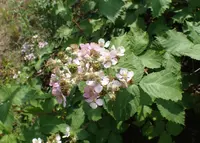
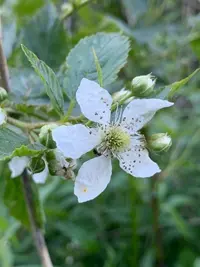
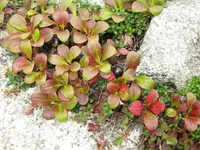
Plants carry small, maple-like leaves and modest clusters of pale flowers that mature into dark, berry-like fruits enjoyed by wildlife. Its naturally trailing habit makes it suitable for woodland gardens, slopes, or as an informal groundcover.
This species generally prefers cool conditions, partial shade, and consistently moist, well-drained soil. Once established, it is fairly resilient, so care for trailing black currant is manageable for gardeners who can provide a stable, not-too-dry site.

Care Difficulty
Moderate Care

Light Preference
Partial Shade

Water Requirements
Moderate Water

Temperature Preference
Cold Hardy

Hardiness Zone
4–8

Soil Texture
Loamy, Sandy, Organic-rich

Soil pH
Acidic (5.5–6.5), Slightly acidic (6.5–7.0)

Soil Drainage
Moist but well-drained

Fertilization
Minimal (feed rarely)
Scan your plant to receive care tips personalized for your specific plant
Available on iOS and Android
This woodland shrub prefers cool, bright conditions with gentle sun exposure.
This species prefers consistently moist, cool soil without staying waterlogged.
This shrub is naturally adapted to cool, temperate climates with cold winters.
Humidity plays a minor role for Ribes laxiflorum, which is naturally adapted to cool, moderately moist air.
Ribes laxiflorum grows best in loose, moist, well-drained soil with high organic content.
This species can be grown in containers outdoors if the pot is sized and drained to support a spreading shrub habit.
This native shrub needs only modest feeding, especially when grown in reasonably fertile soil.
Light, timely pruning keeps Ribes laxiflorum productive and well-shaped.
This shrub is usually grown in the ground, so focus on careful transplanting rather than frequent repotting.
Ribes laxiflorum is commonly propagated from cuttings and sometimes from seed for restoration or garden use.
This species is cold hardy in much of its range and usually needs minimal winter care in the ground.

Plant Health Check
Not sure what's wrong with your plant? Check your plant's health inside the app.
This shrub is native to moist forests and streambanks of the Pacific Northwest, especially in coastal and montane areas from Alaska south into the northwestern United States, where it thrives in cool, humid conditions and partial shade.
Its berries and foliage are a food source for birds, small mammals, and browsing deer, and the flowers provide nectar for early-season pollinators such as native bees and hummingbirds in its natural range.
Unlike some other currant species with strong resinous or skunky odors, this species typically has relatively mild-scented foliage, which can make it more acceptable in ornamental and restoration plantings near paths and recreation areas.

This species often appears early in forest succession after disturbance such as logging or fire, helping stabilize soil and providing shade and structure that can facilitate establishment of longer-lived trees and shrubs in recovering Pacific Northwest ecosystems.
This species spreads moderately by arching stems and suckering roots but is not usually aggressive. It forms loose colonies over time, especially in moist, fertile soil. Occasional pruning and root barrier edging keep its spread controlled.
Keep your plants happy and healthy with plant identification, disease detection, and easy care guidance.