chokecherry Care (Prunus virginiana)

Also known as: common chokecherry
chokecherry

About chokecherry

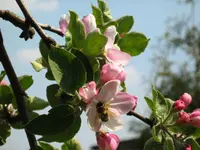
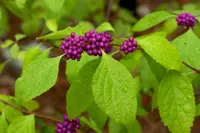
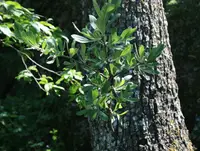
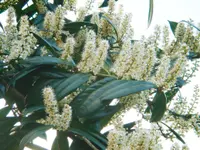
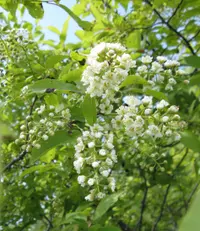
Chokecherry, Prunus virginiana, is a hardy deciduous shrub or small tree native to much of North America. It often forms thickets and produces clusters of white spring flowers. Later in the season it develops small dark red to nearly black cherries that are astringent when raw but valued for jellies and wildlife. The foliage turns attractive shades of yellow or red in autumn, adding seasonal interest in landscapes. It adapts to many soils, from sandy to clay, and is generally easy to establish if given sun and moderate moisture. Understanding how to care for chokecherry starts with providing well-drained soil and avoiding prolonged drought or waterlogging.

Main Plant Requirements

Care Difficulty

Easy Care

Light Preference

Full Sun

Water Requirements

Moderate Water

Temperature Preference

Cold Hardy

Hardiness Zone

2–7

Soil Texture

Sandy, Loamy, Clay

Soil pH

Acidic (5.5–6.5), Slightly acidic (6.5–7.0)

Soil Drainage

Moist but well-drained

Fertilization

Minimal (feed rarely)

Get Personalized Care Plan

Scan your plant to receive care tips personalized for your specific plant

Available on iOS and Android

How to Care for the chokecherry

Prunus virginiana grows best in open sites with ample direct light for strong flowering and fruiting.

  • Provide 6–8 hours of direct sun daily; full sun is ideal, but it tolerates light afternoon shade in hot climates.
  • Allow partial shade (3–5 hours sun) where summers are intense, accepting slightly reduced flowering on chokecherry hedges.
  • Avoid deep shade, which causes leggy, weak growth; in very bright, exposed sites, young plants may need temporary wind or light-filtering protection to reduce leaf scorch.

Prunus virginiana prefers evenly moist, well-drained soil once established.

  • Water newly planted trees when the top 3–5 cm of soil feels dry, focusing on deep soaking of the root zone rather than frequent light sprinkling.
  • Reduce watering frequency once established, using soil feel and leaf condition; limp, curling leaves suggest drought stress, while yellowing leaves and soft stems can indicate overwatering.
  • Plant in soil that drains freely; avoid standing water around the root collar to reduce root rot and other moisture-related problems.

This species is cold-hardy and adapted to a wide range of outdoor temperatures in temperate climates.

  • Optimal growth occurs around 60–80°F (16–27°C), with strong performance in cool to warm springs and summers.
  • Dormant plants tolerate winter lows near -40°F (-40°C) in many northern regions, making them suitable for very cold climates.
  • Mature trees handle summer heat up to about 90–95°F (32–35°C) if soil moisture is maintained; prolonged extreme heat with drought can cause leaf scorch and reduced fruit set.

Humidity is rarely a limiting factor for Prunus virginiana in typical outdoor conditions.

Prunus virginiana prefers moderately fertile, well-structured mineral soil that does not stay waterlogged.

  • Use a loamy or sandy loam soil with some organic matter to support root development and moisture balance.
  • Aim for slightly acidic to neutral pH around 6.0–7.5, avoiding very alkaline or salty sites that restrict nutrient uptake.
  • In heavy clay, improve structure and drainage by incorporating compost plus coarse sand or fine gravel into the top 20–30 cm.
  • Avoid spots where water pools after rain or where compacted subsoil prevents deep rooting and aeration.

This species can be grown in large outdoor containers for temporary or patio use, but long-term culture is challenging due to size and rooting needs.

  • Choose a deep, heavy container that resists tipping, as the shrub or small tree can become top-heavy in wind-exposed sites.
  • Use a mineral-based mix (loam-heavy potting soil blended with coarse bark and grit) to keep the root zone stable and well-aerated.
  • Raise the container on feet or pavers so drainage holes stay clear and excess water leaves quickly after rain or irrigation.

Prunus virginiana usually grows well in average soil but benefits from light, targeted feeding in poor or very lean sites.

  • Apply a balanced slow-release fertilizer (around 10-10-10) once in early spring at the drip line, following label rates.
  • Use a thin layer of compost over the root zone yearly to improve soil structure and nutrient availability.
  • For young chokecherry in low-fertility soil, repeat a light feeding in midsummer if growth is weak.
  • Avoid high-strength products and do not feed in late fall or winter to prevent tender, frost-prone growth.

Prunus virginiana responds well to thoughtful pruning that maintains structure, safety, and fruiting wood.

  • Carry out main pruning in late winter or very early spring before bud break to reduce stress and disease risk.
  • Remove dead, diseased, crossing, or storm-damaged branches first using clean, sharp bypass pruners or a pruning saw.
  • Thin crowded interior branches to improve light penetration and air flow, which supports healthier foliage and fruiting.
  • Shorten or selectively remove vigorous upright shoots to maintain desired height, shape, and strong scaffold branches.

Chokecherry is usually grown in the ground, so care focuses on choosing the right site and transplant timing rather than frequent repotting.

  • Transplant young trees in early spring or early fall when soil is moist and temperatures are mild, minimizing stress.
  • Look for signs such as circling roots, cracked pots, or very slow growth as indicators that container plants need a larger root space.
  • Move into a hole or container only 1–2 sizes larger, spreading roots gently and backfilling with native soil rather than rich mixes.
  • Water deeply after planting, then keep soil evenly moist for the first season while adding mulch to limit temperature and moisture swings.

Prunus virginiana is commonly propagated by seed and suckers, with cuttings used less often in home settings.

  • Collect ripe fruits in late summer or fall, clean the seeds, and cold stratify them 3–4 months at 34–41°F before spring sowing.
  • Leave selected root suckers and detach them with a sharp spade in early spring, keeping as many fibrous roots as possible.
  • Plant suckers or seedlings into well-drained soil, water thoroughly, and shade lightly until new growth shows establishment.
  • Semi-hardwood cuttings taken in midsummer may root under high humidity and bottom warmth, though success rates vary.

Prunus virginiana is cold hardy across much of North America and usually needs minimal winter care in the ground.

  • Apply a 5–8 cm mulch layer around the root zone in late fall, keeping it a few cm away from the trunk.
  • Avoid late-season nitrogen feeding so new shoots harden off before freezing weather.
  • For container-grown plants in very cold climates, move pots into an unheated garage or sheltered area to reduce root freeze risk.

Care Tips

Root sucker management

Inspect the area around the base each spring and cut root suckers flush with the soil using clean, sharp pruners to keep the plant as a single-trunk or controlled multi-stem specimen.

Trunk borer monitoring

From late spring to midsummer, check the trunk and main branches for sawdust-like frass and oozing sap, and promptly remove and destroy any affected twigs or branches to limit flatheaded or peach tree borer damage.

Bird netting strategy

If fruit quality is a priority, install bird netting over the canopy just as fruits start to blush red, securing it to the ground so birds cannot enter from below while still allowing light and air flow.

Targeted pollinator support

Encourage better flowering and fruit set by keeping a 1–2 m pesticide-free buffer around the plant and growing a mix of spring-blooming native perennials nearby to attract bees and other pollinators.

Winter rodent protection

In colder regions, place a white plastic tree guard or hardware cloth cylinder around the lower trunk in late fall to prevent rabbits and voles from girdling the bark over winter, removing it in spring once snow has melted to continue caring for chokecherry safely.

Common Pests and Diseases

Black knot

This disease causes rough, black, swollen galls on twigs and branches that gradually girdle and kill affected shoots.

Solution

Prune out infected twigs and branches at least 15–20 cm below visible galls during dry weather, then destroy the prunings. Improve air circulation by thinning crowded growth and avoid overhead watering; in orchard or hedge settings, a labeled fungicide program starting at bud break can help protect new growth.

Western cherry fruit fly

This pest lays eggs under the fruit skin; larvae tunnel through the pulp, causing soft, wormy, prematurely dropping fruit.

Solution

Collect and destroy infested or fallen fruit to break the life cycle, and use yellow sticky traps in early summer to monitor adult flies. Where fruit quality matters, apply a fruit-fly–specific bait or insecticide timed to adult emergence, following local extension guidance and all label directions.

Cherry leaf spot

This disease produces small purple to reddish spots on leaves that later turn brown and may cause early, heavy leaf drop.

Solution

Rake and remove fallen leaves to reduce overwintering spores, and avoid wetting foliage when irrigating. In high-pressure areas or for ornamental and fruiting specimens, apply a labeled fungicide starting at petal fall and repeating as recommended to protect new leaves.

Tent caterpillars

These insects build silken tents in branch crotches and feed in groups, defoliating shoots near the nest, especially in spring.

Solution

Physically remove and destroy tents by pruning out small infested twigs or pulling nests into a bag in the early morning or evening when larvae are inside. For heavier outbreaks, a biological control product containing Bacillus thuringiensis (Bt) applied to young foliage can reduce feeding with minimal impact on beneficial insects.

Aphids

These insects cluster on young stems and leaf undersides, sucking sap and causing curling, distortion, and sticky honeydew that can lead to sooty mold.

Solution

Spray colonies off with a firm stream of water and encourage natural predators such as lady beetles by avoiding broad-spectrum insecticides. On young or high-value plants, use horticultural soap or lightweight horticultural oil, making thorough contact with the insects and repeating as needed according to label directions.

Interesting Facts

Cyanogenic defense strategy

The leaves, bark, and seeds contain cyanogenic glycosides that can release hydrogen cyanide when chewed, which protects the plant from many herbivores but makes wilted foliage hazardous to livestock if consumed in quantity.

Keystone wildlife resource

Its small dark fruits are a key late-summer and autumn food source for many birds and mammals, including thrushes, waxwings, bears, and foxes, which in turn disperse the seeds over long distances.

Host for specialist insects

This species serves as a larval host plant for several native North American moths and butterflies, such as some sphinx moths and swallowtails, supporting local food webs and insect biodiversity.

Botan icon

Did you know?

Indigenous peoples across North America traditionally used chokecherries both as food, after careful processing to reduce toxicity, and as a component of pemmican, giving this species long-standing importance in traditional diets and cultural practices.

FAQs about chokecherry

Yellowing leaves often come from water stress, poor drainage, compacted soil, or nutrient deficiency, especially lack of nitrogen or iron. Check soil moisture, improve drainage, mulch lightly, and consider a soil test before applying a balanced fertilizer.

Grow Healthy Plants with Botan Care

Keep your plants happy and healthy with plant identification, disease detection, and easy care guidance.

Botan plant care app — identify plants on mobile

Explore More Plants