Deep container choice
Select a deep, heavy container with strong sidewalls and ample drainage holes to accommodate the taproot and prevent the tree from becoming top-heavy as it matures.

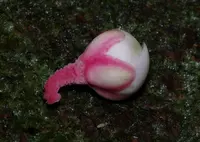
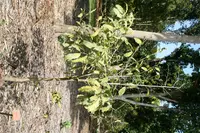
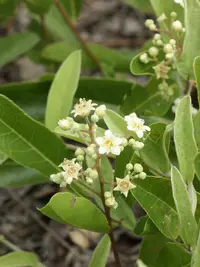
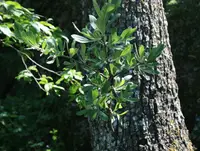
Lecythis idatimon is a tropical evergreen tree from northern South America, related to the Brazil nut. It forms a tall, straight trunk with a broad, rounded crown. Leaves are simple and glossy, and the tree produces showy flowers followed by large, woody fruits containing edible seeds.
In nature it grows in lowland rainforests, often near rivers, where conditions are warm and humid year-round. It is not an easy species for small gardens, but can be tried in very frost-free, tropical or subtropical climates. Understanding how to care for Lecythis idatimon starts with providing warmth, consistent moisture, and deep, well-drained soil.

Care Difficulty
Hard Care

Light Preference
Full Sun

Water Requirements
Regular Water

Temperature Preference
Tropical / Frost Sensitive

Hardiness Zone
11–12

Soil Texture
Sandy, Loamy, Organic-rich

Soil pH
Acidic (5.5–6.5), Slightly acidic (6.5–7.0)

Soil Drainage
Moist but well-drained

Fertilization
Minimal (feed rarely)
Scan your plant to receive care tips personalized for your specific plant
Available on iOS and Android
This tropical canopy tree prefers strong light but benefits from some protection from harsh sun in cultivation.
This species prefers consistently moist, well‑drained soil and does not tolerate prolonged drought or waterlogging.
This lowland tropical tree thrives in warm, stable climates without frost exposure.
This tropical tree benefits from moderately high, stable humidity when young or container-grown.
Lecythis idatimon grows best in deep, well-drained, organic-rich soil that stays slightly moist but never waterlogged.
This species can be grown in containers for its juvenile stages if the pot is managed for deep, stable root development.
Nutrient-rich but well-drained soil supports steady growth, and Lecythis idatimon responds to modest supplemental feeding in cultivation.
Structural pruning helps maintain a healthy, balanced crown and safe framework on Lecythis idatimon.
This tree is usually grown in the ground, so management focuses on careful transplanting of young Lecythis idatimon specimens.
New plants are usually raised from seeds, and successful propagation of Lecythis idatimon depends on fresh, viable material and warm conditions.
This tropical species is frost sensitive, so winter care matters where temperatures drop below 50°F.

Plant Health Check
Not sure what's wrong with your plant? Check your plant's health inside the app.
This species produces large, woody, pot-shaped capsules with a lid that pops off when the seeds are mature, a structure botanists call a pyxidium, similar in form to the better-known Brazil nut relative Lecythis zabucajo.
It naturally grows along rivers and seasonally flooded areas of lowland Amazonian forests, showing good tolerance to periodically saturated soils that would stress many other tree species.
The seeds are rich in oil and are eaten locally when fresh or roasted, although they are not traded or cultivated on a large commercial scale compared with other nut-bearing relatives.

The woody fruit of this species is so dense and durable that in some parts of its native range it has been used as a natural container, inspiring common names that refer to its resemblance to a small cooking pot or helmet.
Growth is slow to moderate. Young trees may add 20–40 cm per year in suitable tropical conditions, then slow as they mature. Adequate moisture, warmth, and fertile, deep soil are essential for consistent trunk and canopy development.
Keep your plants happy and healthy with plant identification, disease detection, and easy care guidance.