lecythis Care (Lecythis minor)

lecythis

About lecythis

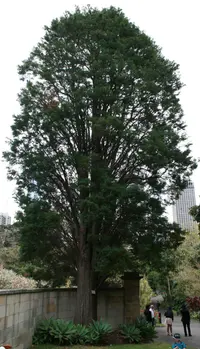
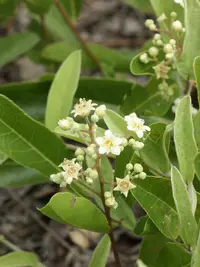
Lecythis minor is a small tropical tree from northern South America, related to the Brazil nut. It is sometimes grown as an ornamental in warm climates. The tree forms a rounded crown with simple, glossy leaves and showy, brush-like flowers, followed by hard, woody fruits typical of the Lecythidaceae family. In cultivation it grows slowly and prefers stable warmth, good light, and protection from cold and strong wind. It can be demanding outside its natural climate, so it suits experienced growers who want to care for lecythis with attention to its specific needs. Well-drained, organic-rich soil and consistent moisture support healthy growth.

Main Plant Requirements

Care Difficulty

Hard Care

Light Preference

Full Sun

Water Requirements

Regular Water

Temperature Preference

Tropical / Frost Sensitive

Hardiness Zone

11–12

Soil Texture

Sandy, Loamy, Organic-rich

Soil pH

Acidic (5.5–6.5), Slightly acidic (6.5–7.0)

Soil Drainage

Moist but well-drained

Fertilization

Minimal (feed rarely)

Get Personalized Care Plan

Scan your plant to receive care tips personalized for your specific plant

Available on iOS and Android

How to Care for the lecythis

This tropical tree needs strong light to develop a dense canopy and healthy flowering.

  • Provide 6–8 hours of direct sun daily, ideally with morning sun and light afternoon shade in hot climates to reduce leaf scorch.
  • Young lecythis trees benefit from light, shifting shade under taller plants, then can gradually be moved into fuller sun as bark and leaves toughen.
  • In areas with cloudy winters, choose the brightest, south- or west-facing position available to prevent weak, stretched growth and sparse foliage.

This species prefers steadily moist but not waterlogged soil around its deep root system.

  • Water when the top 3–5 cm of soil feel dry, using slow, deep soaking so moisture reaches the main root zone rather than just the surface.
  • In warm growing seasons, increase frequency if leaves droop or new growth slows, but ensure excess water drains freely to avoid root rot and sour odors.
  • During cooler months, extend intervals between waterings, watching for leaf yellowing or soft stems as signs of overwatering, and crisp leaf edges as early underwatering signals.

This lowland tropical tree needs warm, stable temperatures for reliable growth and flowering.

  • Aim for 70–86°F (21–30°C) during the growing season, which supports steady shoot and root development without heat stress in Lecythis minor.
  • Protect from temperatures below 45°F (7°C); short dips to 40°F (4°C) may be survived, but repeated cold slows growth and can damage young tissue.
  • Avoid exposure to hot, dry winds above 95°F (35°C); provide mulching and some afternoon shade in heatwaves to limit leaf scorch and moisture loss.

This species prefers moderately humid air but adapts if moisture is kept steady around the root zone.

  • Aim for 50–70% humidity; it tolerates brief dips lower but prolonged very dry air slows growth and leaf expansion.
  • Watch for leaf edge browning, curling, and stalled new shoots as signs that humidity is too low for lecythis.
  • Increase humidity with nearby water trays, grouped plants, or a room humidifier rather than misting leaves directly.

Lecythis minor prefers deep, structured soil that drains freely yet holds steady moisture.

  • Use a loamy mix combining roughly 40% composted organic matter, 40% mineral soil, and 20% coarse material such as perlite or grit for structure.
  • Ensure fast drainage while retaining moisture by blending coarse sand or fine bark into the mix to prevent compaction around the roots.
  • Target a slightly acidic to neutral pH, around 6.0–7.0, which supports nutrient uptake and stable growth.
  • Avoid heavy clay, waterlogged spots, or soil that forms a hard crust, since these reduce oxygen around the roots and increase rot risk.

This species can be grown in containers when given a deep, very stable pot with excellent drainage control.

  • Choose a tall, heavy container that resists tipping, as the woody framework becomes top‑heavy with age.
  • Select unglazed clay if extra evaporation is needed in wet climates, or thick plastic to retain moisture in hot, dry regions.
  • Raise the pot on feet or blocks so drainage holes stay clear and excess water leaves quickly after rain or irrigation.

This species grows slowly and often manages in lean soils, but light feeding improves container or nursery-grown Lecythis minor.

  • Use a balanced, slow-release fertilizer (for example 10-10-10) or well-aged compost mixed into the topsoil at the start of the growing season.
  • Feed once every 6–8 weeks during active spring–summer growth for potted plants; garden trees may need only 1 light application.
  • Apply at half the label rate for young trees to avoid root burn, and water thoroughly after feeding.
  • Stop fertilizing in late summer so growth hardens before cooler weather and avoid feeding in winter dormancy.

Lecythis minor benefits from light structural pruning rather than heavy cutting.

  • Carry out pruning at the end of winter or very early spring before strong new growth begins.
  • Remove dead, diseased, crossing, or storm-damaged branches first to maintain health and airflow.
  • Thin crowded interior twigs slightly to improve light penetration and develop a balanced canopy shape.
  • Use sharp, clean bypass pruners or a pruning saw, making smooth cuts just outside the branch collar.

This tree is usually planted in the ground, so focus on careful transplanting of young specimens rather than frequent repotting.

  • Transplant in late winter to early spring when growth is slower and temperatures are mild.
  • Look for roots circling the container, water running straight through, or stalled top growth as signals the plant has outgrown its pot.
  • Move into a container or planting hole only 1–2 sizes larger, teasing apart circling roots gently to reduce future girdling.
  • Water deeply after planting, shade from strong sun for 1–2 weeks, and keep soil evenly moist to limit transplant shock.

Propagation of Lecythis minor is usually done from seed and requires patience and warm conditions.

  • Sow fresh seeds in late spring in a deep pot with a free-draining, slightly acidic mix.
  • Scarify thick seed coats lightly with sandpaper, then soak in lukewarm water for 12–24 hours to improve germination.
  • Maintain 75–85°F soil temperature, high humidity, and bright, indirect light until seedlings emerge.
  • Keep the medium just moist, not waterlogged, and transplant seedlings carefully once roots fill the starter cell.

This tropical tree is frost sensitive and needs clear winter protection in climates cooler than its native range.

  • Avoid exposure below about 40°F; sustained colder temperatures can damage foliage and young wood.
  • Mulch the root zone with 5–8 cm of organic material, keeping it slightly away from the trunk base.
  • Grow Lecythis minor in large containers in marginal climates and move indoors or to a heated greenhouse before the first frost.

Care Tips

Deep container choice

Use a tall, heavy container with ample depth to accommodate the developing taproot and prevent the plant from toppling as the woody stem thickens.

Gradual light hardening

When moving a plant from shade to brighter exposure, increase light levels over 10–14 days to avoid sunscald on the relatively thin young bark and leaves.

Root collar protection

Keep the root collar (where stem meets soil) slightly raised and free of mulch or debris to reduce risk of fungal cankers and rot on the lower trunk.

Preventive pest scouting

Inspect new flushes of growth and leaf undersides every 1–2 weeks for scale and mites, and treat early with a horticultural oil spray if small clusters are detected.

Cool-season slowdown

In cooler months with reduced growth, allow slightly longer intervals between any structural work such as wiring or staking adjustments, so bark is not damaged while lignifying.

Common Pests and Diseases

Mirid leaf bugs

This pest feeds on young shoots, flower buds, and developing fruits, causing shriveling, scarring, and premature fruit drop.

Solution

Prune and destroy heavily damaged shoots and affected young fruits, then monitor flushes of new growth and use targeted insecticidal soap or neem oil on nymphs; avoid excessive nitrogen fertilization, which encourages tender growth that attracts mirids.

Fruit-boring beetles

These insects lay eggs on developing fruits, and the larvae bore inside, leading to internal rotting, premature drop, and poor seed development.

Solution

Collect and discard all fallen and visibly bored fruits, use fine mesh bags on selected fruits if practical, and reduce nearby decaying plant material that shelters adult beetles to lower pressure when trying to grow Lecythis minor for seeds or nuts.

Anthracnose

This disease causes dark, sunken lesions on young leaves, twigs, and sometimes fruits, leading to leaf distortion and dieback of tender tips in humid conditions.

Solution

Remove and dispose of infected leaves and twig tips, improve canopy airflow through light pruning, avoid overhead watering, and apply a copper-based fungicide at the start of warm, wet periods if repeated infections occur.

Sooty mold

This disease appears as a black, soot-like coating on leaves and twigs that develops on honeydew secreted by sap-sucking insects such as scale or aphids, reducing photosynthesis and making foliage look dull.

Solution

Control the underlying sap-sucking insects with horticultural oil or insecticidal soap, then gently wipe or hose off affected leaves; maintaining good airflow and avoiding overcrowding helps reduce persistent honeydew buildup.

Interesting Facts

Specialized bee pollination

Flowers are mainly pollinated by medium to large bees, which must push through the stiff ring of stamens to reach nectar, ensuring effective transfer of pollen between trees.

Amazonian white-sand specialist

Lecythis minor naturally occurs in nutrient-poor, often sandy or lateritic soils of northern South America, showing clear adaptation to low-fertility, well-drained habitats.

Woody capsule fruits

The species produces hard, woody capsules that open by a lid-like top, a trait typical for the Brazil nut family, exposing seeds that are taken and dispersed by animals.

FAQs about lecythis

Growth is moderate. Young trees usually add around 20–40 cm per year under warm, frost-free, well-watered conditions. In cooler or drier climates, growth slows significantly, and container-grown plants often remain smaller and slower.

Grow Healthy Plants with Botan Care

Keep your plants happy and healthy with plant identification, disease detection, and easy care guidance.

Botan plant care app — identify plants on mobile

Explore More Plants