Encourage Groundcover Spread
Lightly pin down the longest, flexible stems with landscape staples against bare sand or soil to encourage additional rooting along the stems and create a denser, more erosion-resistant mat over time.

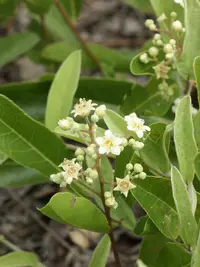
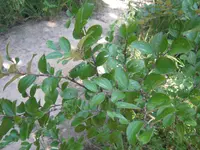
Gopher apple, Geobalanus oblongifolius, is a low, woody groundcover shrub native to sandy habitats in the southeastern United States. It forms dense mats with small, tough leaves and inconspicuous flowers that give way to fleshy, yellowish to reddish fruits.
This species is adapted to dry, nutrient-poor, well-drained soils and strong sun, which makes it naturally drought tolerant once established. Its slow, spreading growth and deep root system help stabilize sandy sites but can make transplanting more challenging.
Gardeners who care for gopher apple usually value it for erosion control, wildlife support, and very low ongoing maintenance in appropriate climates, provided it receives full sun and sharply drained soil.

Care Difficulty
Moderate Care

Light Preference
Full Sun

Water Requirements
Low Water

Temperature Preference
Warm Climate

Hardiness Zone
8–11

Soil Texture
Sandy, Loamy, Rocky

Soil pH
Acidic (5.5–6.5), Slightly acidic (6.5–7.0)

Soil Drainage
Well-drained

Fertilization
Minimal (feed rarely)
Scan your plant to receive care tips personalized for your specific plant
Available on iOS and Android
This low, coastal shrub thrives in bright, open sites with strong sun exposure.
This drought-adapted shrub prefers dry, sandy soils and infrequent watering once established.
This species is adapted to warm, coastal climates and does best without hard freezes.
Humidity is not a major factor for this drought-adapted shrub in typical home or outdoor conditions.
This species prefers very well-drained, sandy soil that mimics its native scrub and coastal habitats.
This shrub is generally unsuitable for long-term container growing due to its deep, spreading root system and drought-adapted nature.
This low-nutrient-adapted shrub needs minimal fertilization when grown in typical garden soils.
Geobalanus oblongifolius needs only light pruning to maintain health and a low, compact form.
This species is usually grown in the ground, so focus on careful transplanting rather than frequent repotting.
Geobalanus oblongifolius is most reliably propagated from seed, though this process can be slow and variable.
This shrub is naturally cold hardy in its native range and typically needs little special winter care outdoors.

Plant Health Check
Not sure what's wrong with your plant? Check your plant's health inside the app.
This low, sprawling shrub is native to dry, sandy habitats of the southeastern US coastal plain, especially scrub and sandhill ecosystems where few woody species can tolerate the nutrient-poor, shifting soils.
Its fleshy fruits are an important seasonal food source for gopher tortoises and other wildlife, and the seeds are often dispersed after passing through these animals’ digestive systems.
The plant forms a woody underground stem system that helps it resprout after fire or physical damage, a useful adaptation in frequently burned pine and scrub landscapes.

Gopher apple is considered an indicator species of intact, well-drained scrub and sandhill habitats in parts of Florida, so its presence often signals relatively undisturbed native plant communities.
This species is a low, woody evergreen shrub in warm climates, holding its small, leathery leaves year-round. In marginal zones it may thin or show some winter burn but usually retains foliage rather than going fully dormant.
Keep your plants happy and healthy with plant identification, disease detection, and easy care guidance.