Pindar Care (Arachis hypogaea)

Also known as: peanut, Groundnut, Monkey Nut, Earth Nut
Pindar

About Pindar

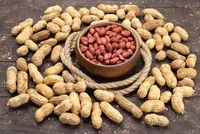
Pindar, better known as the peanut plant, is a low-growing annual legume that forms a loose, spreading mound of leafy stems. After yellow, pea-like flowers are pollinated, the fertilized pegs bend down and the pods develop underground, which is a distinctive trait of Arachis hypogaea.

This species originates from South America but is now widely grown in warm, frost-free regions worldwide for its edible seeds. It is generally straightforward to grow where summers are long and warm, which makes how to care for Pindar mainly a matter of providing enough heat and time to mature.

It prefers full sun, loose sandy or loamy soil, and steady but not excessive moisture, conditions that support healthy root and pod development.


Main Plant Requirements

Care Difficulty

Moderate Care

Light Preference

Full Sun

Water Requirements

Moderate Water

Temperature Preference

Tropical / Frost Sensitive

Hardiness Zone

8–12

Soil Texture

Sandy, Loamy, Organic-rich

Soil pH

Acidic (5.5–6.5), Slightly acidic (6.5–7.0)

Soil Drainage

Well-drained

Fertilization

Light (every 4–6 weeks)

Get Personalized Care Plan

Scan your plant to receive care tips personalized for your specific plant

Available on iOS and Android

How to Care for the Pindar

Arachis hypogaea needs strong, direct sun to produce healthy leaves and pods.

  • Provide 6–8 hours of direct sun daily; full sun is best, especially morning sun with some protection from harsh late-afternoon rays.
  • The plant tolerates light partial shade (around 4–5 hours direct sun) but pod yields and flowering may decline.
  • In hot summers, use light mulching or nearby taller crops to reduce leaf scorch, while in early spring and late season ensure fields are not shaded by structures.

Peanut plants require steady moisture in well-drained soil to support flowering and pod formation.

  • Water when the top 3–5 cm of soil feels dry, aiming for consistently moist but never saturated conditions, especially during flowering and pegging.
  • Use loose, well-draining soil or raised beds so Arachis hypogaea roots and pods do not sit in standing water, which encourages rot and yellowing foliage.
  • Reduce watering late in the season as leaves yellow naturally, but avoid severe wilting, crisp leaf edges, and stalled growth, which indicate underwatering.

This warm-season crop thrives in consistently warm conditions without exposure to frost.

  • Maintain average growing temperatures around 70–90°F (21–32°C) for best germination, growth, and pod development.
  • Protect plants from temperatures below 55°F (13°C); growth slows near this point, and light frost around 32°F (0°C) can quickly kill foliage.
  • Pindar tolerates short hot spells up to about 95–100°F (35–38°C) if soil moisture is stable, but prolonged heat with drought stress reduces flowering and yield.

Humidity is rarely a limiting factor for Arachis hypogaea when grown outdoors in typical temperate or warm climates.

Arachis hypogaea needs loose, well-aerated soil so pods can form underground without rotting or deforming.

  • Use a light sandy or sandy-loam mix with high organic matter, such as 50–60% garden loam plus 40–50% composted material.
  • Ensure rapid drainage by incorporating coarse sand or fine grit so water does not pool around developing pegs and pods.
  • Aim for slightly acidic to neutral pH, roughly 6.0–7.0, and avoid strongly alkaline or salty substrates.
  • Break up compaction before planting and avoid heavy clay or stony soils that obstruct peg penetration and reduce yield.

This species can be grown in containers if the pot is deep and wide enough for underground pod development.
  • Choose a container at least 30–40 cm deep to allow pegs and pods to develop without crowding at the base.
  • Use a broad, stable pot shape so the spreading foliage does not tip the container in wind or when the substrate is light.
  • Select a porous material like unglazed terracotta to help excess moisture evaporate faster in rainy or humid periods.

This annual legume benefits from modest, targeted feeding rather than heavy fertilizer applications.

  • Use a light application of compost or a balanced, low-strength NPK fertilizer (for example 5-5-5) mixed into the soil before sowing Arachis hypogaea.
  • During the active growing season, apply a diluted balanced liquid fertilizer at 1/2 strength every 4–6 weeks if soil is poor.
  • Avoid high-nitrogen products, which push leafy growth at the expense of pod and seed development in Pindar.
  • Stop feeding 3–4 weeks before expected harvest and do not fertilize during any cool, dormant-like period.

Arachis hypogaea needs only minimal pruning, mainly to remove unhealthy growth and keep plants tidy.

  • Check plants during the growing season and remove dead, diseased, or damaged stems with clean scissors or small pruners.
  • Trim any severely crowded or sprawling stems only where they hinder airflow or access, keeping the natural low, spreading habit.
  • Disinfect cutting tools before and after use to limit disease spread in dense plantings.
  • Avoid heavy cutting, since flowers and pegs form on young shoots that later develop pods underground.

Peanut is usually grown as an annual in the ground, so transplanting focuses on timing and gentle handling of young plants.

  • Start seeds in biodegradable pots if transplanting, so roots are disturbed as little as possible.
  • Move seedlings outdoors after frost risk passes and soil warms to at least 65°F, when plants have 2–3 true leaves.
  • Transplant into loose, sandy, well-drained soil; avoid compacting the root zone so pegs can penetrate and form pods.
  • Water thoroughly after transplanting, then keep soil evenly moist but not waterlogged to reduce transplant shock.

Peanut is most commonly propagated from seeds, which are actually the raw, untreated nuts removed from their shells.

  • Sow viable, unsalted seeds in spring once soil reaches 65–70°F for reliable germination.
  • Plant seeds 3–5 cm deep in loose, sandy soil, spacing 15–20 cm apart for good airflow and peg development.
  • Keep the seed zone evenly moist but not soggy until sprouts appear, then reduce watering slightly to limit rot.
  • For indoor starts, provide bright light and warm temperatures, then harden seedlings off before planting outside.

Peanut is a warm-season annual and does not tolerate frost, so plants are usually finished and removed by winter in temperate climates.

  • Harvest all mature plants before the first expected frost, allowing pods to dry after lifting.
  • In mild climates, leave light mulch on harvested beds to protect soil structure over winter.
  • Container-grown plants in cooler regions are discarded after harvest; starting new plants next warm season is more reliable.

Care Tips

Staggered Succession Sowing

Sow small batches 10–14 days apart at the start of the warm season to spread out flowering and peg formation, which makes harvest timing easier and reduces the risk of losing the whole crop to a single heatwave or storm event.

Encourage Peg Penetration

When flowers fade and pegs start to bend down, keep the top 5–8 cm of soil loose and lightly mounded so the pegs can enter the soil easily and develop full pods rather than aborting at the surface.

Midseason Hilling Technique

Once plants are 15–20 cm tall, gently hill soil 5–8 cm up around the base of each plant, similar to potatoes, to give more depth for pegs and improve pod yield.

Targeted Calcium Topdressing

At early flowering, apply a light band of gypsum around the root zone without mixing it in; this supplies soluble calcium directly where pegs and young pods develop, reducing empty or poorly filled shells.

Prevent Harvest Loss

About 7–10 days before lifting plants, reduce irrigation and test a few pods; harvest when inner shells show a clear network pattern and seeds are fully formed but before pods become brittle and shatter during pulling.

Common Pests and Diseases

Lesser cornstalk borer

This pest is a small caterpillar that bores into peanut stems at or just below the soil line, causing wilting and plant death in patches. Symptoms include lodged, stunted plants that break easily at the crown.

Solution

Use crop rotation and avoid planting peanuts in very sandy, dry soils where this pest thrives, and keep soil moisture more uniform through timely irrigation. Destroy crop residues after harvest and, for severe outdoor infestations, apply a labeled soil-applied insecticide targeting larvae around the plant base according to local extension guidance.

Thrips

These insects are tiny, slender, and feed by rasping young leaves, often causing leaf distortion, silvery patches, or bronzing and transmitting tomato spotted wilt virus in peanuts. Symptoms include stunted plants with misshapen new growth, especially early in the season.

Solution

Monitor young plants closely and reduce weedy hosts around peanut fields or beds to lower thrips populations and virus pressure. In outdoor production, use resistant or tolerant varieties where available and apply an appropriate systemic insecticide to seedlings only when threshold levels are reached as recommended by local extension services.

Early leaf spot

This disease is a fungal infection caused by Passalora arachidicola that produces small brown spots with yellow halos on older leaves. Symptoms include premature defoliation, weakened plants, and reduced yield if not managed.

Solution

Rotate out of peanuts and other legumes for at least 2–3 years and avoid overhead irrigation that keeps foliage wet for long periods. Collect and destroy infected plant debris after harvest and follow a preventive fungicide spray program with labeled products when growing peanuts outdoors in regions where this disease is common.

Late leaf spot

This disease is caused by the fungus Nothopassalora personata and typically appears later in the season as dark brown to black spots, often with more severe defoliation than early leaf spot. Symptoms include rapid leaf drop from the lower canopy upward, exposing pods and reducing yield.

Solution

Use crop rotation, resistant cultivars if available, and practices that promote quick leaf drying such as proper row spacing and morning irrigation. Apply protective fungicides on a schedule starting before symptoms are severe, adjusting intervals based on local disease risk forecasts and label directions.

Southern stem rot (white mold)

This disease, caused by the fungus Sclerotium rolfsii, produces white fungal growth and mustard seed–like sclerotia at the stem base, leading to plant wilting and death in patches. Symptoms include bleached stems near the soil surface and plants that pull up easily due to decayed tissue.

Solution

Promote air movement and faster soil and stem drying by using wider row spacing and avoiding excessive plant density. Rotate with non-host crops, bury or remove infected residue after harvest, and in high-risk outdoor plantings, use labeled soil- or foliar-applied fungicides directed at the crown zone when conditions favor disease development.

Interesting Facts

Self-burying flowers

After pollination, the plant forms a special structure called a peg that elongates and bends downward, pushing the developing ovary into the soil where the pods mature underground.

Nitrogen-fixing partnership

This species forms nodules on its roots that house Rhizobium bacteria, which convert atmospheric nitrogen into forms the plant can use, improving soil fertility for subsequent crops.

Genetic hybrid origin

Cultivated peanut is an allotetraploid, meaning it arose from a natural hybridization and chromosome doubling event between two wild diploid species, Arachis duranensis and Arachis ipaensis.

Botan icon

Did you know?

The peanut was domesticated in South America at least 3,500 years ago and was later transported by Spanish and Portuguese traders to Africa and Asia, where it became a major oil and protein crop central to many regional cuisines.

FAQs about Pindar

Yellowing leaves often come from overwatering, poor drainage, or nutrient imbalance, especially nitrogen deficiency. Check soil moisture, ensure excess water drains freely, and use a balanced fertilizer. Root rot and natural aging of lower leaves can also cause yellowing.

Grow Healthy Plants with Botan Care

Keep your plants happy and healthy with plant identification, disease detection, and easy care guidance.

Botan plant care app — identify plants on mobile

Explore More Plants