Install sturdy supports
Set up strong posts and tensioned wires before planting so canes can be tied in horizontal or fan shapes, which improves light penetration, air flow, and fruit quality.

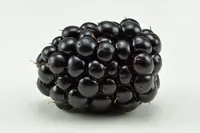
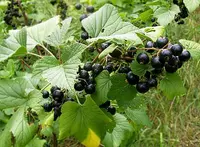
Shrubby blackberry (Rubus fruticosus) is a deciduous bramble known for arching, thorny canes and clusters of white to pale pink flowers followed by dark edible berries. It typically forms dense thickets and can spread vigorously by canes that root where they touch the ground and by bird-dispersed seeds.
In nature, it grows in hedgerows, woodland edges, disturbed sites, and sunny slopes across much of Europe and in many introduced regions, including parts of North America. Its toughness, fast growth, and tolerance of poor soils make it relatively easy to establish but sometimes challenging to contain, so learning how to care for shrubby blackberry includes planning enough space and managing its spread.
It generally prefers full sun, moderate moisture, and well-drained, slightly acidic to neutral soil.

Care Difficulty
Easy Care

Light Preference
Full Sun

Water Requirements
Regular Water

Temperature Preference
Cold Hardy

Hardiness Zone
5–9

Soil Texture
Sandy, Loamy, Clay

Soil pH
Acidic (5.5–6.5), Slightly acidic (6.5–7.0)

Soil Drainage
Moist but well-drained

Fertilization
Minimal (feed rarely)
Scan your plant to receive care tips personalized for your specific plant
Available on iOS and Android
Rubus fruticosus fruits best with ample direct sun and some protection from harsh extremes.
Rubus fruticosus needs consistent soil moisture without prolonged waterlogging.
Blackberry growth responds strongly to seasonal temperature patterns.
Humidity is not a major factor for outdoor Rubus fruticosus, but extremely dry air can slightly affect growth and berry quality.
Rubus fruticosus prefers deep, loose, moisture-retentive but free-draining soil for strong cane growth and reliable fruiting.
This species can be grown in containers if the pot is large and stable enough to support its vigorous, arching canes.
Blackberry plants respond well to moderate feeding but do not need heavy fertilization.
Pruning Rubus fruticosus is essential for high yields and manageable growth.
Garden-grown blackberry is usually transplanted outdoors rather than kept long term in containers.
Rubus fruticosus is commonly propagated vegetatively for consistent fruit quality.
Most established blackberry plants are cold hardy and require only modest winter care in many regions.

Plant Health Check
Not sure what's wrong with your plant? Check your plant's health inside the app.
Plants historically called Rubus fruticosus actually represent a complex of many very similar apomictic species that reproduce mainly through seeds formed without fertilization. This makes the group taxonomically difficult, because populations can be genetically distinct while looking almost identical.
The sharp structures on the stems are technically prickles, which are outgrowths of the epidermis, not true thorns that originate from stems. These prickles help the plant climb over other vegetation and deter many herbivores.
Its black fruits are a key food source for many bird species, which eat the berries and later disperse the seeds over long distances. This bird-mediated dispersal strongly contributes to its rapid spread and invasive behavior in some regions.

In parts of northwestern Europe, Rubus fruticosus and its close relatives are studied in a specialized botanical field called batology, because the sheer number of microspecies in this complex demands dedicated taxonomic research to describe and classify them accurately.
This species spreads vigorously by arching canes and underground runners. Without pruning and root barrier control, it can form dense thickets that outcompete nearby plants and become difficult to remove in gardens and natural areas.
Keep your plants happy and healthy with plant identification, disease detection, and easy care guidance.